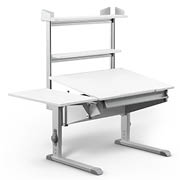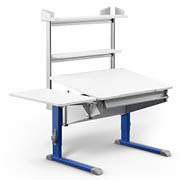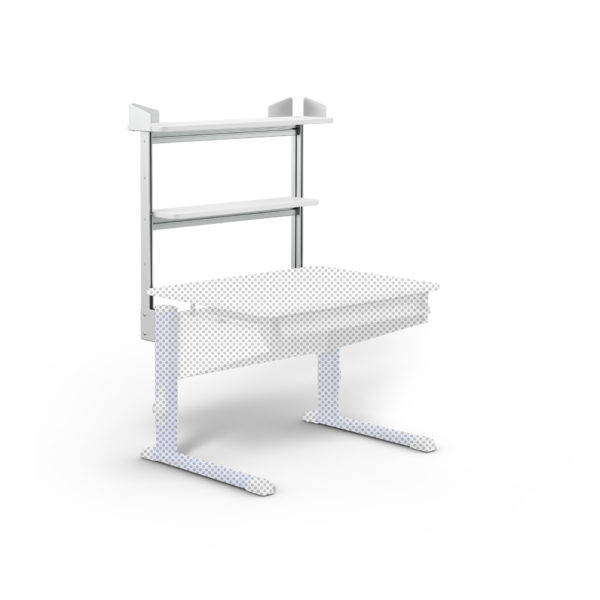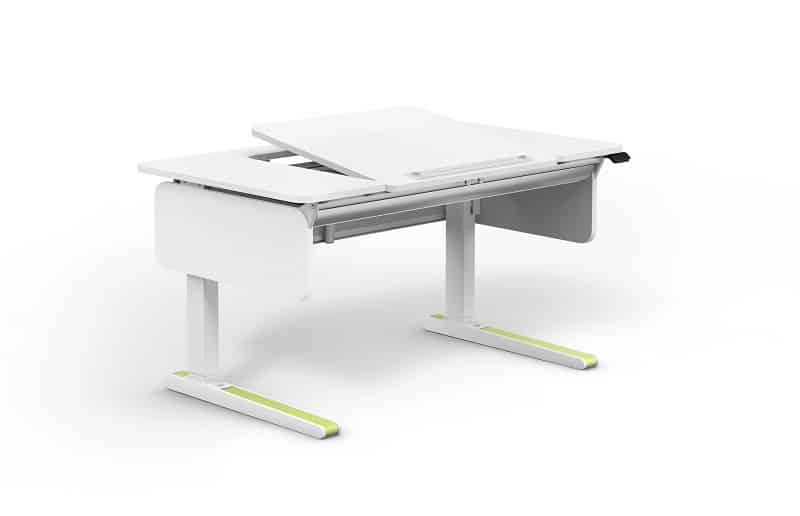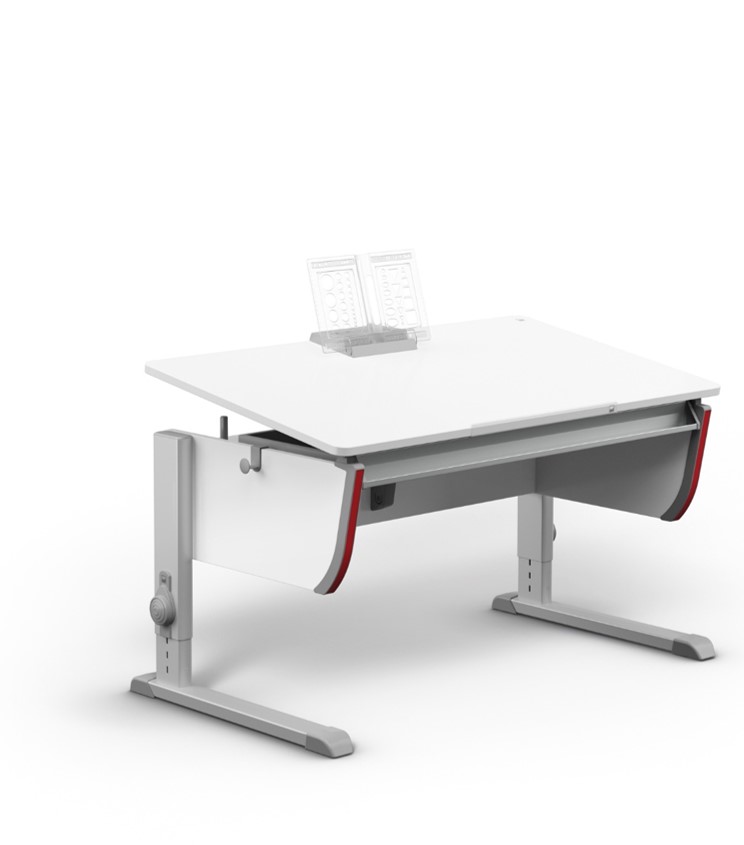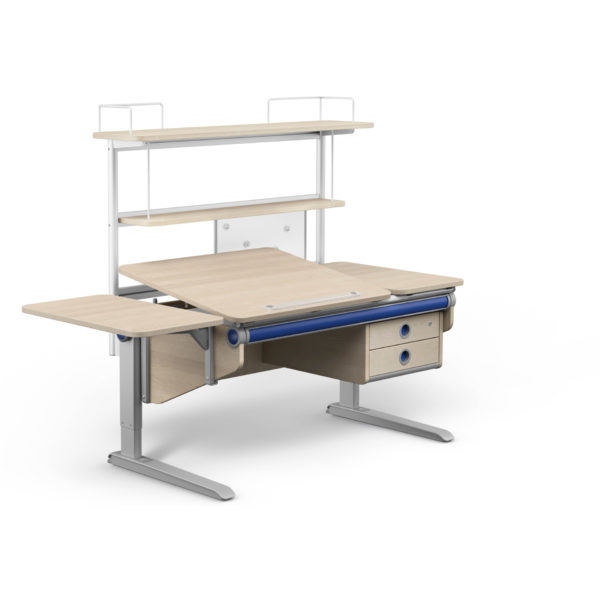
What different types of inclined children's desks are there?
Healthier learning thanks to tilting desk table top
Why does a children's desk need to be tiltable?
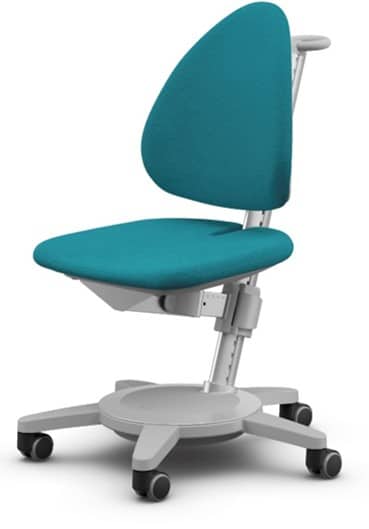
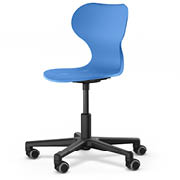
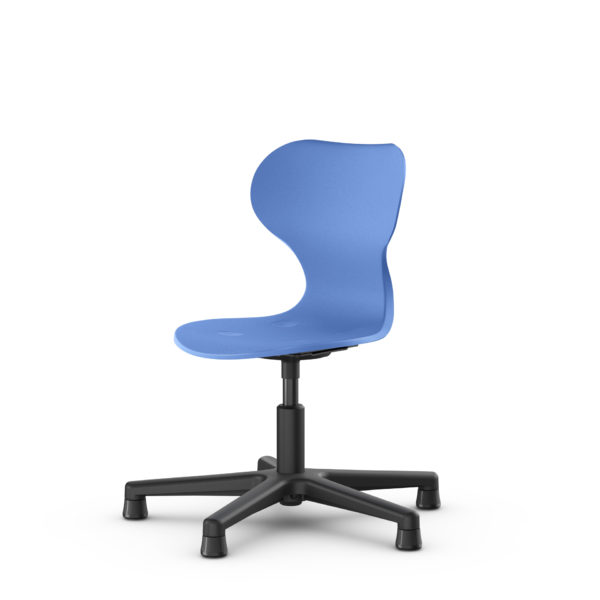
It is not only the increasingly long periods of sitting every day that put strain on your child's body and can lead to muscle tension, back problems, headaches, and poor performance. As a rule, it is incorrect sitting posture. Ergonomic sitting at a desk, on the other hand, means relieving the body as much as possible and not forcing it into an uncomfortable position for hours on end. The secret to minimizing the negative consequences of incorrect sitting is active sitting. Active sitting primarily means varying your posture while sitting. It is not enough moll simply moll an ergonomically designed children's swivel chair such as those from moll . Children's desks should also support dynamic sitting.
Our inclined plates
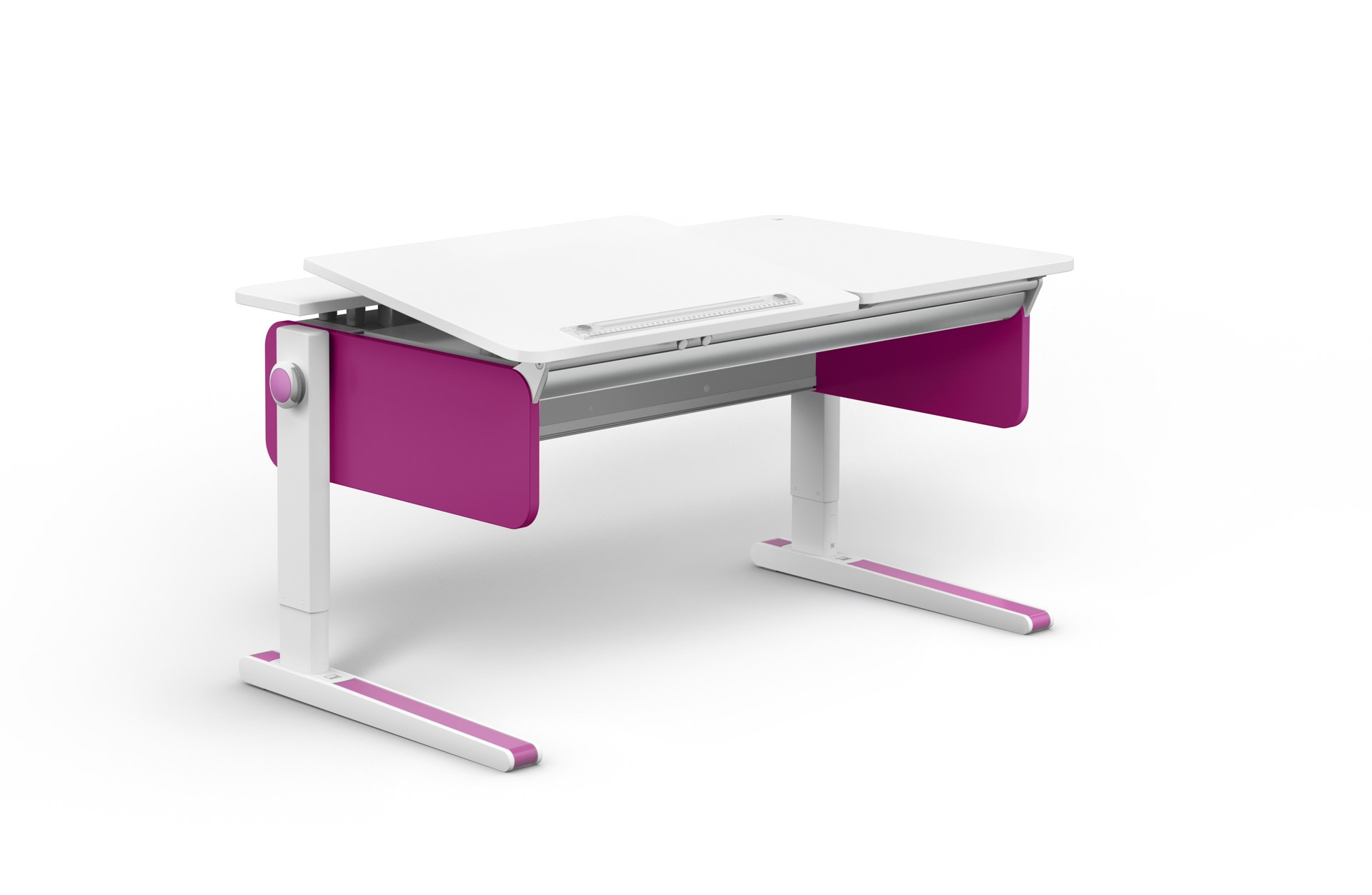
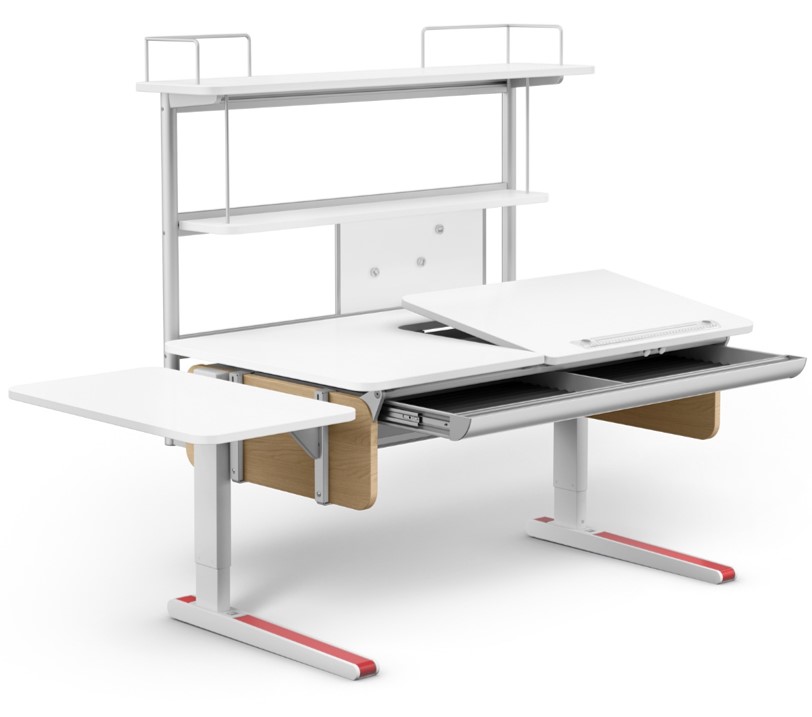
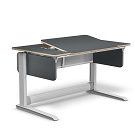
moll children's desks moll correct sitting at the desk, among other things, thanks to their tilt function. This easy-to-use and safe feature also provides the best basis for ideal learning at the children's desk. At the same time, the tilt function on moll counteracts postural problems, headaches, and back pain in your child and promotes a healthy and upright posture. The tilt function on moll prevents your child from having to lean too far over the table when reading, writing, or learning.
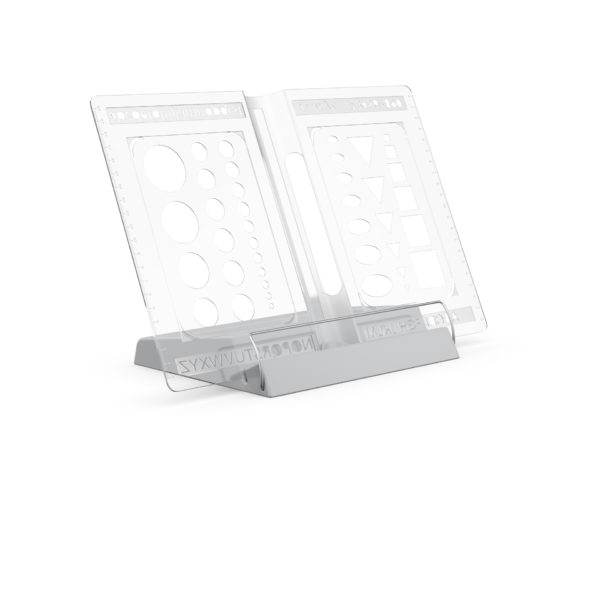
Depending on the product, moll offer different levels of comfort when adjusting the angle of the tilting tabletop. To prevent anything from slipping, the Winners and Champions models always come with a magnetic anti-slip device that can also be used as a ruler and magnifying glass. With Joker, Bandit Sprinter , a simple anti-slip device Sprinter clipped onto the edge of the table.
Optimal posture with the recommended angle
The moll takes into account that different tasks require different angles of inclination. It is not enough to simply tilt the desk at any angle. We distinguish between the following angles for optimal posture when performing these tasks:
- 0-5° for painting and related activities
- 8-12° for paperwork
- 15-20° for reading
Good to know: moll offer various ways of tilting the desk top. These range from stepless adjustment by hand or cable pull to simple grid adjustment. In all cases, the tilt can be adjusted easily and without complications. The tilt function on moll allows you to provide your child with an ideal and, above all, healthy and ergonomic place to learn.