Exercises for first graders: exercise books and e-learning
How does a schoolchild learn properly?
Learning needs to be learned - and with the support of parents, a child can develop the right learning strategies early on without losing the fun. Varied methods and the integration of what has been learned into everyday life make learning exciting and at the same time encourage curiosity. Parents can help to introduce fixed learning times that are not perceived as coercion but as a positive routine. Motivation, praise and arousing interest are the keys to strengthening the joy of independent learning.
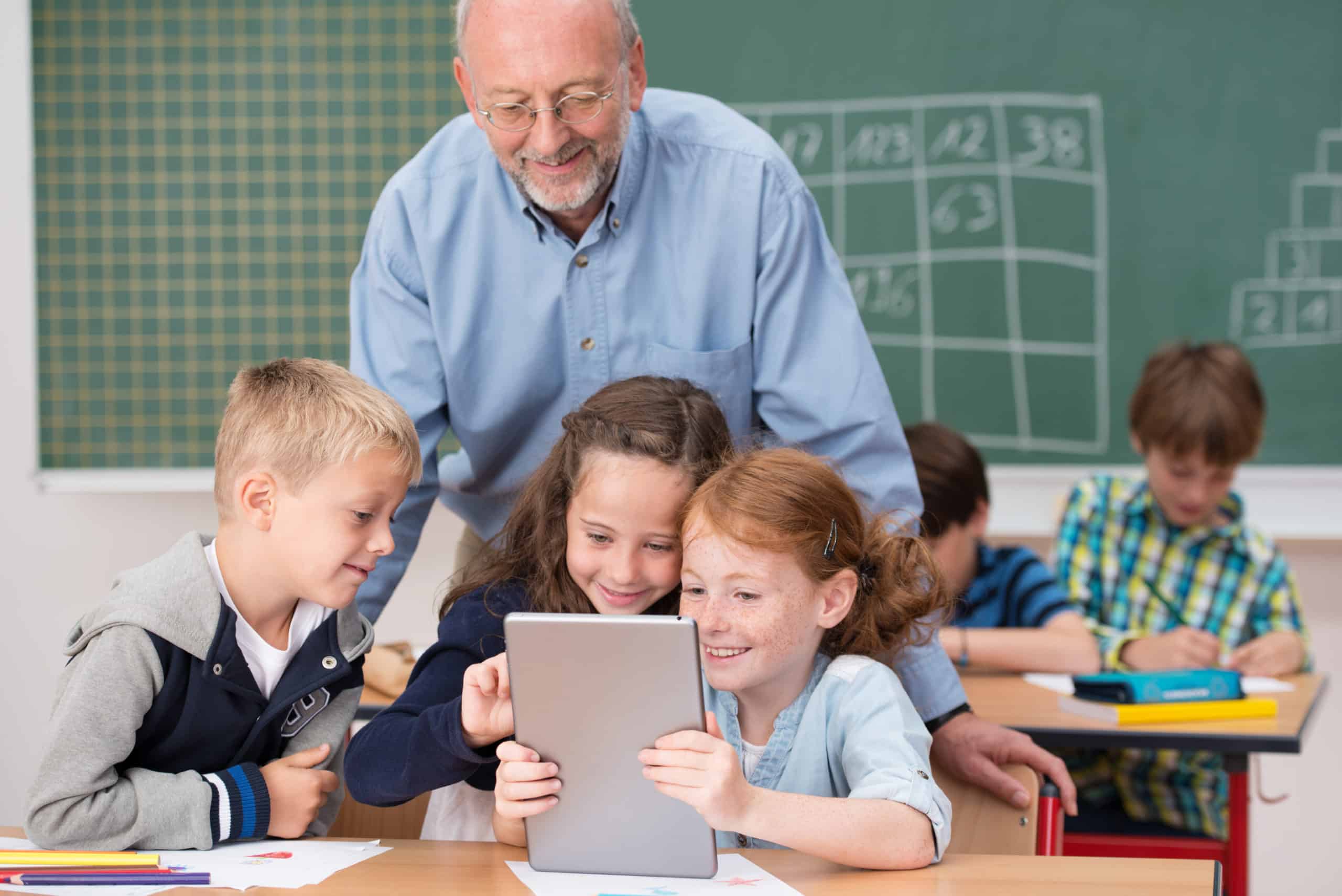
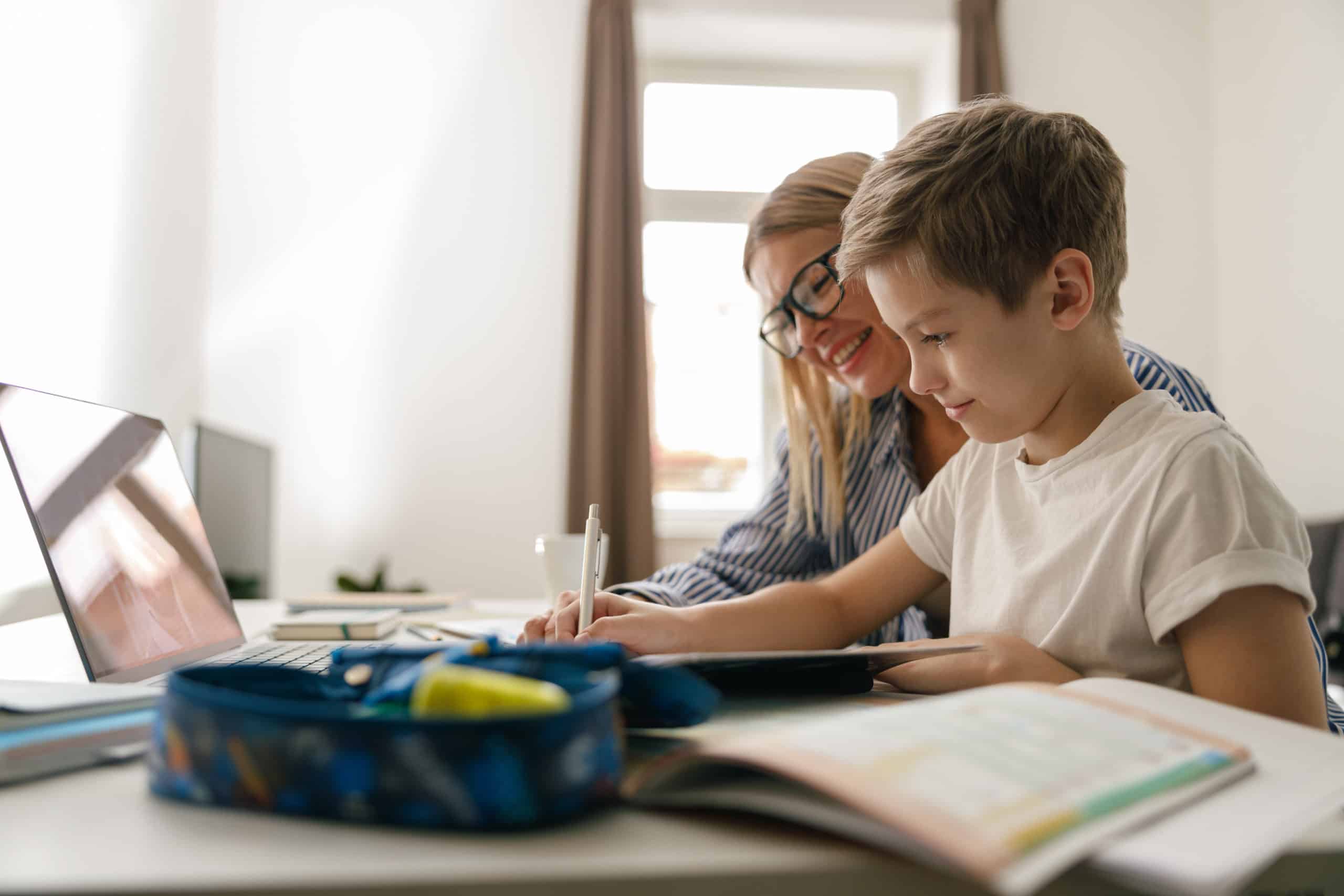
Parental support is essential, especially for first graders. Initially, there may be challenges with homework or at school. Practicing together - be it reading, writing or arithmetic - helps the child to understand the material and clarify questions. Not only traditional exercise books are suitable for this, but also modern e-learning programs that provide playful support.
As the concentration span of younger children is limited, regular breaks should be planned. Exercise in the fresh air or free play help to recharge their batteries and restore their motivation. This keeps learning relaxed and effective.
What is the right exercise book?
E-learning
In addition to traditional exercise books, modern e-learning websites also offer exciting learning opportunities for children. These platforms make learning interactive and promote learning success through direct feedback. For example, the free platform Schlaukopf.de allows children to test their knowledge with short, playful tests. With over 40,000 questions, it covers numerous school subjects - from math and German to history and science. For first graders in particular, there are many age-appropriate exercises that are fun and provide a varied way of reinforcing the school material.
For children who have difficulty with motivation or fear of making mistakes, these digital formats provide a relaxed environment to learn at their own pace.
Although many parents are critical of digital media, children should be given access as soon as they show an interest. The conscious use of computers can encourage natural curiosity and guide the urge to play in a meaningful way - without losing the joy of learning.
Which digital media are good for first graders and how do they learn them?
How much media time and breaks are recommended?
Media educator and educational scientist Prof. Dr. Norbert Neuss, who heads the "Education and Support in Childhood" course at the University of Giessen and is himself the father of two children, advises the following times:
-
- Children from 4 to 6 years: 20 to 30 minutes a day
- Children from 7 to 10 years: 30 to 45 minutes a day
- Children from 11 to 13 years: about 60 minutes a day
- Children aged 14 and over: jointly agreed pro media budget
Supporting children in learning and reflecting
Exploring the computer together and preparing for school lessons is about understanding the computer as a useful tool. Children should learn to use information in a reflective way instead of seeing it as an absolute truth. Parents can help them to question content critically and process it independently - for example by drawing, speaking or reading.
Specially developed learning platforms provide a good basis for deepening knowledge in a fun and targeted way. However, it is important to take a break after learning instead of immediately continuing to play on the computer. Such rest periods promote the sustainable absorption of knowledge.
Parents should also make children aware that excessive computer use can put a strain on body and mind, even if children often do not feel this directly. A healthy approach to digital media is therefore crucial.