What should a children's desk be able to do?
Why is a good desk in a child's room just as important as imagination and creativity?
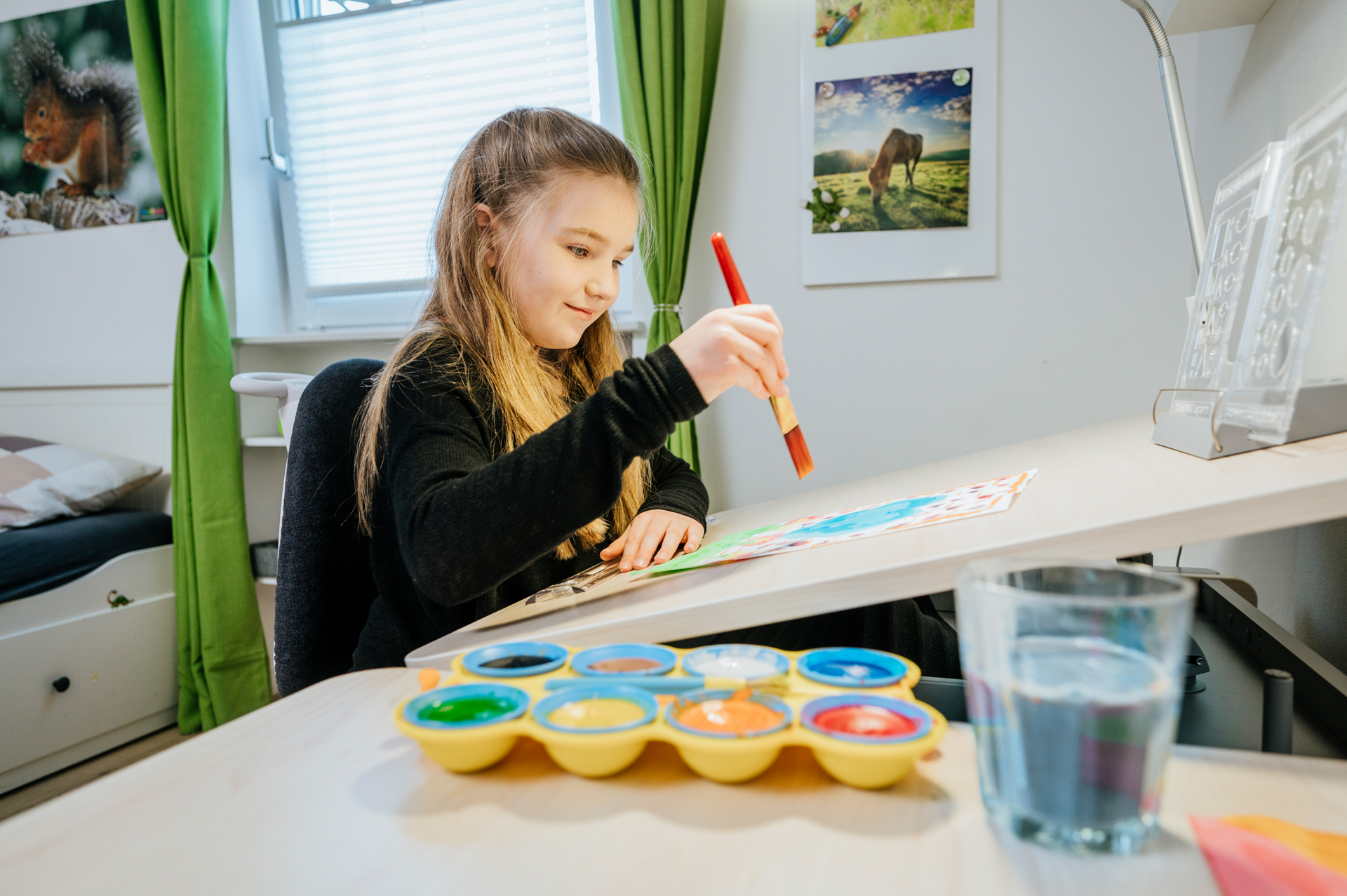
A good children's desk is just as important as imagination and creativity in a child's room. It should not only offer sufficient storage space and surface area, but also space for the development of creativity and the demands of learning.
The requirements for a children's desk are high, but easy to implement. Unfortunately, this is often underestimated and many parents often look for a suitable desk too late. A good desk ensures that the child is optimally supported both in the learning process and in their creative development.
The requirements for a good children's desk in detail
Ergonomics also plays a key role for children, but is often underestimated. But what does ergonomics mean and why is it so important, especially in children's rooms? Ergonomics, derived from the Greek words for "work" and "rule", encompasses the rules of conduct that help people to work as effectively and healthily as possible. The aim is to create optimal working conditions in order to avoid health problems. avoid health impairments.
Prevention is crucial: ergonomics is particularly important in preventive work. The aim is to prevent complaints such as tension, back problems and headaches before they arise.
Ergonomics for children too: Children today spend more time at a desk or chair than in the past, whether at school, doing homework or studying at home. This requires a particularly good ergonomic design of the children's desk in order to avoid damage to health.
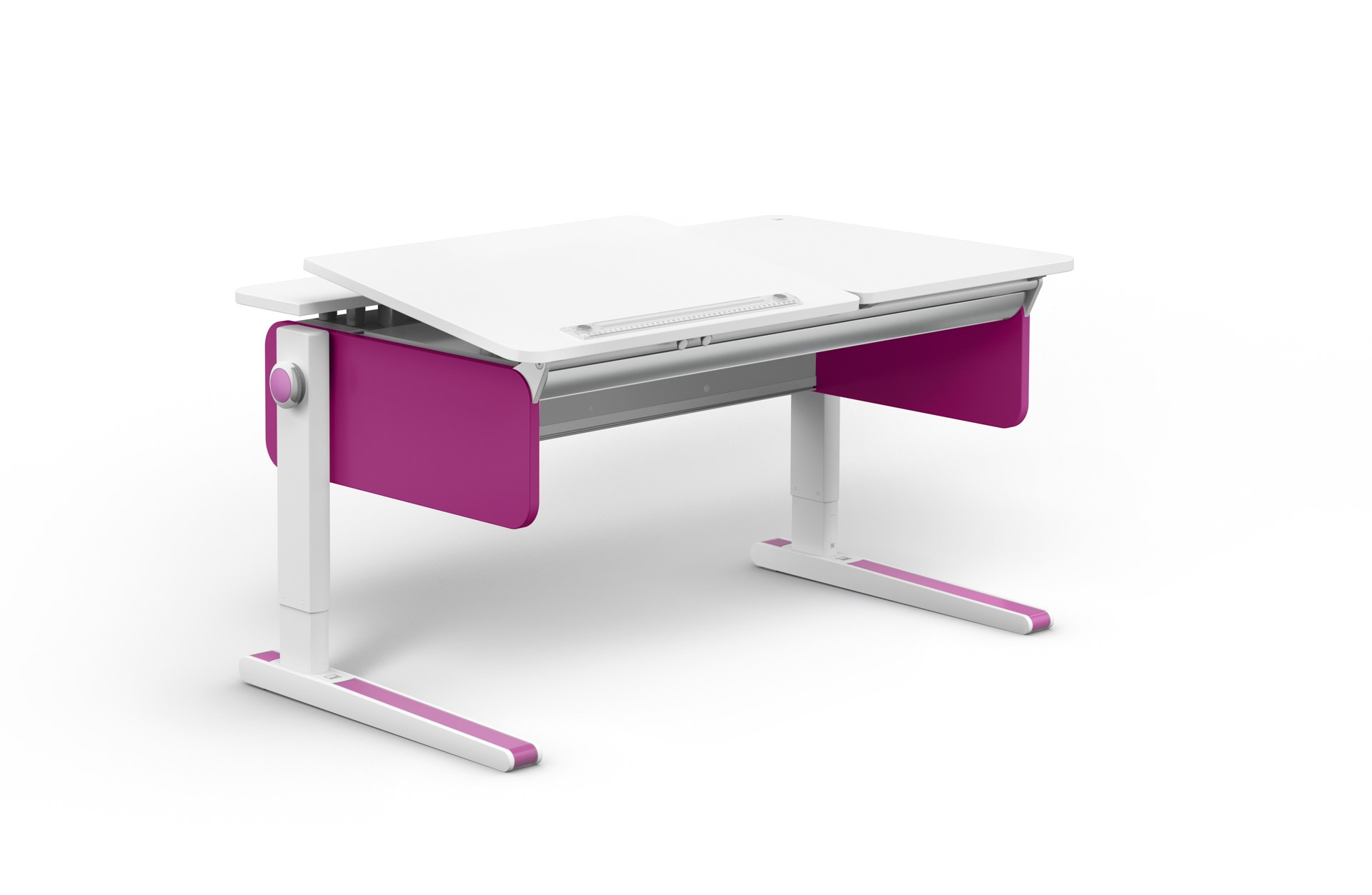
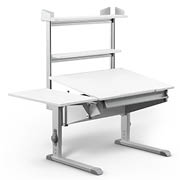
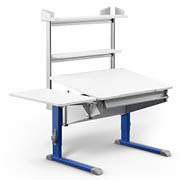
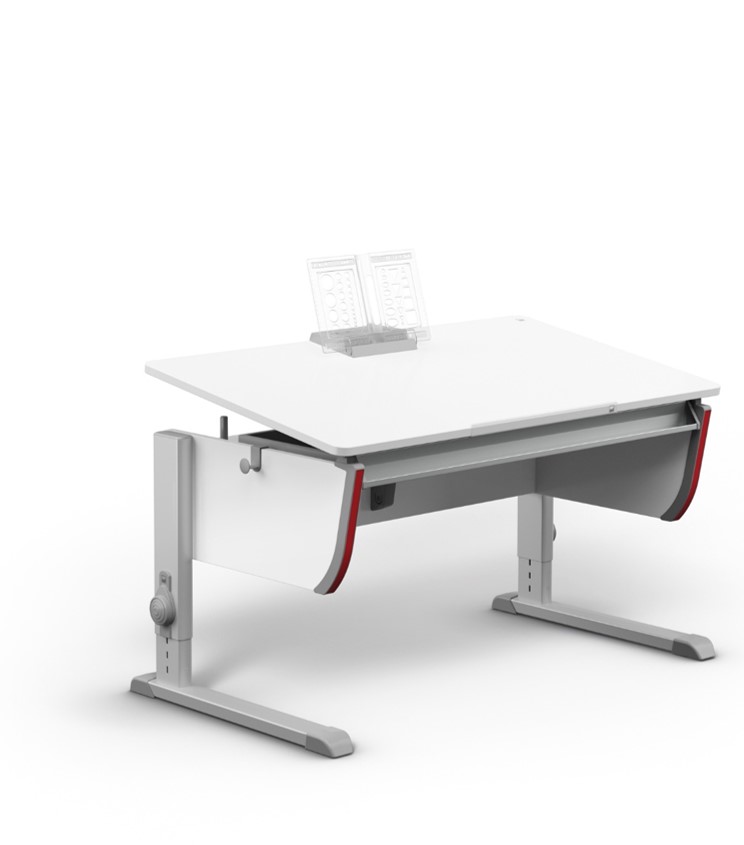
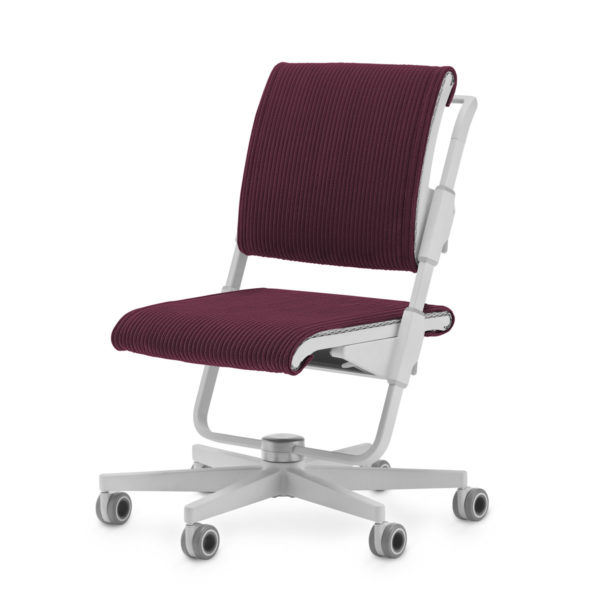
Adaptability of the desk: A good children's desk must meet the growing and changing needs of the child. This means that it should be flexibly adjustable in height, width, length and inclination.
Individual adjustment: It must be possible to adjust the desk to the child's physical characteristics - from the correct height of the work surface to a tilt that relieves pressure on the head and neck.
The children's desk should therefore be able to accommodate both the child's physical needs and the various activities - from reading and writing to creative activities.
Why children's desks need to grow
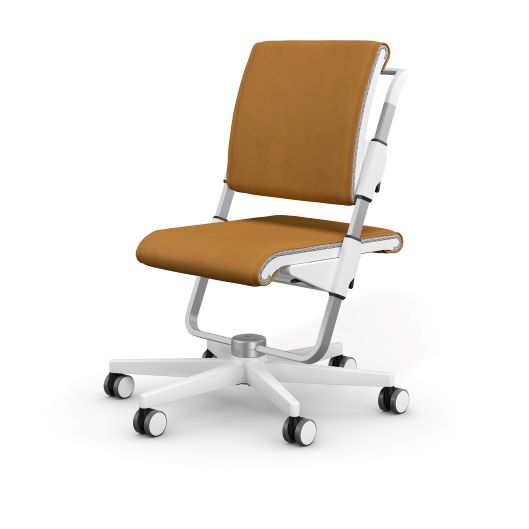
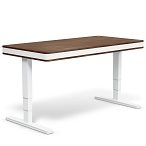
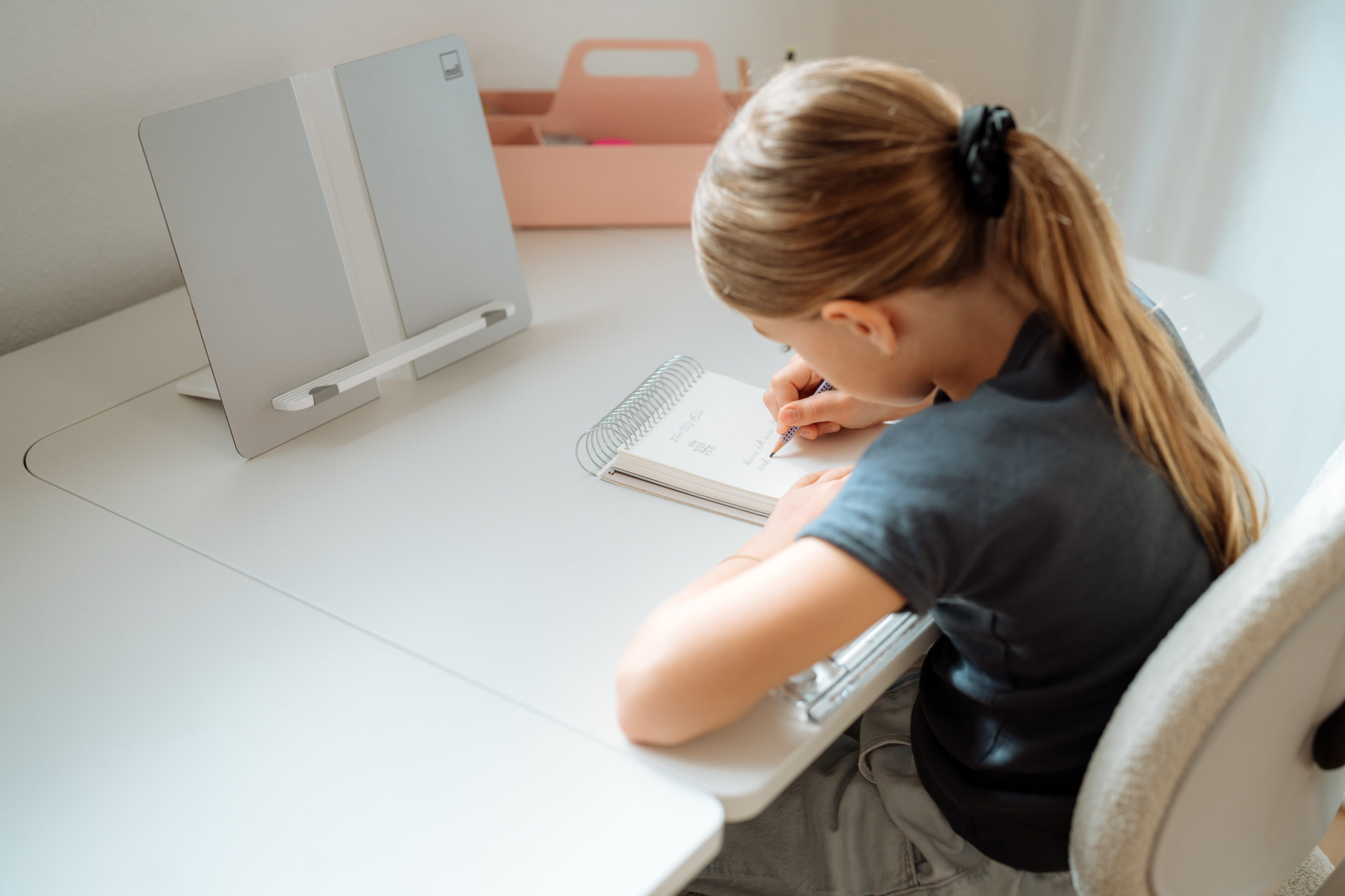
There is one thing children particularly enjoy doing: growing—irregularly and without warning, which often poses a challenge for parents when clothes and furniture no longer fit. A children's desk from moll , grows flexibly with them, from preschool age to adulthood.
Thanks to this flexibility, moll have repeatedly received positive ratings in tests, been certified, and won awards—an investment in your child's health and ergonomics that will grow with them for years to come.
A desk that grows with the child ensures that the height of the work surface can always be optimally adjusted to the child's height. This prevents the development of tension, headaches and long-term back problems.
As a child gets older, the demands on the desk also increase. While at the beginning only coloring books and notebooks need space, later laptops, books and smartphones also need to be accommodated.
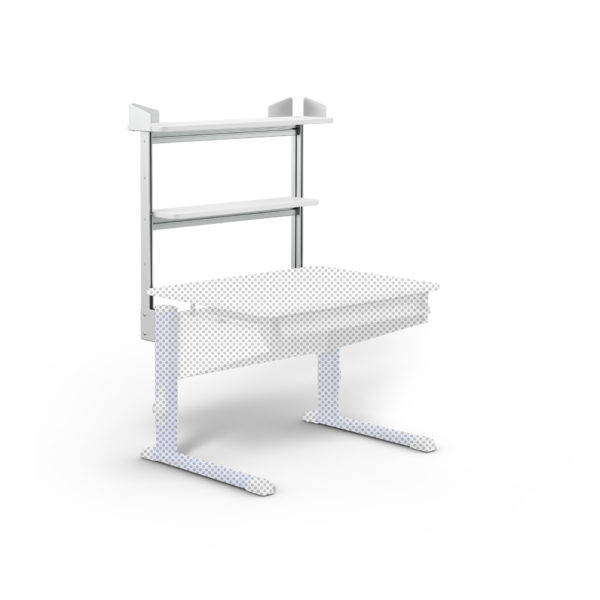
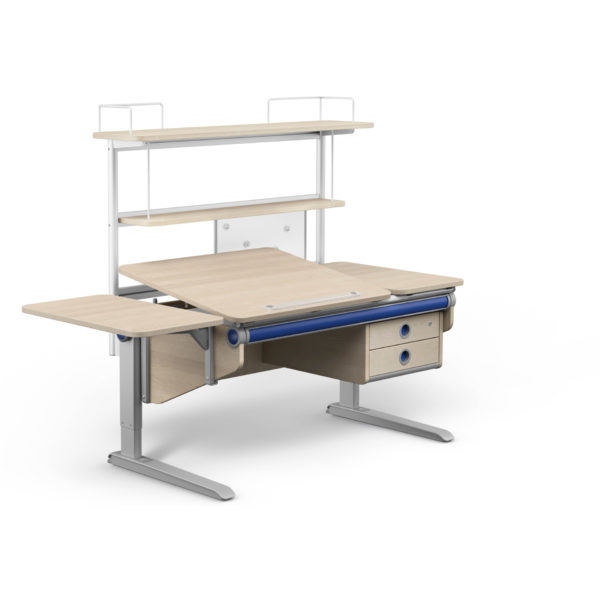
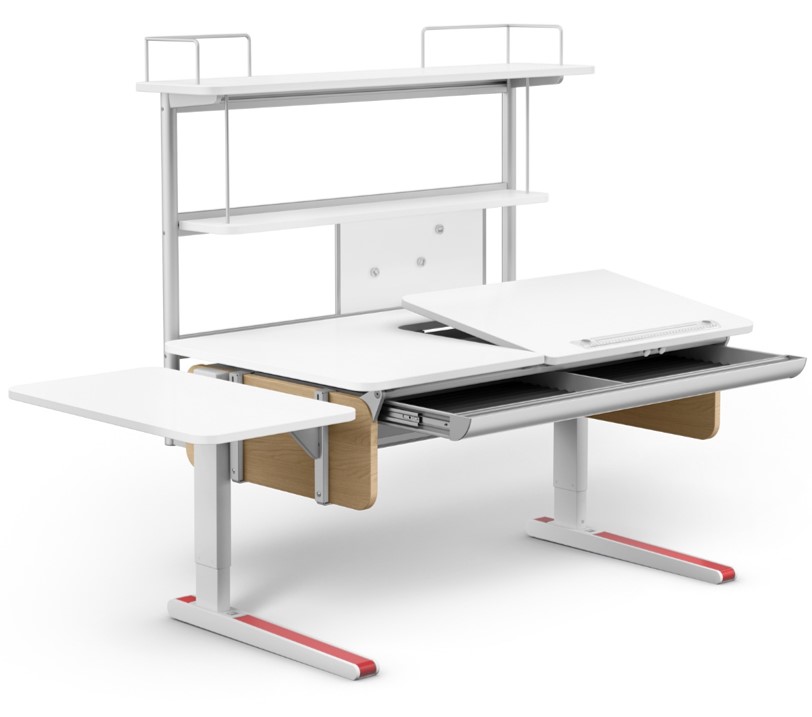
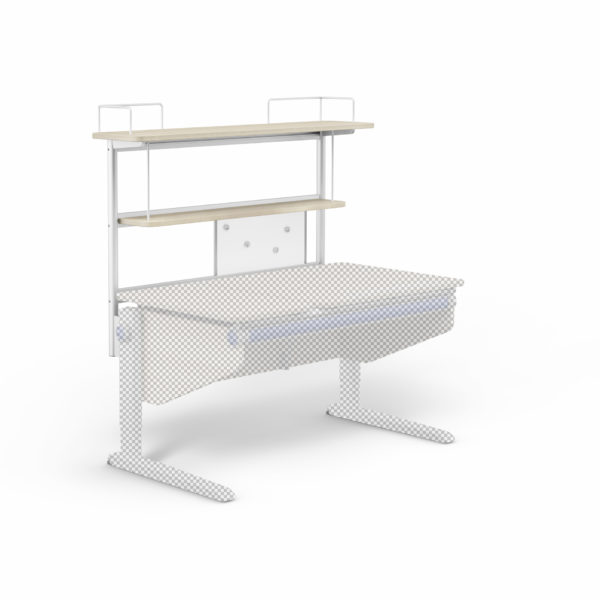
The modular design of the moll desk moll it moll be flexibly expanded or reduced in size. By adding or removing elements, the desk can be adapted to the child's current needs.
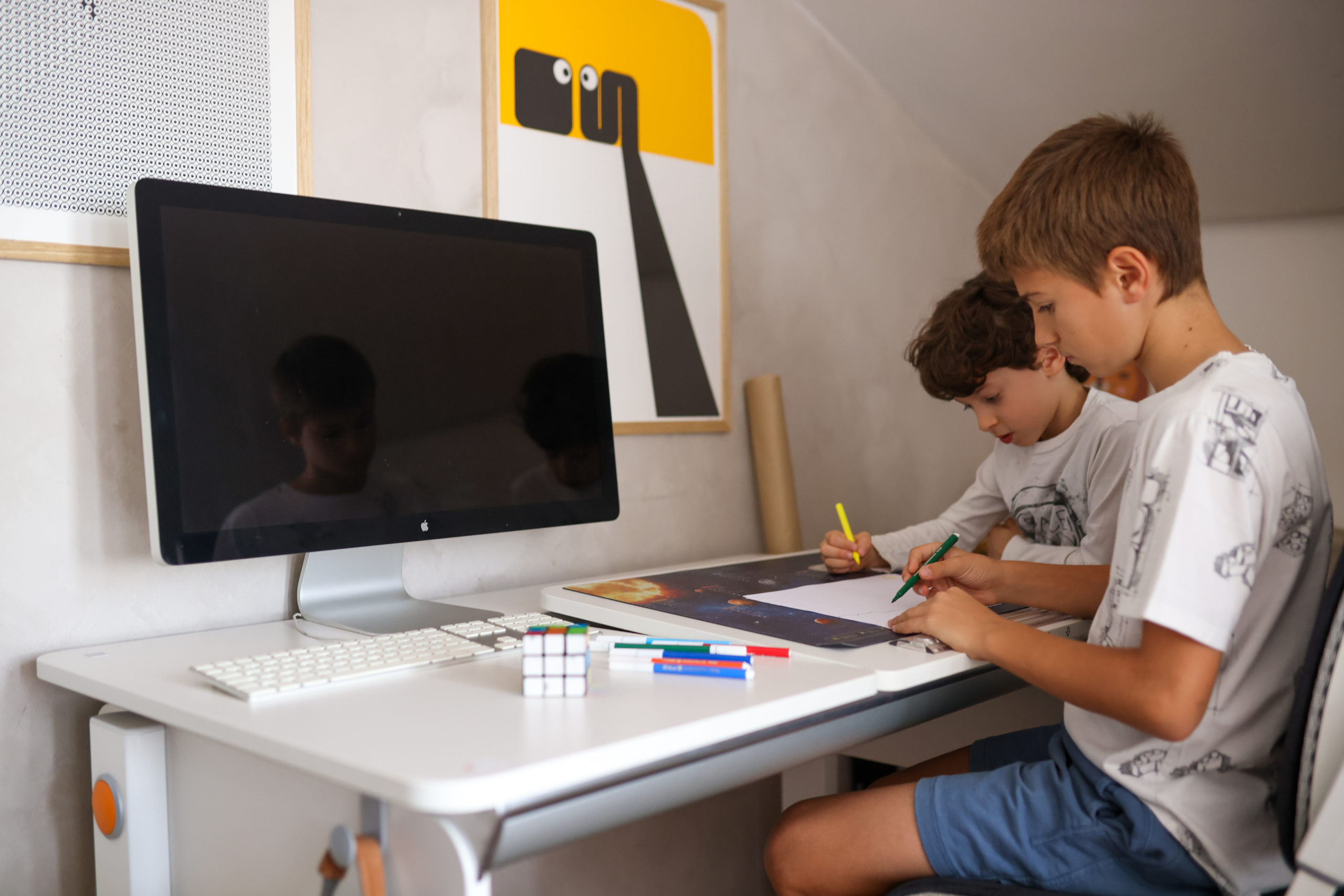
The height-adjustable children's desk
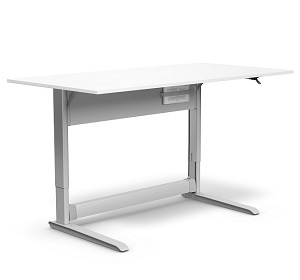
A good children's desk always adapts to the child's height and grows flexibly with them. The height-adjustable desks from moll exactly this flexibility – from preschool age to adulthood.
"A children's desk that adapts is more than just a piece of furniture - it is a companion through many phases of development."
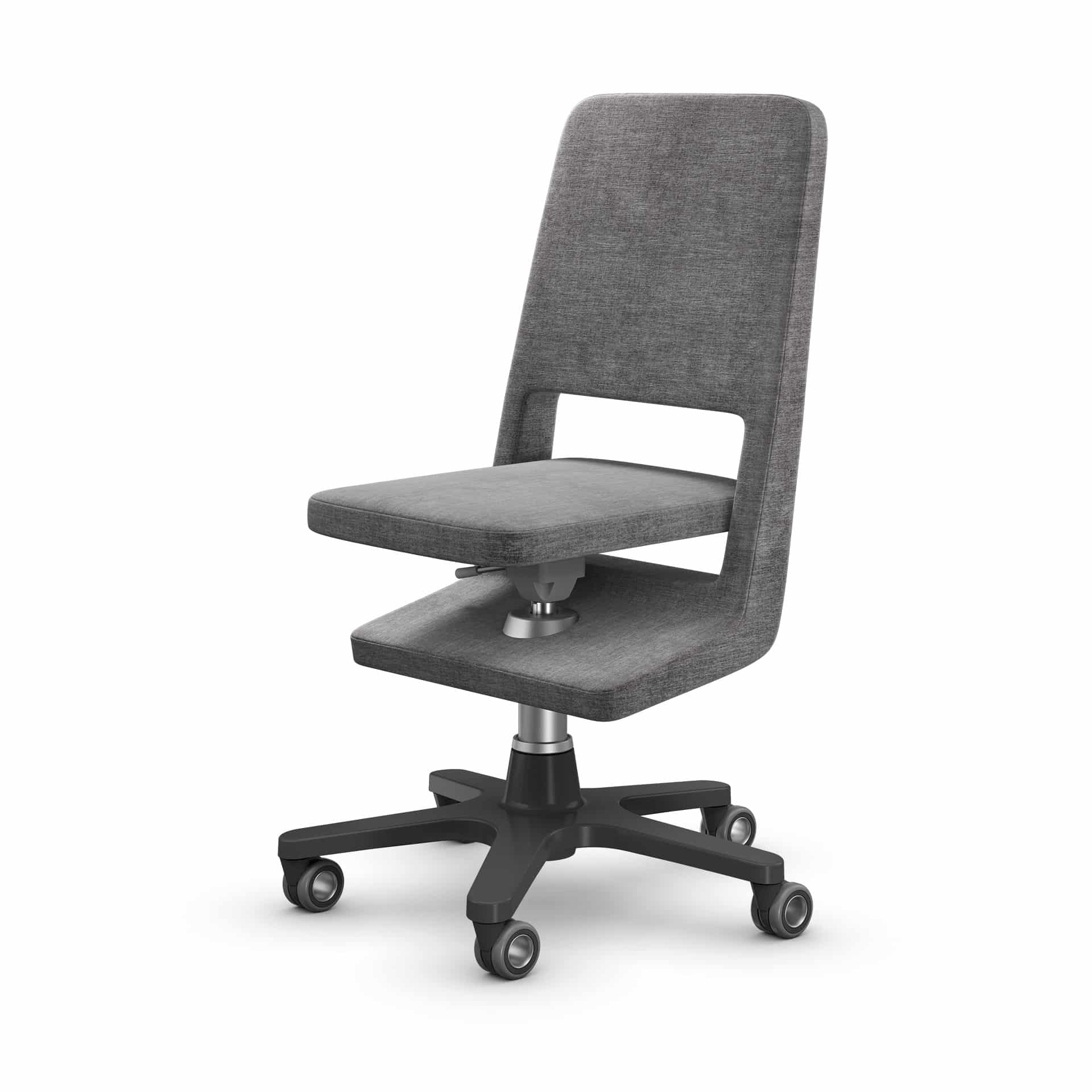
moll are equipped with patented bases that allow for continuous height adjustment. This means that the desk height can always be precisely adjusted to the child's current height – an advantage for an ergonomically correct sitting posture.
A moll is therefore not only sturdy and durable, but also flexible and well-designed to grow with the individual needs of the child.
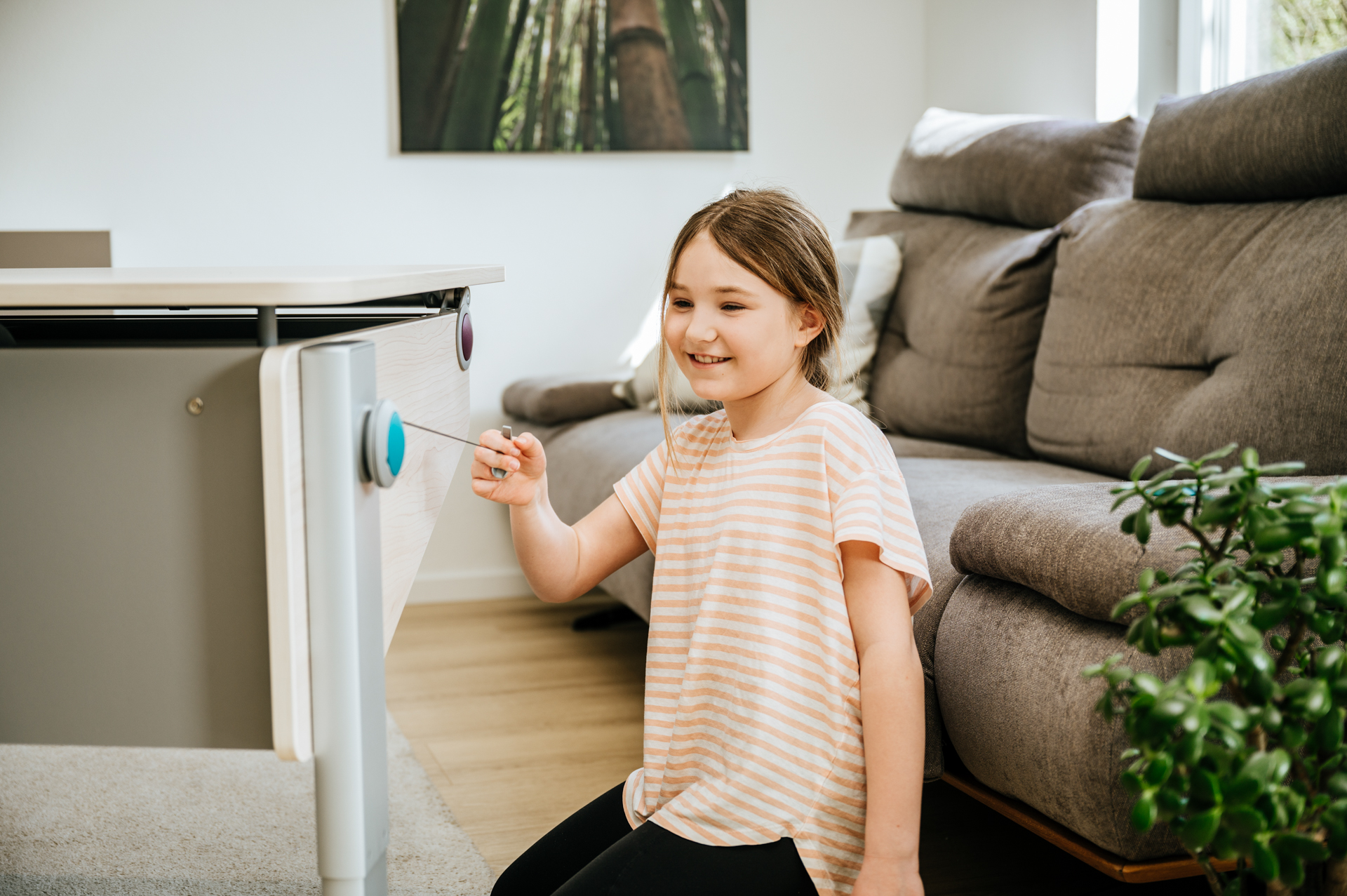
Why children's desks can also be angled
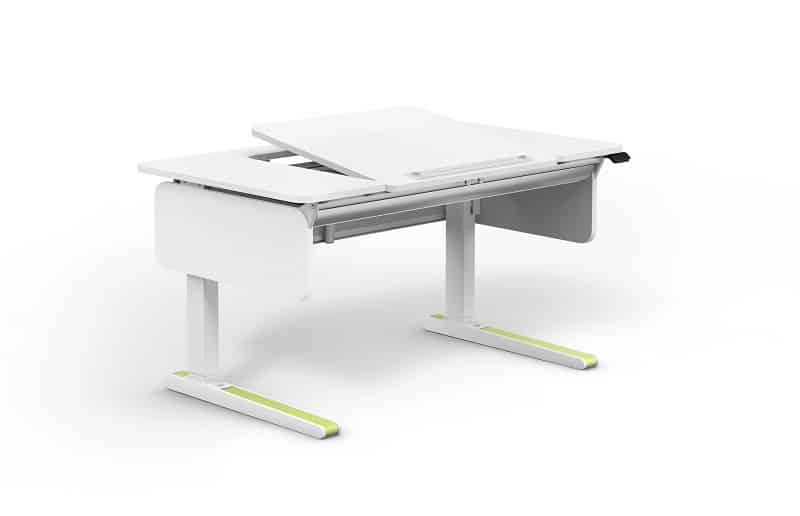
A straight desk surface is often necessary - when writing, for example. However, for many activities, such as reading, a slightly inclined work surface is much more comfortable and ergonomic. After all, we naturally hold books at an angle to our bodies. This posture relieves strain on the neck and prevents discomfort that could be caused by bending the head.
There is an ideal angle of inclination for every work task that promotes ergonomic working. However, as this varies from person to person, you need a desk that offers this flexibility. It is best to let the child choose the angle of inclination that is comfortable for them. "The body often instinctively knows what is good for it" – therefore, the mechanism should be designed to be easy to use, as is the case with moll height- and tilt-adjustable desks.
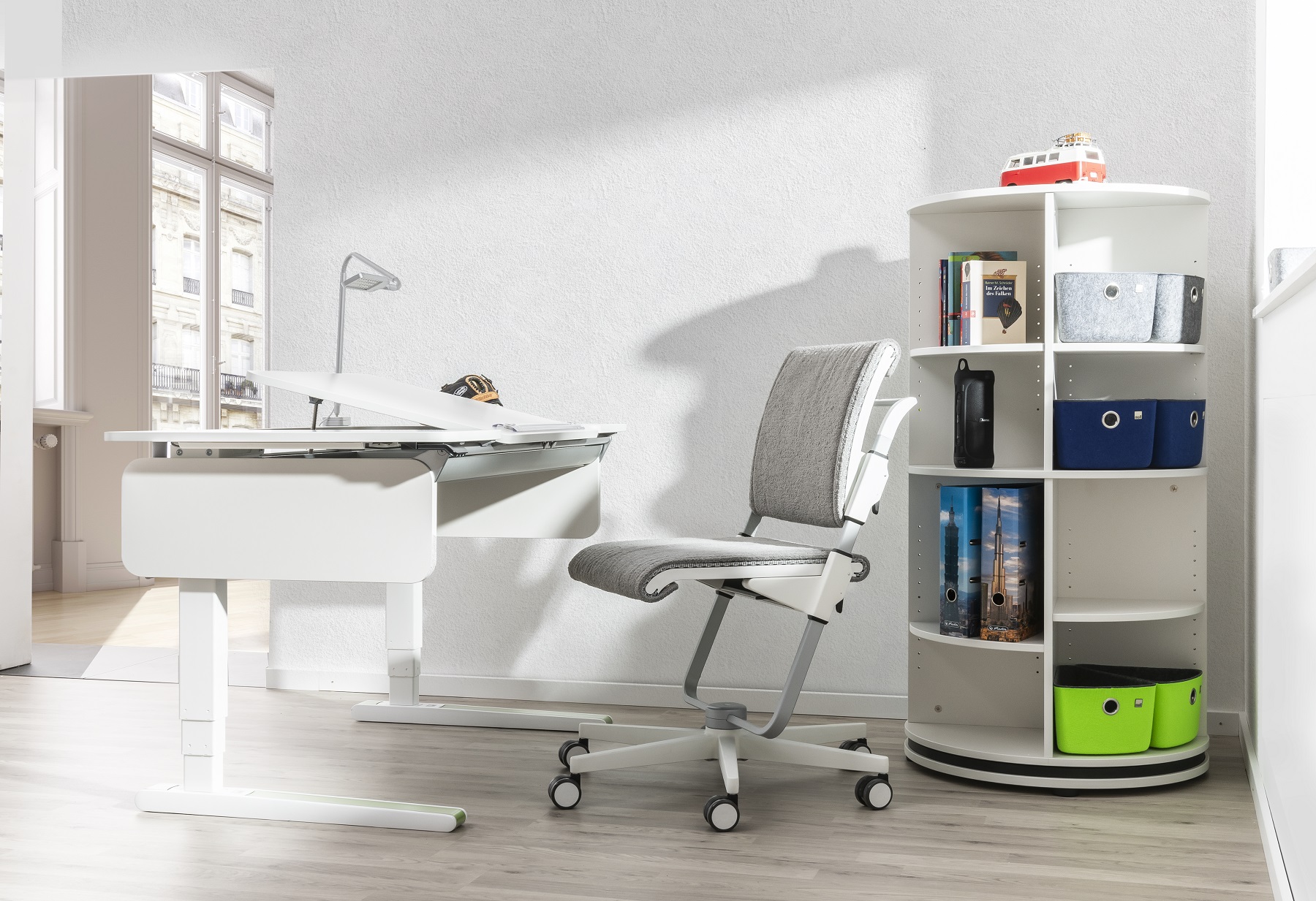
Growing in all directions
A good children's desk can not only adjust in height and inclination - its flexibility should also lie in width, length and design. Functionality, color and style are just as important in creating an environment that is ideally suited to the child's needs. Only when a desk allows for all these adjustments does it become a truly ergonomic and well thought-out companion that can grow with the child in all directions.