What does the nursery look like for first graders?
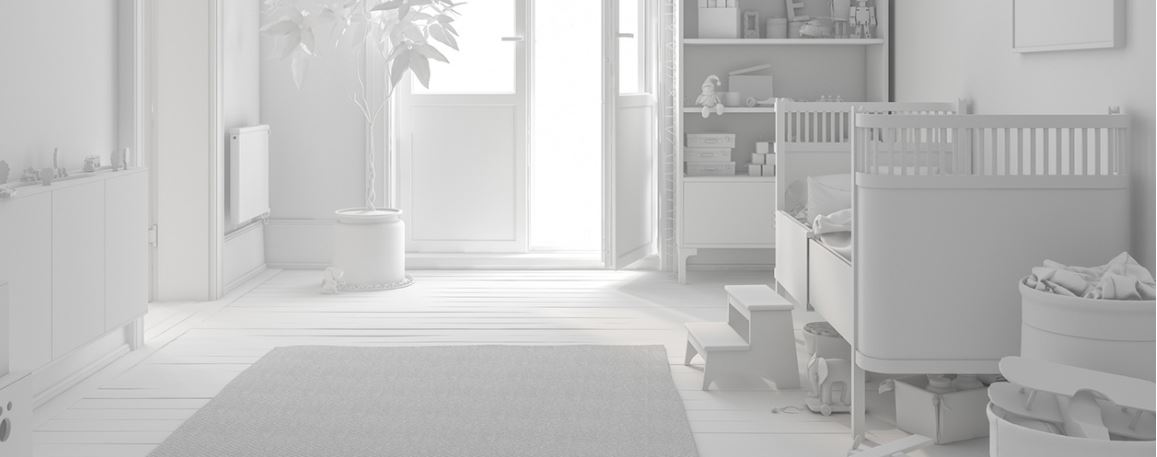
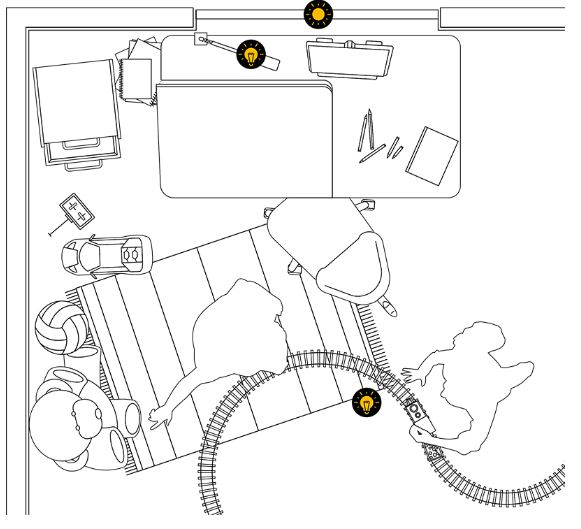
Children need a room that offers enough space to move, learn and play. Younger children in particular often play close to their parents, for example in the kitchen or living room. But when they start school, their own room becomes increasingly important. A child's room is then not only a place to sleep, but also a place to study for homework and a retreat where the child can play undisturbed or spend time with peers.

The room must therefore be multifunctional and meet the child's needs at different stages of development. The learning space plays a central role in this and should be designed flexibly, as requirements change over the years. The size of the room also plays an important role: in larger rooms, there is more space for larger desk landscapes, while smaller rooms require more compact furnishings.

It is important that the children's room is not only practical, but also cozy. It should offer enough space to play and relax and at the same time create a pleasant atmosphere without appearing cluttered.

What nursery furniture does a first grader need?

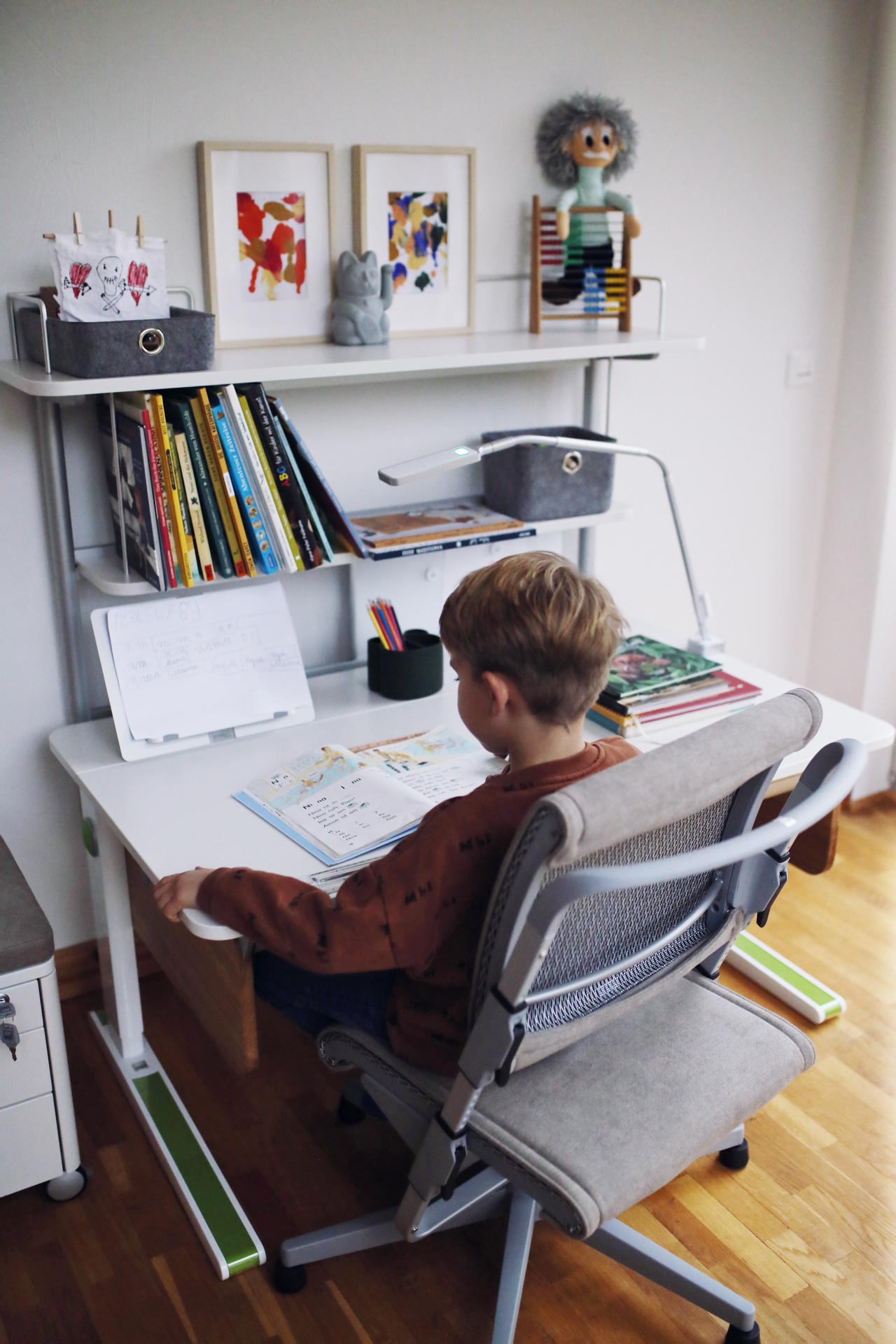
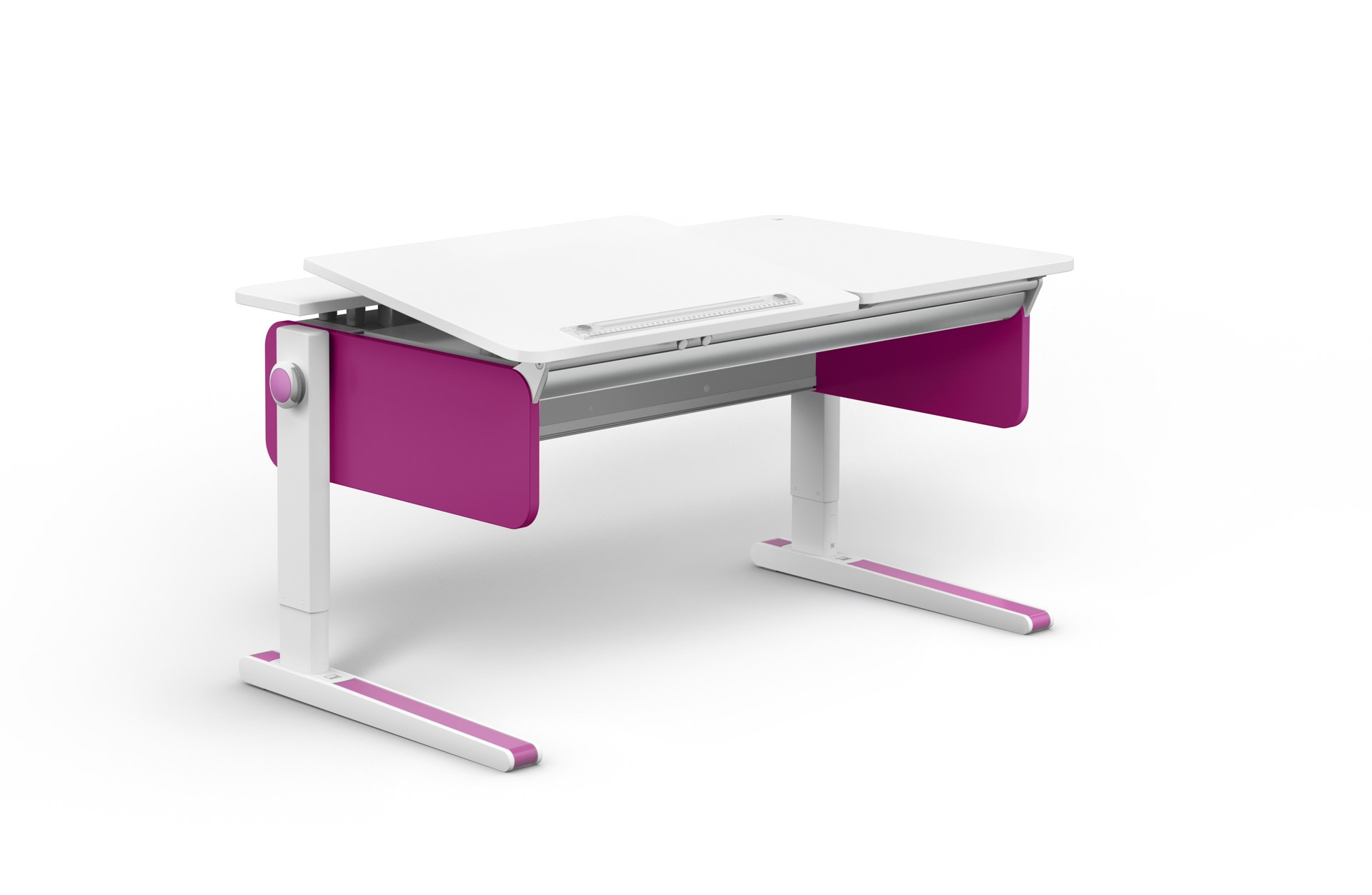
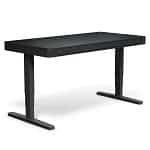
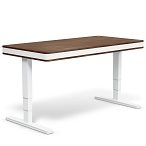
      • Height-adjustable desk
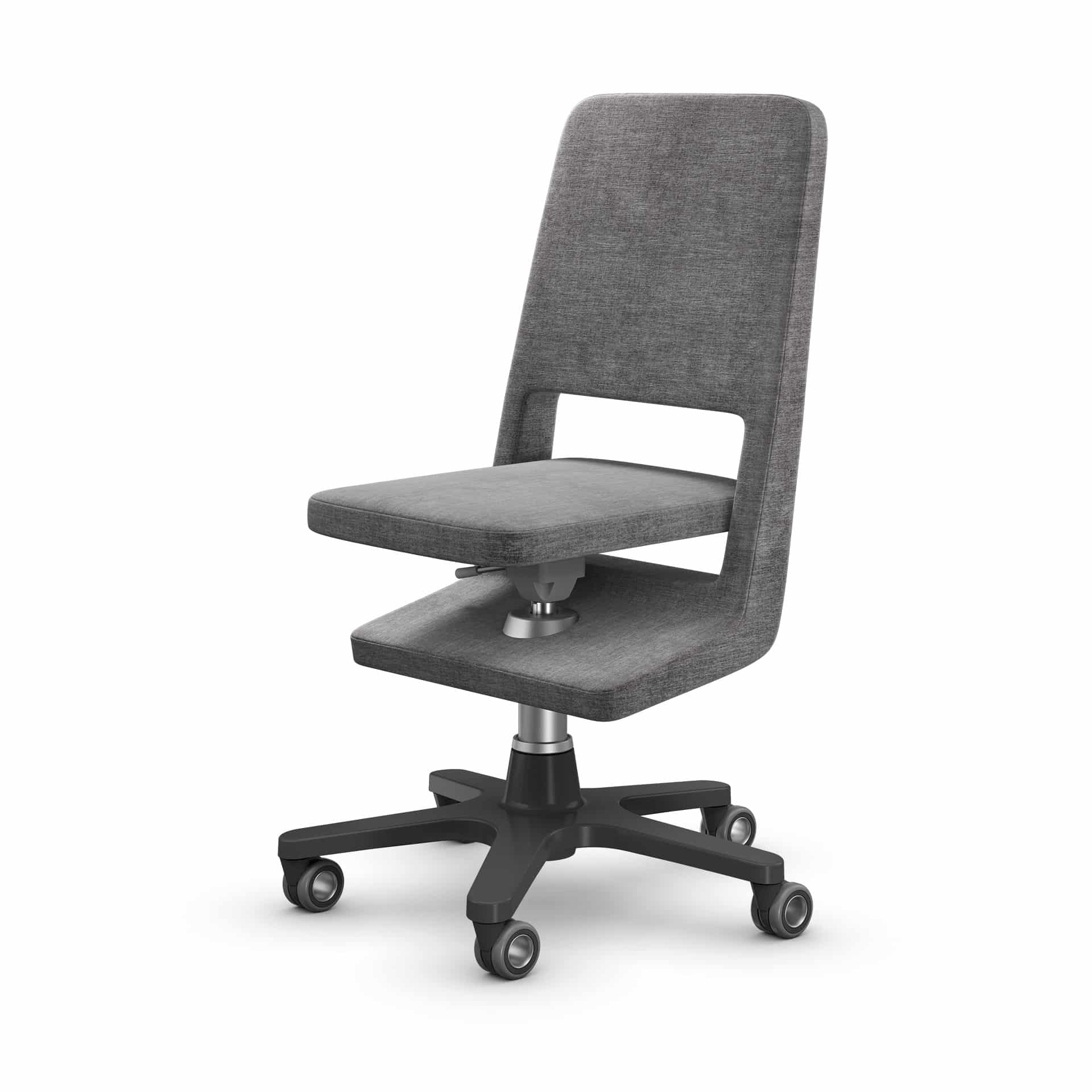
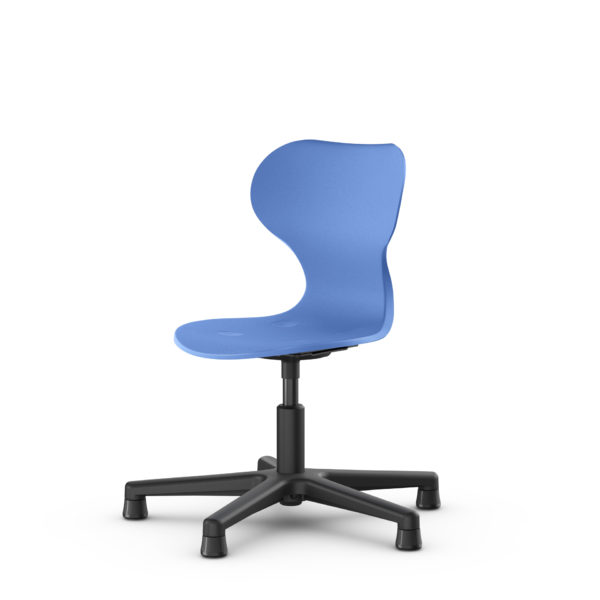
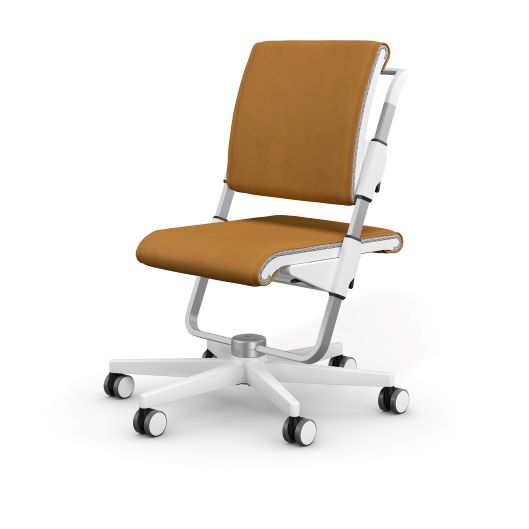
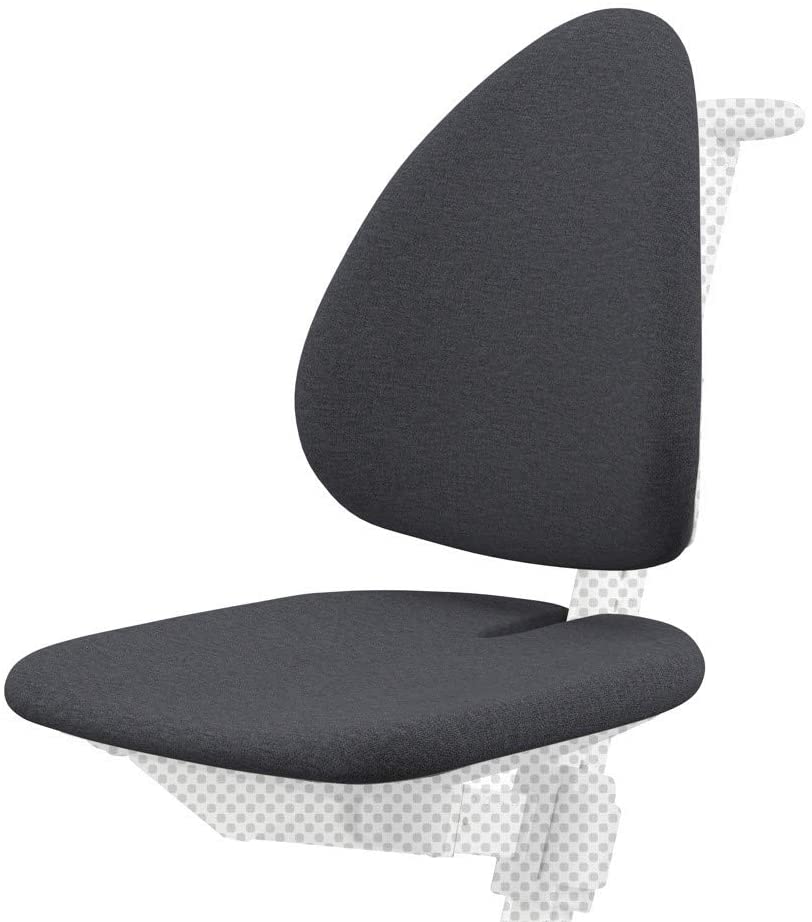
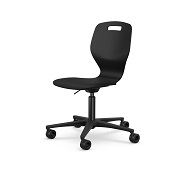
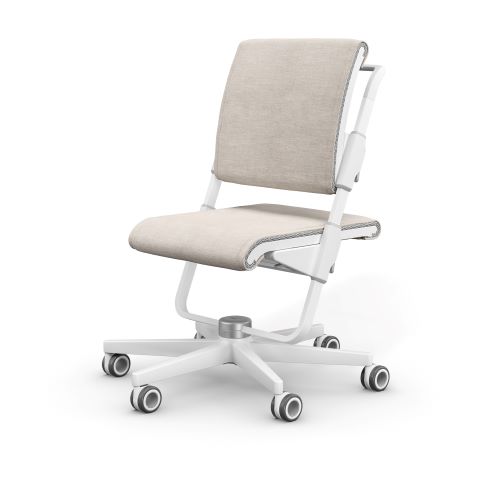
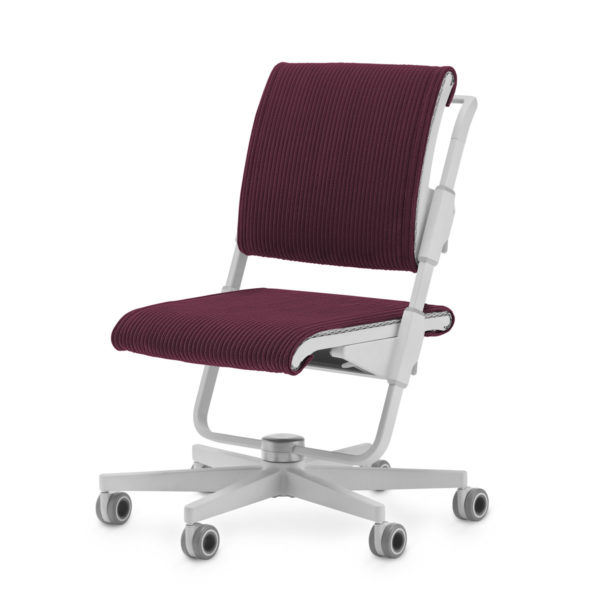
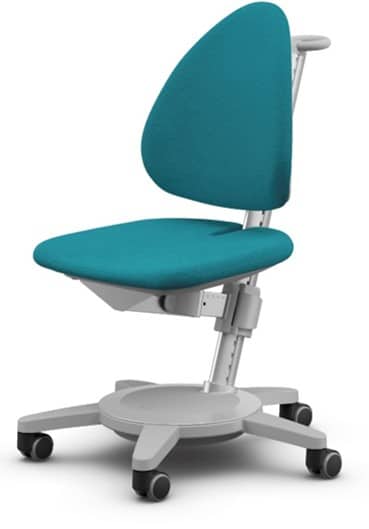
      • Adjustable desk chair
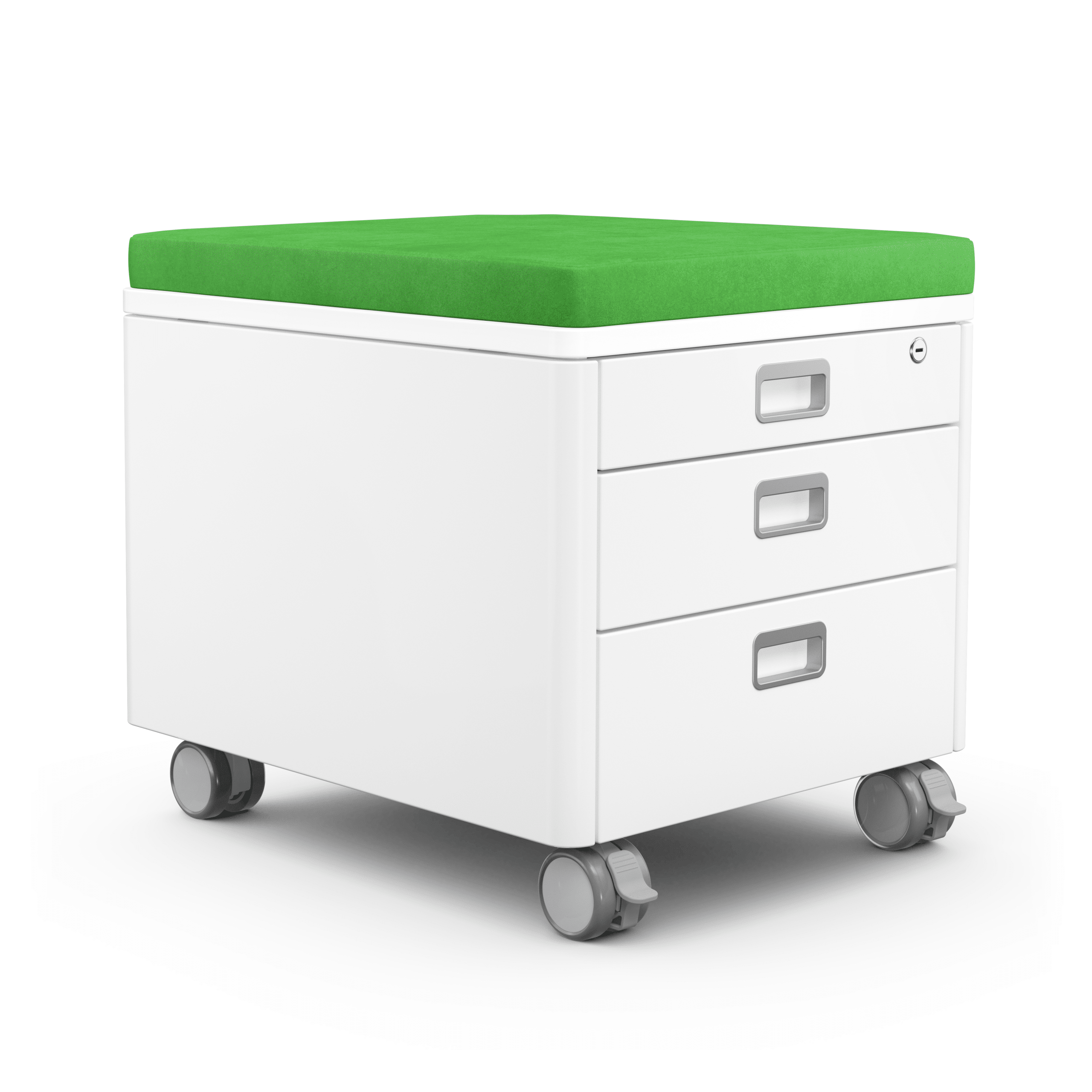
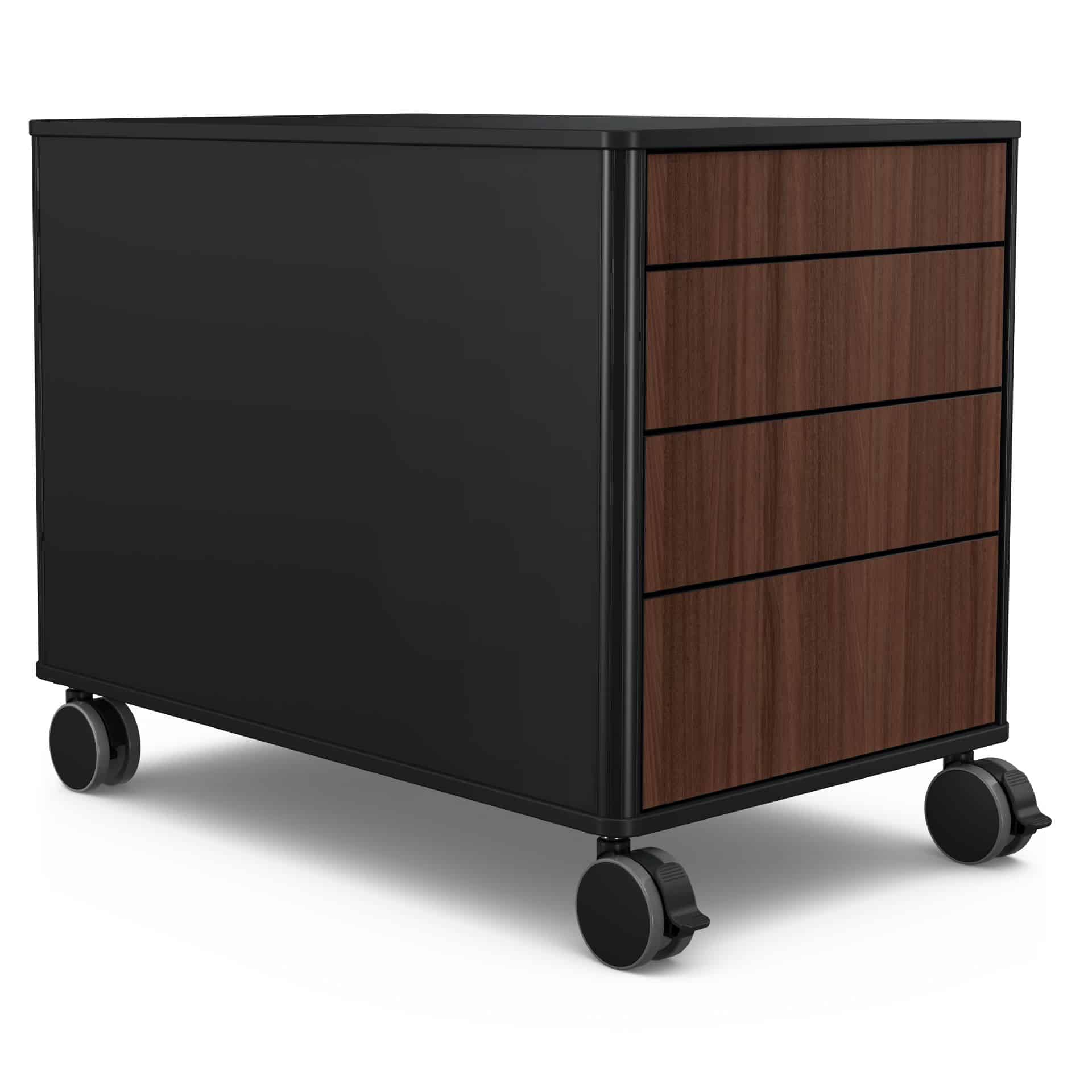
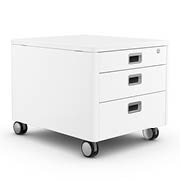
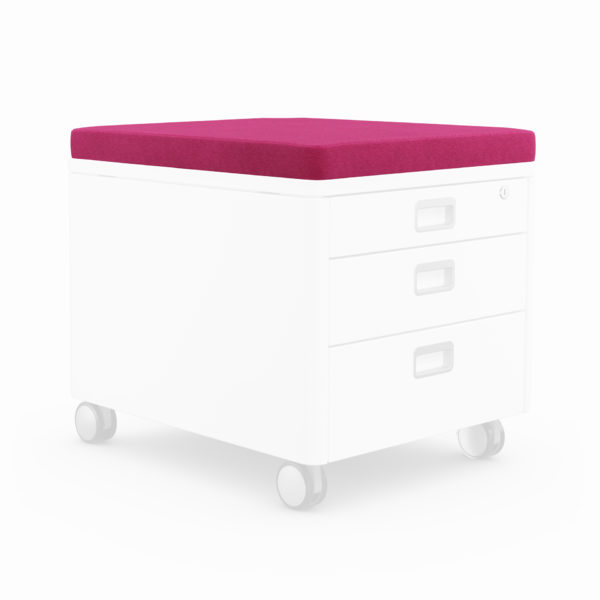
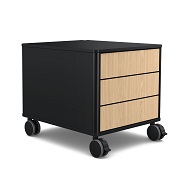
      • Roll container
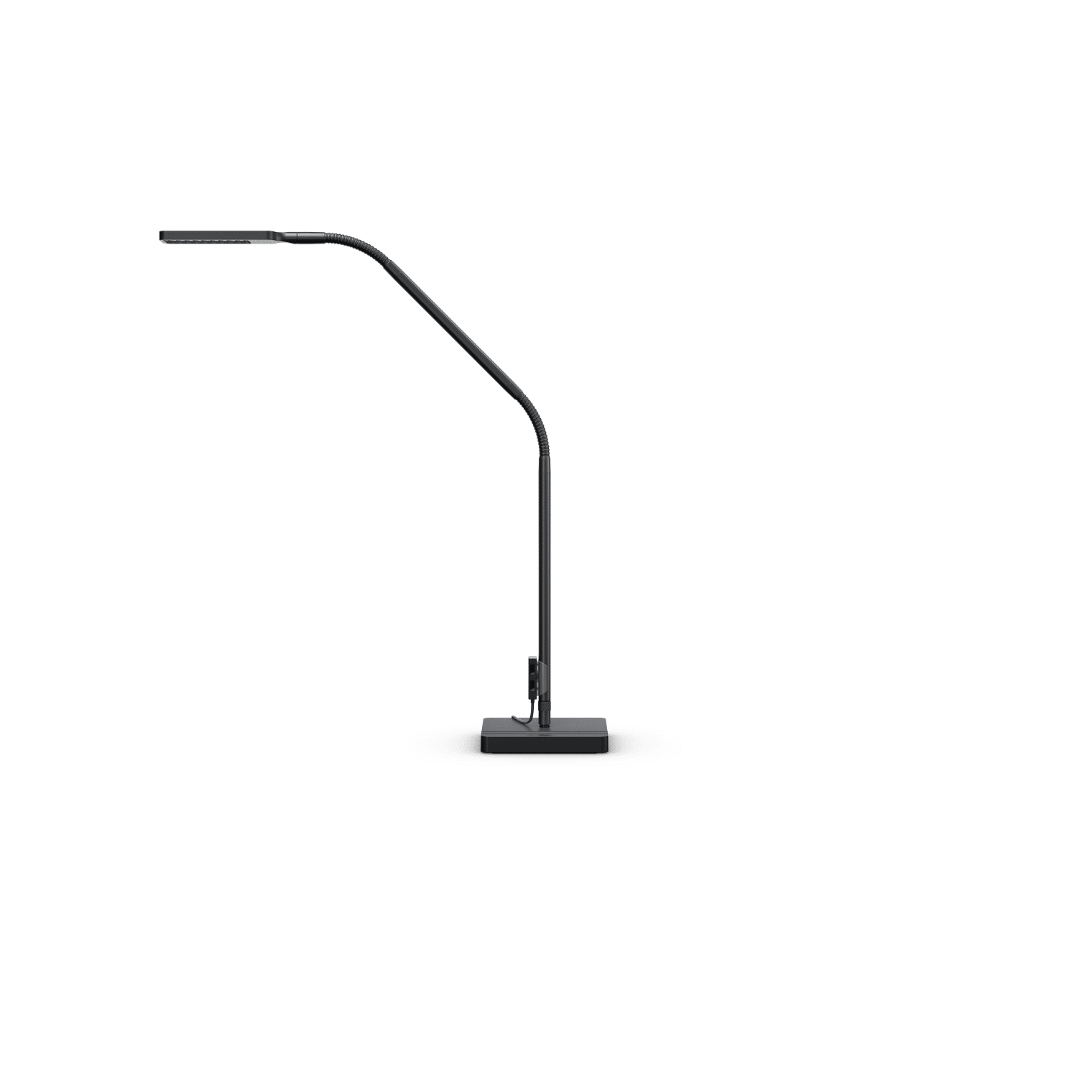
      • Desk lamp
      • Utensils for pens and craft materials
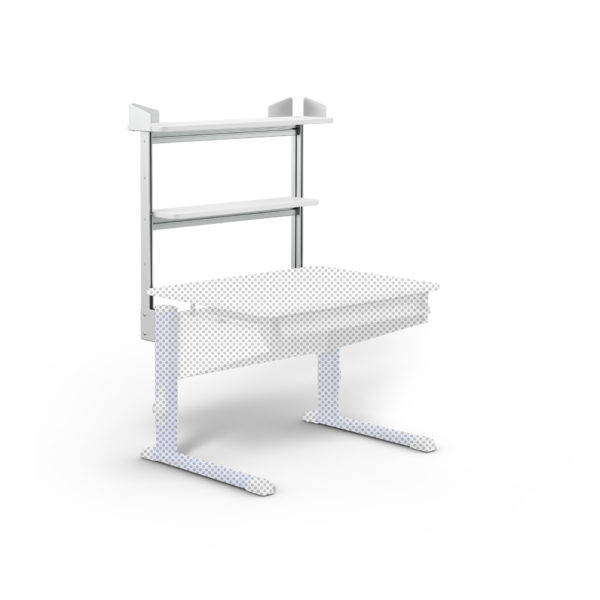
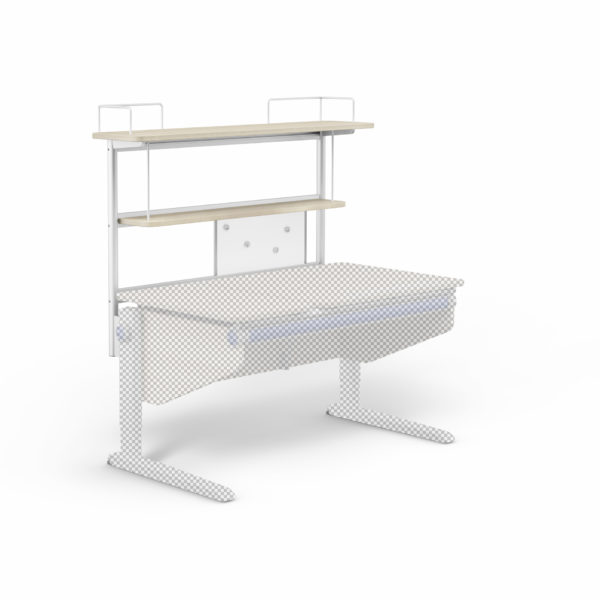
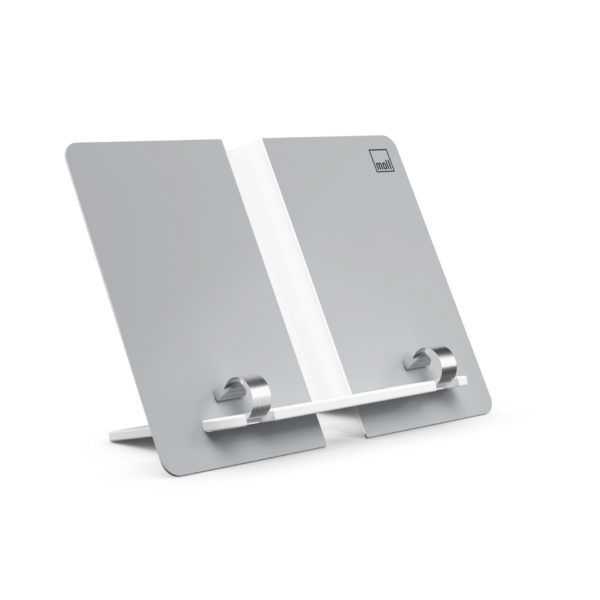
      • Shelf/Flex Deck for books

How to furnish a child's room properly? Furnish with brains!

Of course, a child's taste changes over the years. What a child likes at the age of six is often no longer appealing at the age of nine or ten. To avoid having to constantly redesign your child's room and to minimize both financial and time expenditure, we have the following tips for parents:

      • The child should contribute their own ideas
      • The basic equipment should be durable
      • Pay attention to timeless and versatile design
      • The furniture should appeal in the long term
      • Quality is crucial

What is sensible children's furniture? They are ergonomic and versatile!
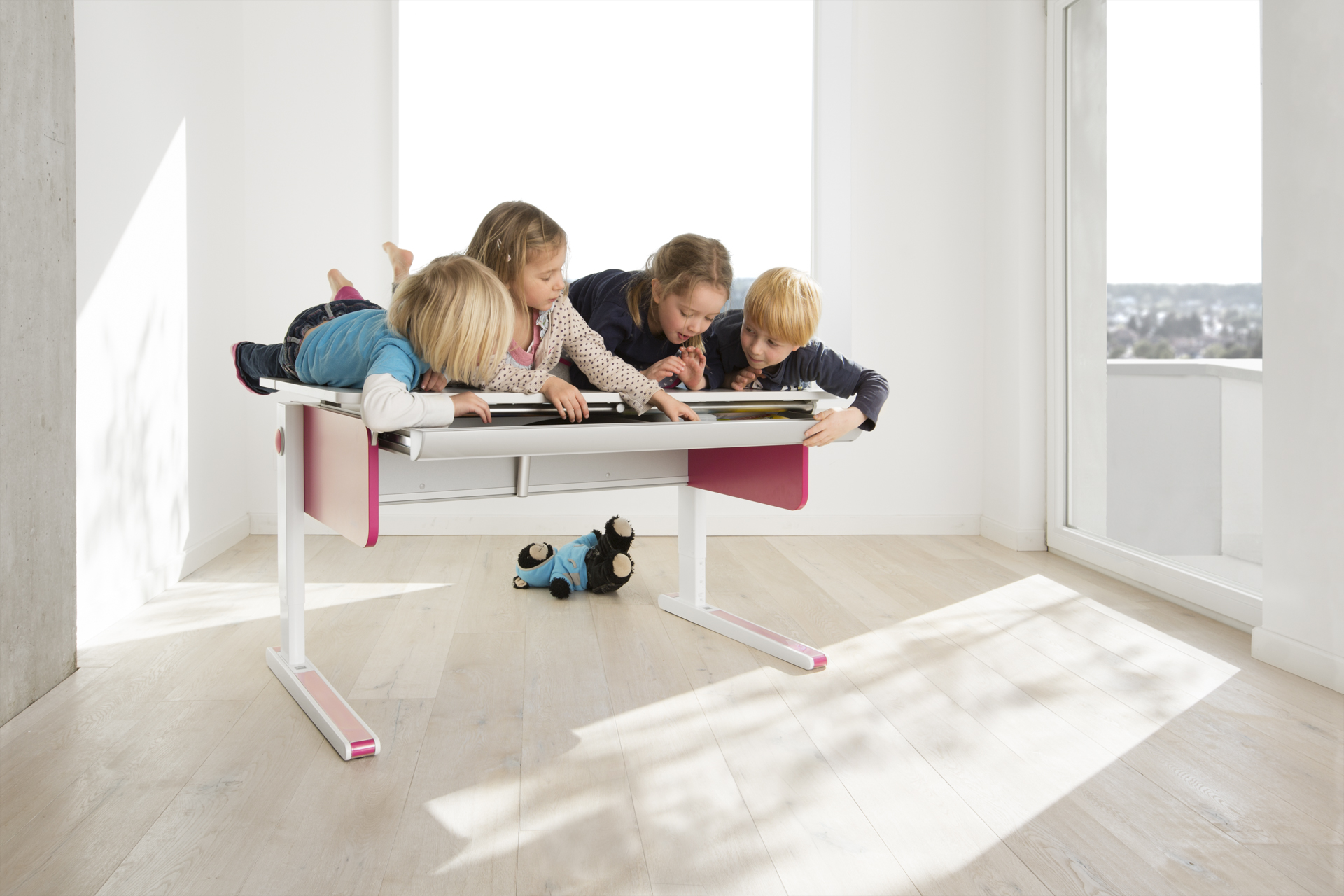
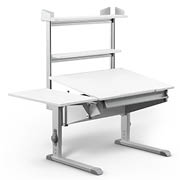
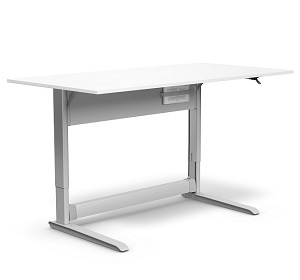
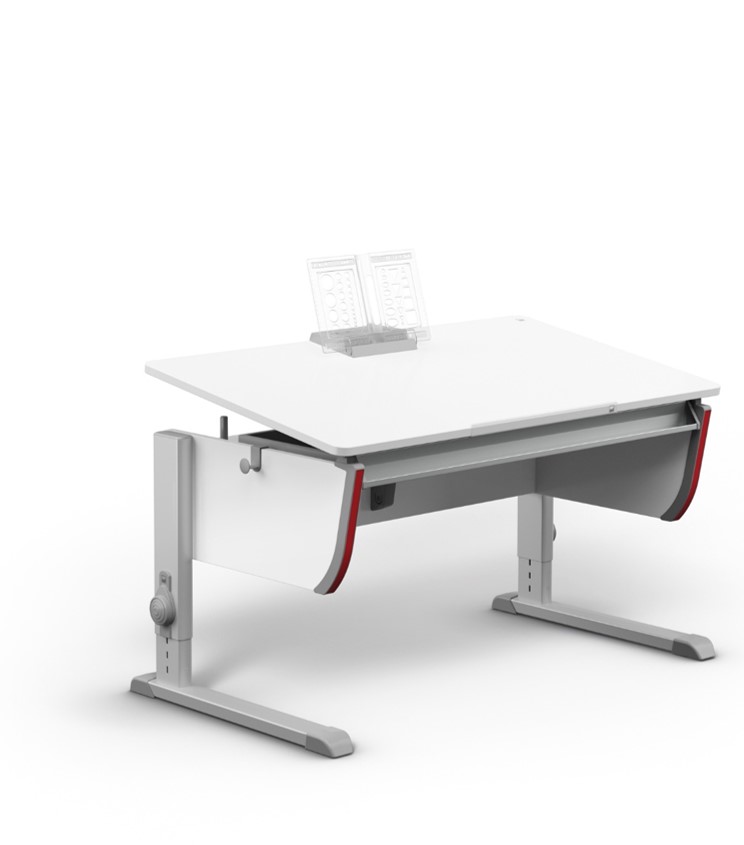
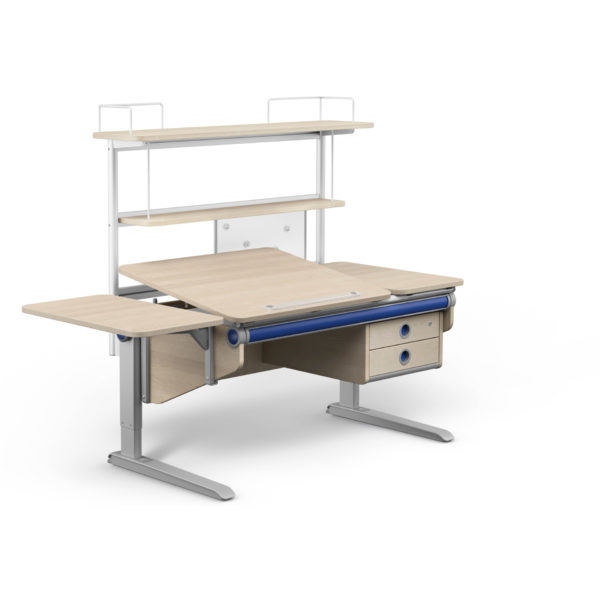
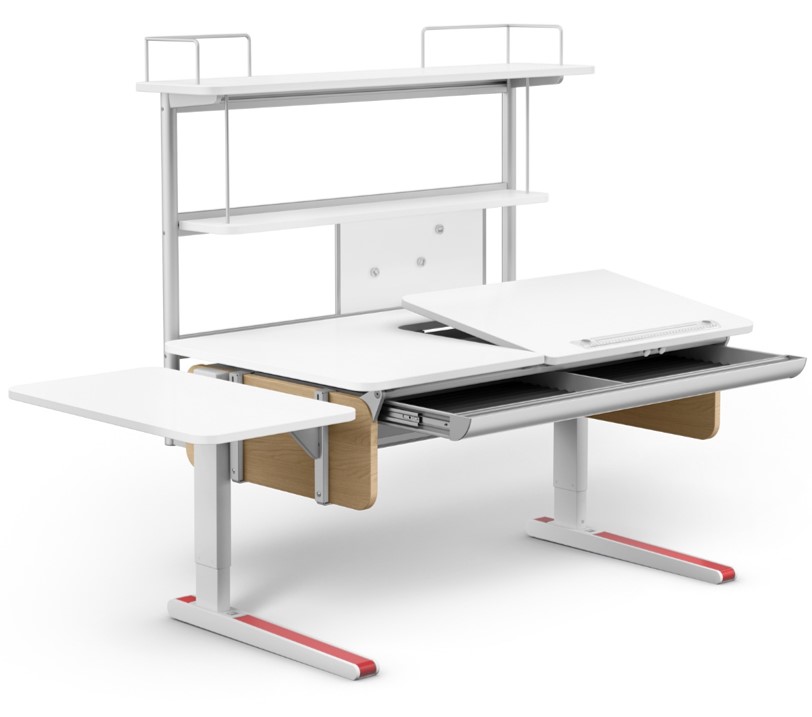
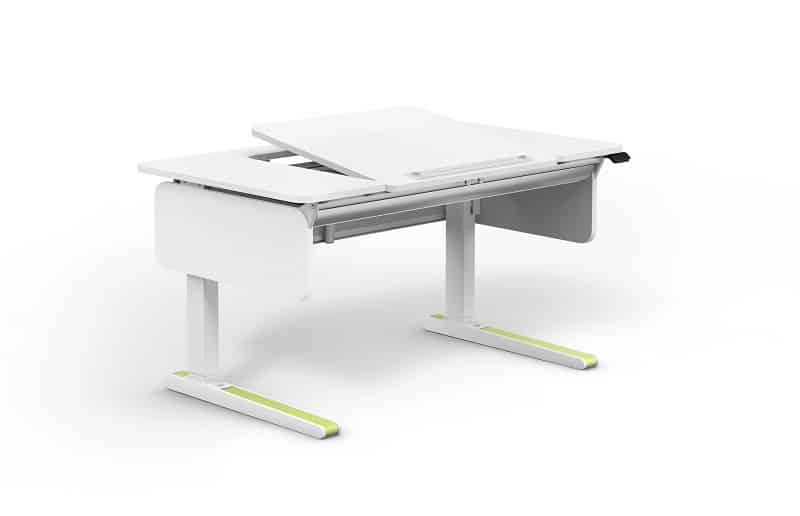
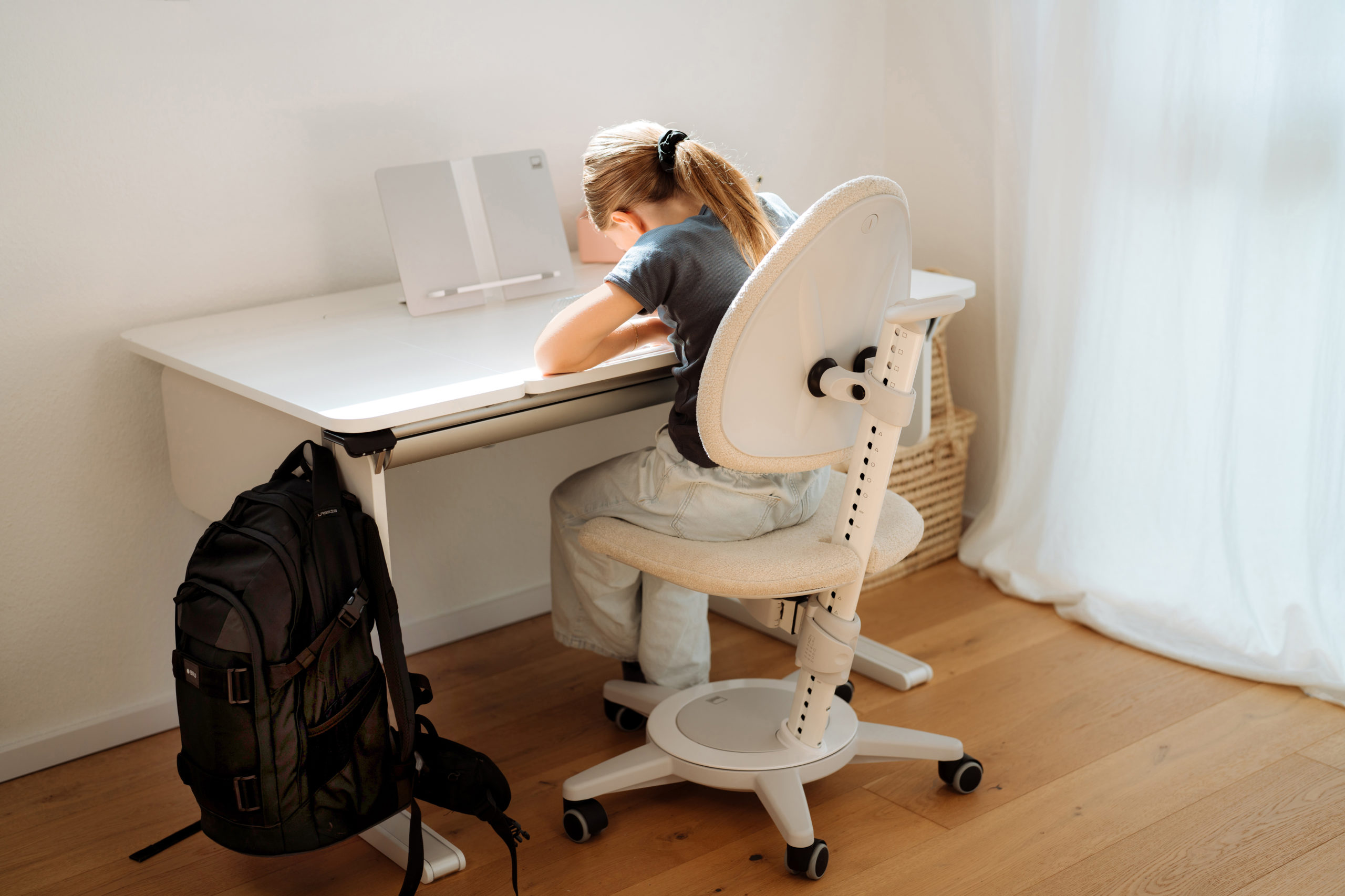
Children's furniture should not only be functional, but also flexible so that it can grow with the child. A good desk is height-adjustable and offers adjustment options such as a tilting surface that makes sitting and learning easier. Alternating between sitting and standing helps to improve posture and avoid muscle tension. Ergonomic swivel chairs with adjustable backrests relieve pressure on the spine and ensure comfort.

Moll offer many customization options, such as interchangeable colors and expansion options for more storage space. They are designed to be used from elementary school through high school. Regular adjustment of table height and chair is important because children grow quickly. For more tips on proper adjustment, see our YouTube video.

Where is the ideal workspace in the children's room?

The ideal location for the first desk should be bright - preferably right next to a window. This provides sufficient light and the child has a pleasant view. If the desk is positioned at right angles to the window, care should be taken to ensure that the child's writing hand does not cast a shadow on the paper. It is particularly important whether the child writes with the right or left hand in order to find the best angle.

Good lighting at the learning station
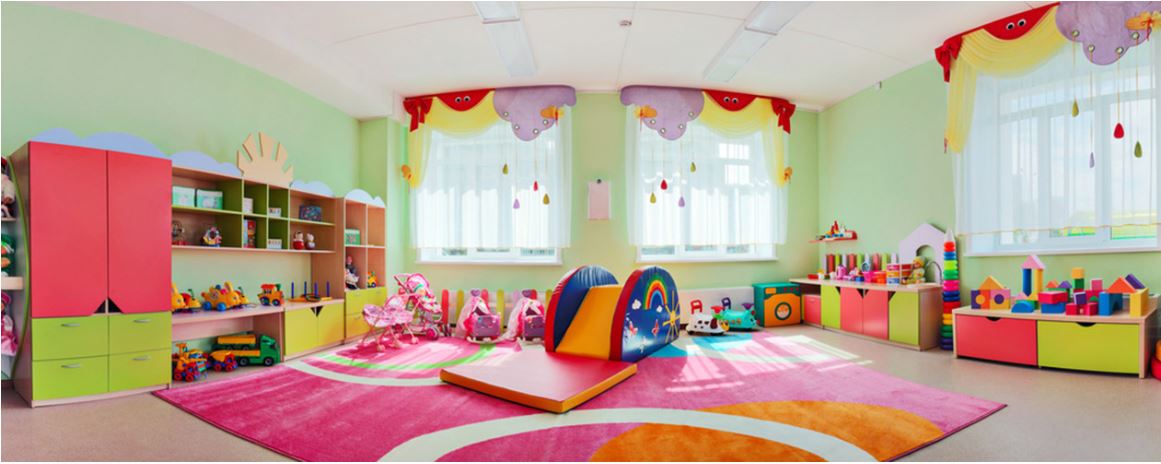
Good lighting is essential, especially in the darker months. Even if the desk is ideally positioned by the window, an additional desk lamp is essential.

The lamp should be bright enough, but not dazzling, and emit a pleasant, cozy light. A clamp lamp or a classic floor lamp are good options. It is important that the lamp is flexible so that the light can be optimally directed to create an ideal working atmosphere.

Motivating the next generation with color design and individual furnishing solutions

Pink for girls, blue for boys - is that really necessary? Colors have a strong influence on the room effect and well-being. With a well thought-out color concept, the room can be visually enlarged or reduced: light colors create space, while dark tones create a cozy, secure atmosphere.

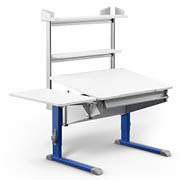
Children often change their favorite color. If you want to adapt to these changing preferences, it is better to use colors in accessories rather than in fixed furnishings. Desks such as the moll Champion a flexible solution: the colors of the runners, handles, and caps can be easily changed so that the desk always matches the current favorite color. It is also possible to design the side panels in different colors – from light green to lilac – so that the desk can be customized at any time.


The choice of color in the children's room and its effect

Katharina Holzer, interior designer at "kinderzimmerei", recommends using a highlight color sparingly and selectively in the basic color scheme in the children's room instead of using it over a large area. Toys and books already bring enough color into the room. A calm atmosphere is created when these are stored in closed boxes.

For a harmonious and pleasant room effect, Holzer recommends restrained colors for walls, floors and furniture. A combination of white furniture and wall colors in soft shades such as warm grey or cream creates a fresh and harmonious atmosphere.

The optimal color scheme for the learning space?
Katharina Holzer explains that there is no fixed rule for the choice of color in the different zones of a child's room. Although a dark blue can have a relaxing effect in the sleeping area, it should only be used sparingly or avoided altogether if the floor is dark.

A calm light gray is a good base color, especially around the learning area. Here, the atmosphere can be spiced up with yellow surfaces and accents in orange, creating a sunny and warm mood.

Always make sure there is enough storage space and storage options in the children's room!

When school starts, lots of new things move into the children's room: Books, exercise books, paper, pens, satchels and more. This often leads to creative chaos - toys on the floor, piles of cushions and blankets. What passes for tidiness for children is often seen differently by parents. But tidiness can be learned, says tidiness expert Ursula Kittner from Düsseldorf. She helps families to create structures and reduce unnecessary clutter.

Ursula Kittner explains: "Parents should not impose their own idea of order on their children, but encourage them to develop their own system. This also strengthens other areas of life." Small basic rules such as "close doors and drawers again" or "everything has its fixed place" create the basis.

Clever use of storage space
Children's rooms benefit from intelligent organization: toys should be easily accessible, for example in labeled boxes. This makes tidying up easier and helps children keep an overview. Schoolchildren need clear structures in the workplace. Work materials belong near the desk - in drawers, shelves or mobile containers. These not only offer plenty of storage space, but can also be moved around flexibly.

The school bag, a central element in everyday life, should also have a fixed place. A hook on the desk ensures that it is not lying around everywhere and is always ready to hand.

Updating...
  • There are no products in the shopping cart.