What is the right size for my children's desk?
Just the right thing for all space requirements
The perfect dimension for all room sizes
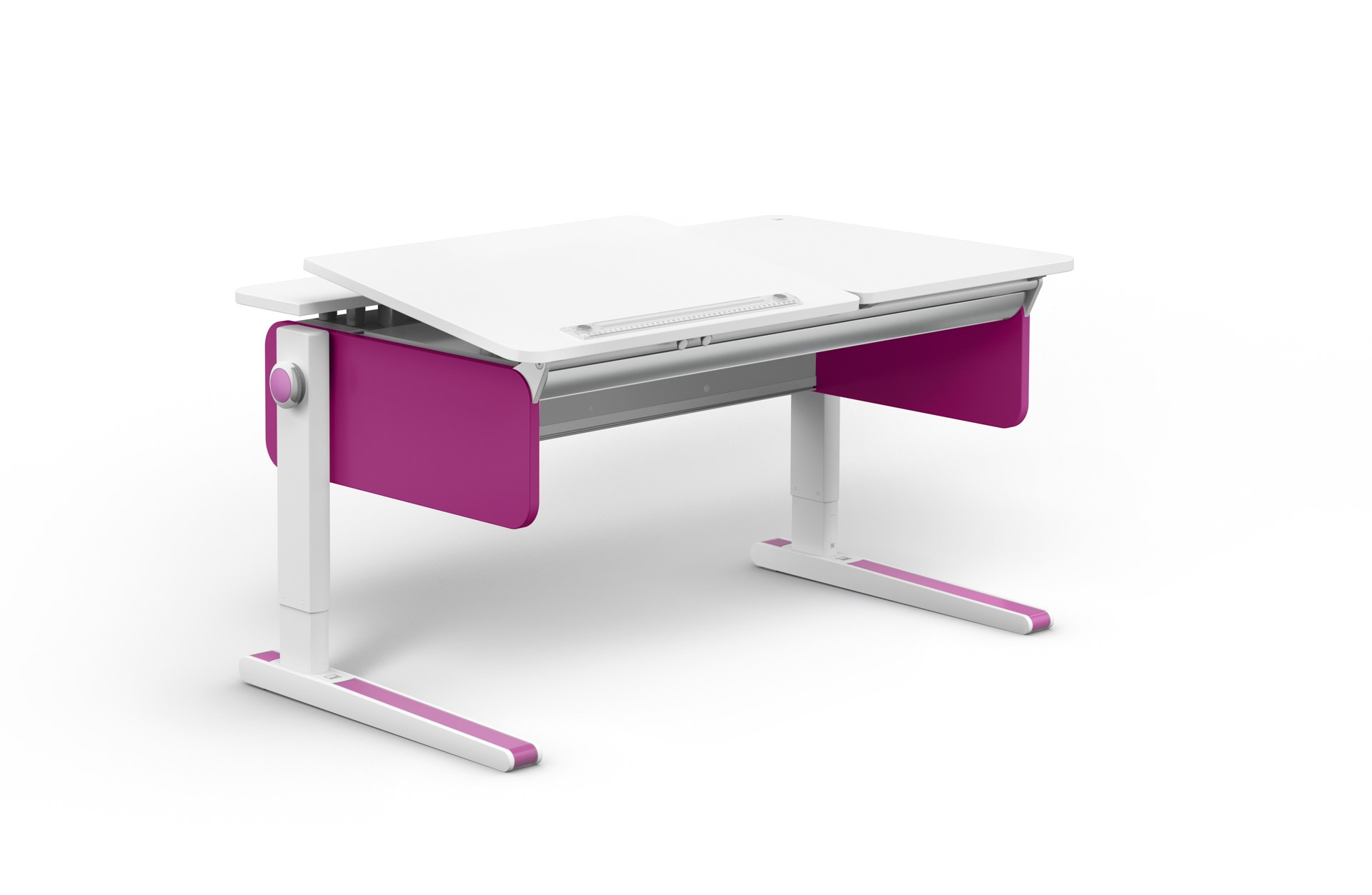
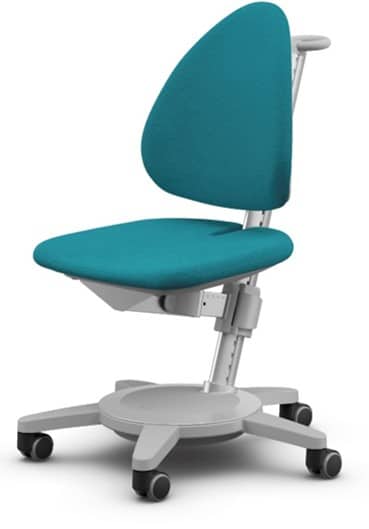
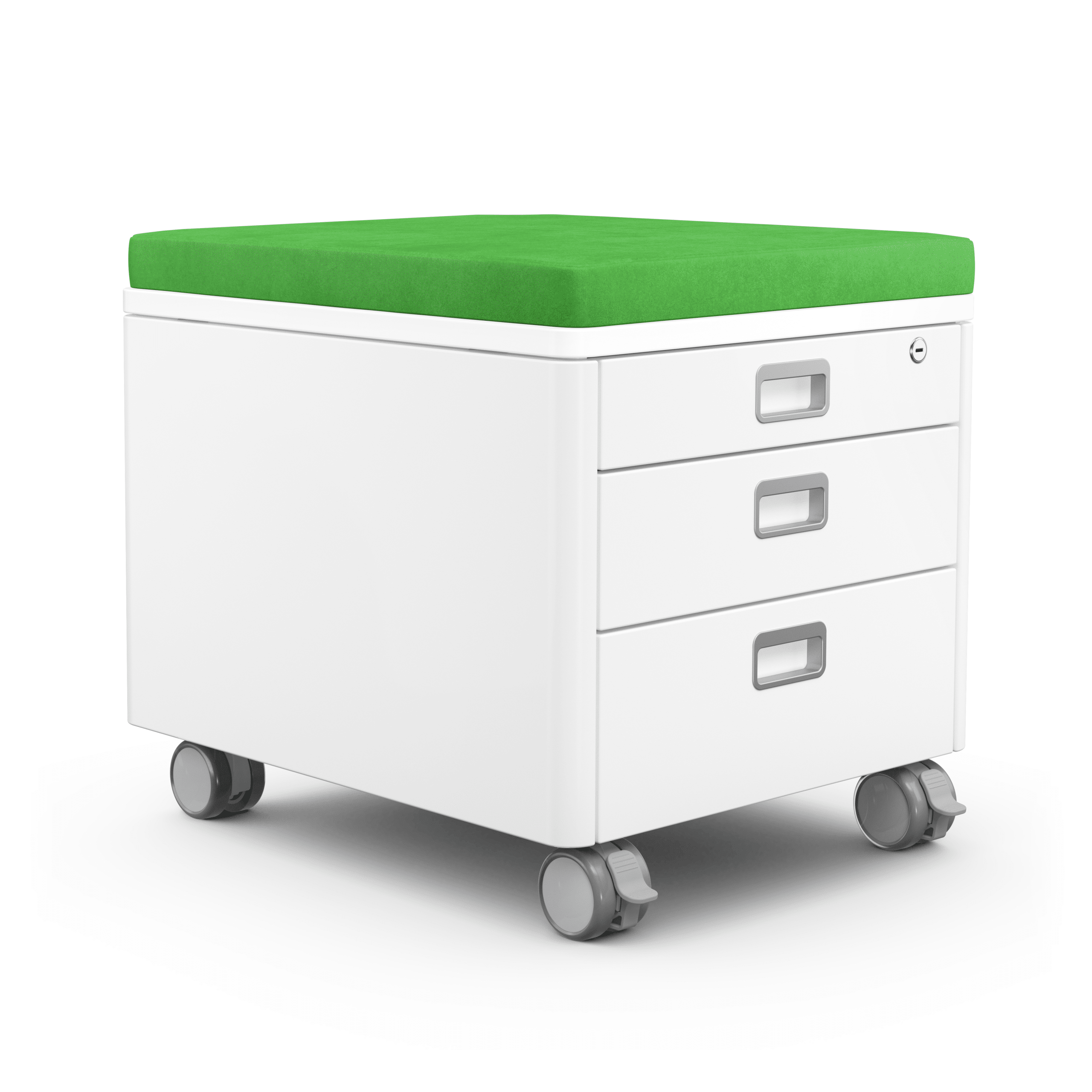
A desk is the central piece of furniture in children's rooms. This is especially true for small rooms. For this reason, it is important to choose the right size of children's desk carefully. After all, it has functions and tasks to fulfill. The children's desk is the place to be for your child; here your child can play, do crafts, but also learn and do their homework. To make perfect use of the space in the children's room and offer your child enough space for their needs, moll has developed moll that can be adapted to the requirements and conditions of any room while also offering your child everything that can be expected from a modern and ergonomic children's desk.
From classic to compact - maximum flexibility
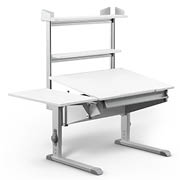
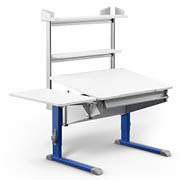
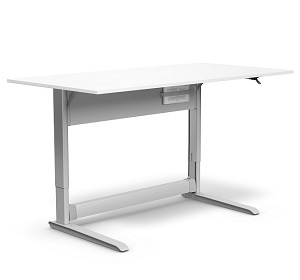
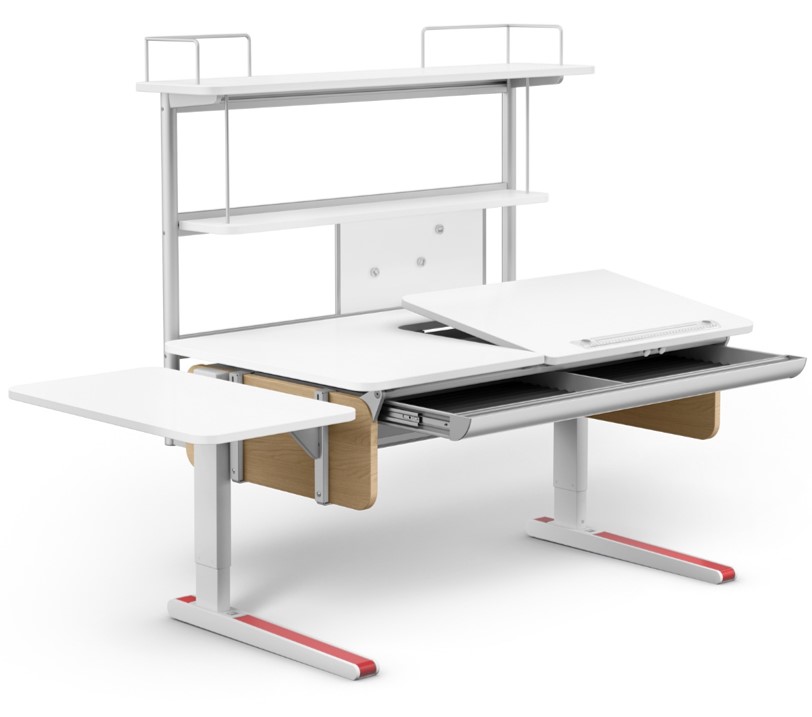
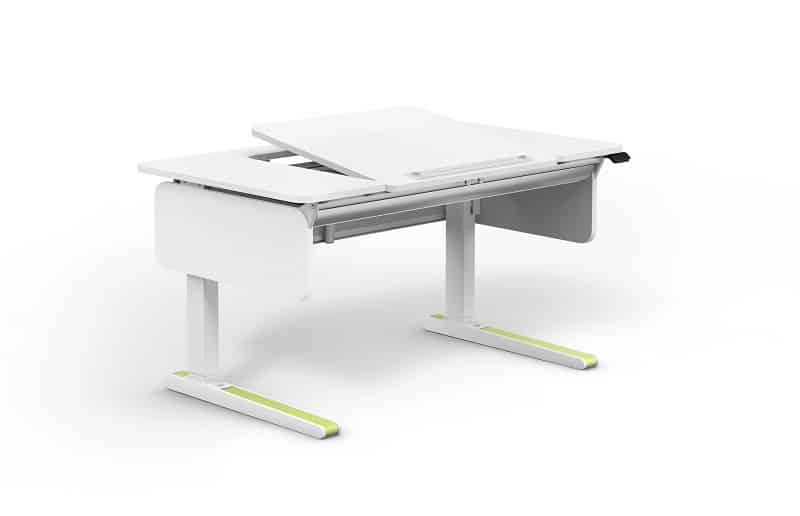
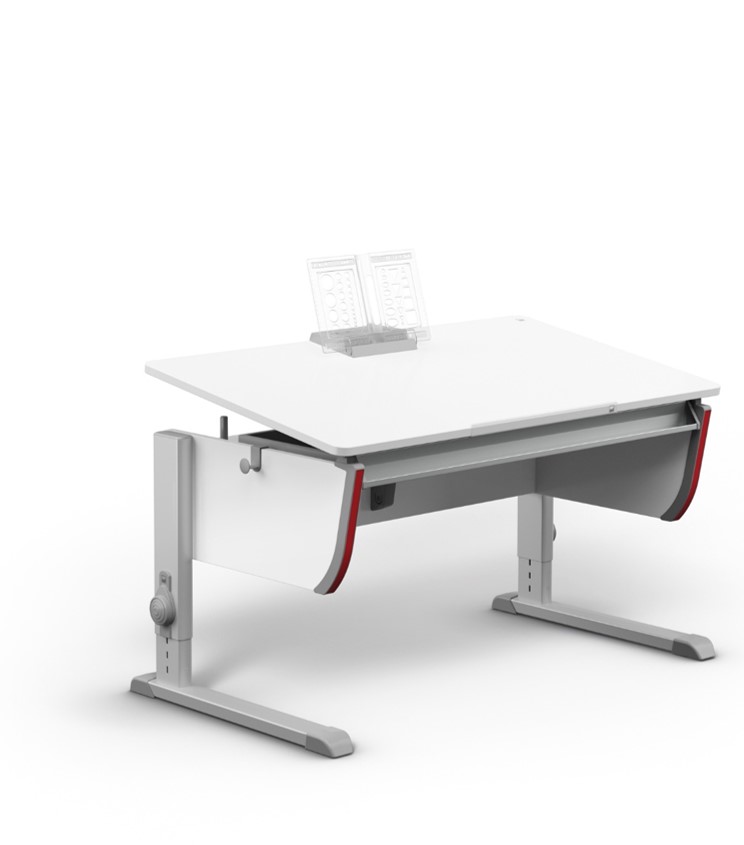
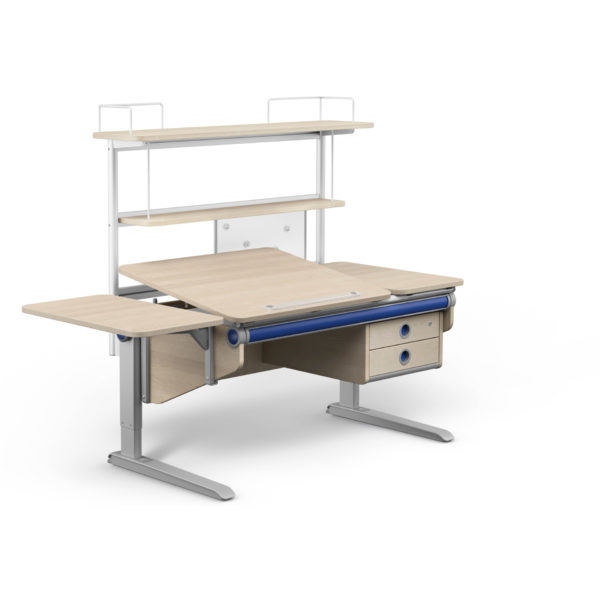
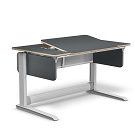
For example, the "compact" version from moll, which, with a tabletop width of approx. 90 cm, is ideal for small children's and teenagers' rooms. The classic model of a children's desk from moll more space and room with a tabletop width of approx. 120 cm if the children's room is larger. But conditions in a child's room can change. Furniture is removed and replaced; the room layout changes. That's why moll are designed to be as flexible as possible. This means they can be expanded as needed to increase the space for learning and playing later on. That's what makes moll so unique – just like your child.
Children's desks from moll with your child
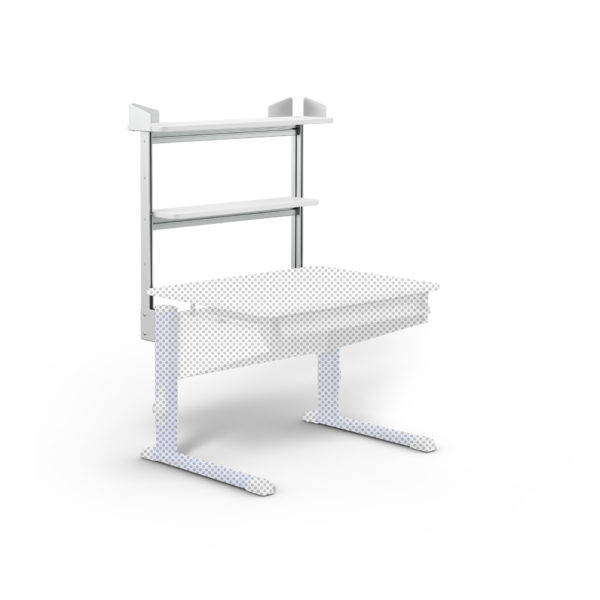
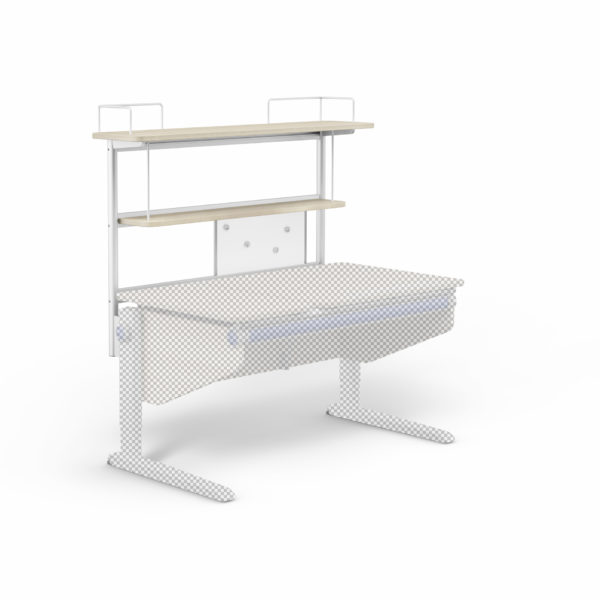
The conditions in your child's room may change. Siblings move out and your child gets a bigger room. Or the children's room becomes a teenager's room. Your moll children's desk simply moll with them. You can respond just as flexibly to your child's changing space requirements by enlarging or reducing the table surface – depending on your child's needs. This is made possible by, among other things, the modular system with which moll has equipped moll children's desks. This gives your child exactly the space they need for their development. Personal preferences are implemented and individual play and learning areas are created – always with the aim of supporting your child individually.