moll: Responsibility for the environment and the future
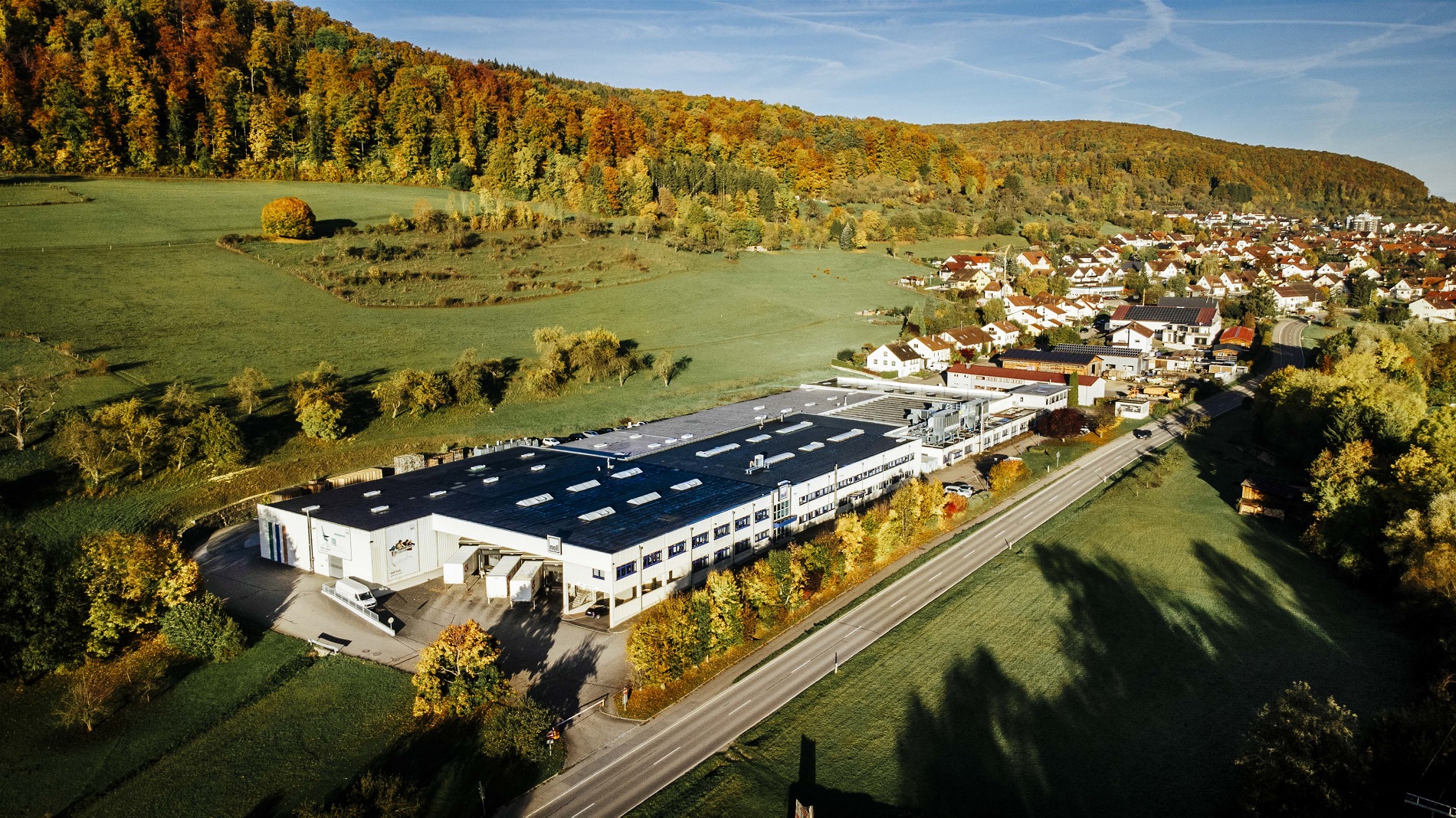
Mitten in der Natur der Schwäbischen Alb produziert moll Möbel. Diese Nähe zur Natur prägt unseren Blick auf den Umgang mit Materialien und Ressourcen. Für Martin Moll ist Nachhaltigkeit ein Thema von großer gesellschaftlicher Bedeutung.
Als Familienunternehmen in der dritten Generation denken wir über den Tag hinaus. Unsere Mitarbeitenden, unser Standort und die Menschen, die unsere Möbel nutzen, stehen dabei im Mittelpunkt. Wir orientieren uns am Leitgedanken des Rats für Nachhaltige Entwicklung, ökologische, soziale und wirtschaftliche Belange gemeinsam zu betrachten.
Highest quality with an eye on the environment
Bei moll betrachten wir die eingesetzten Materialien, ihre Verarbeitung und die Funktionen unserer Möbel im Zusammenhang. Dabei berücksichtigen wir auch den Materialeinsatz in der Produktion. Die geltenden Umweltgesetze und -verordnungen bilden hierfür den verbindlichen Rahmen. Unsere Produkte verbinden funktionalen Nutzen mit ergonomischen Einstellmöglichkeiten.
Wir sind davon überzeugt, dass zu einem guten Produkt auch eine sorgfältige Verarbeitung gehört.
Auch bei der Verpackung spielt die Materialauswahl eine Rolle. Die eingesetzten Papier- und Wellkartonlagen bestehen zu mindestens 80 % aus recyceltem Material. Diese Angabe bezieht sich auf die genannten Verpackungsbestandteile. Bei unseren Möbeln setzen wir auf hochwertige Materialien und sorgfältige Verarbeitung. Ihre Gestaltung ist auf eine möglichst lange Nutzung ausgerichtet.
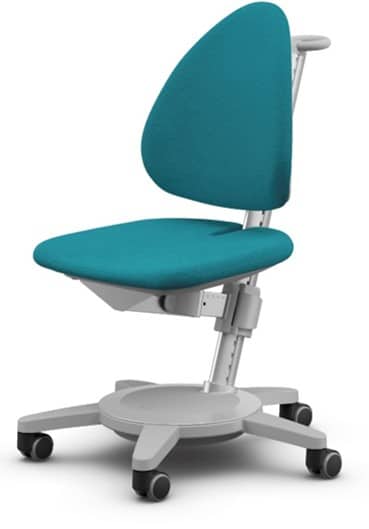
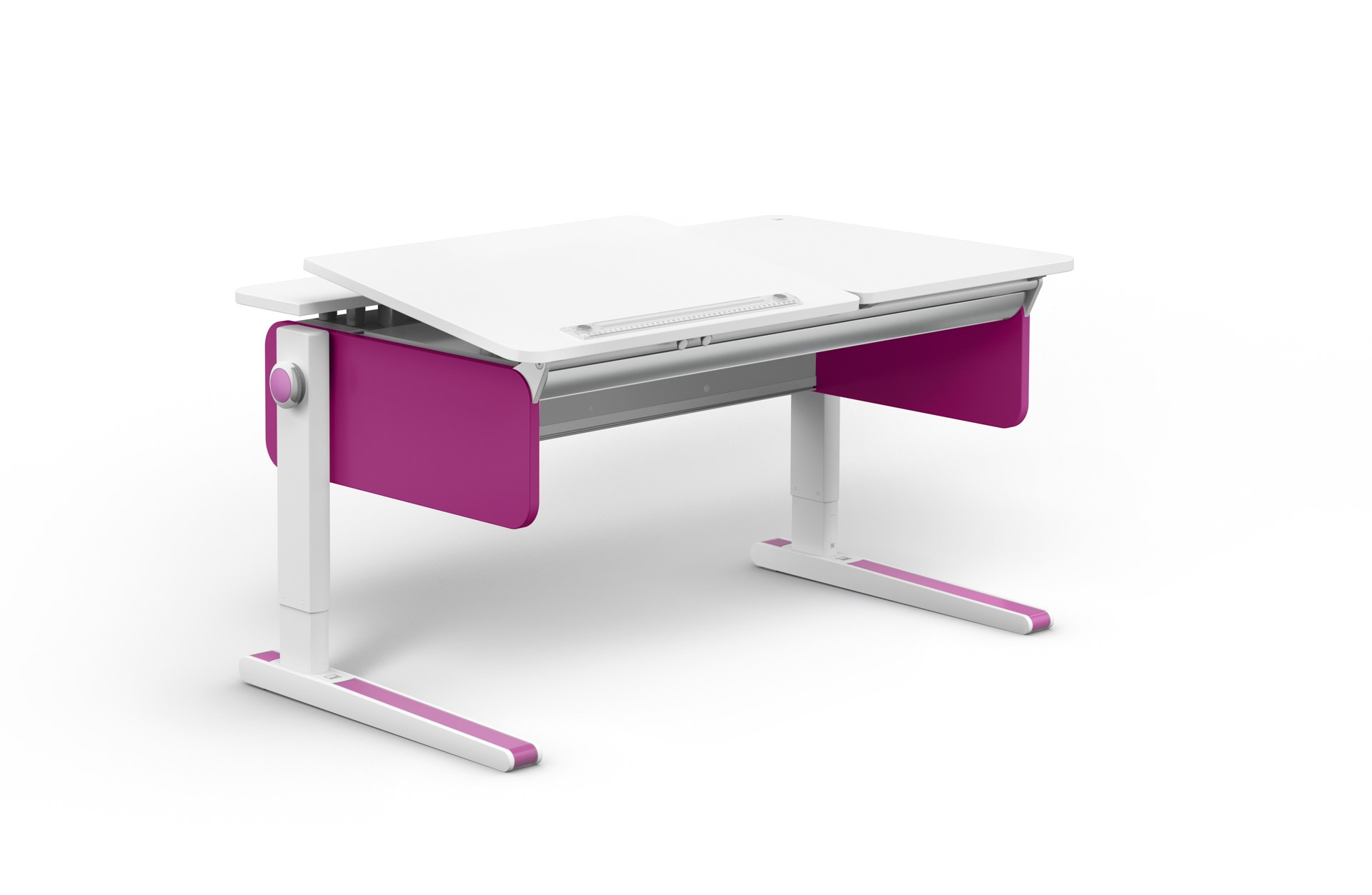
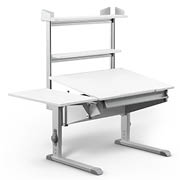
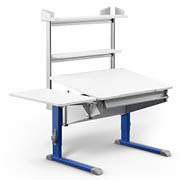
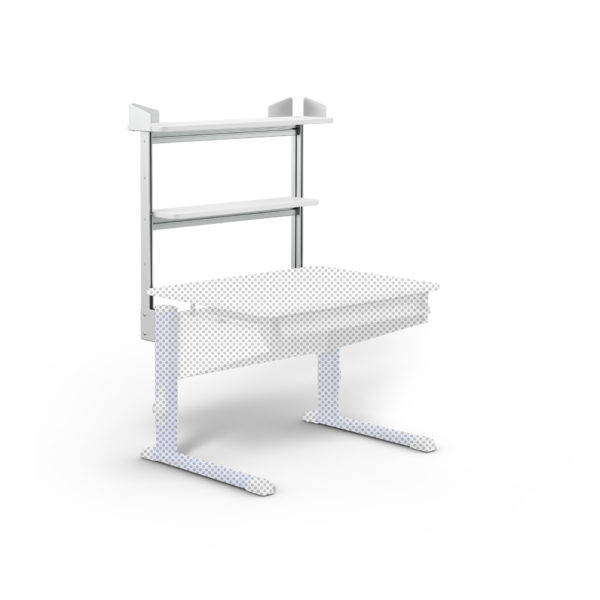
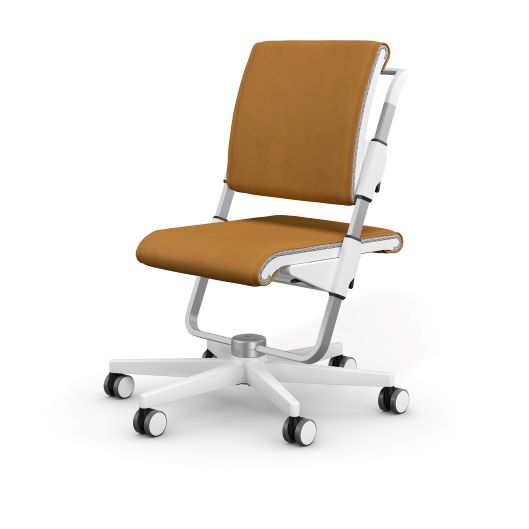
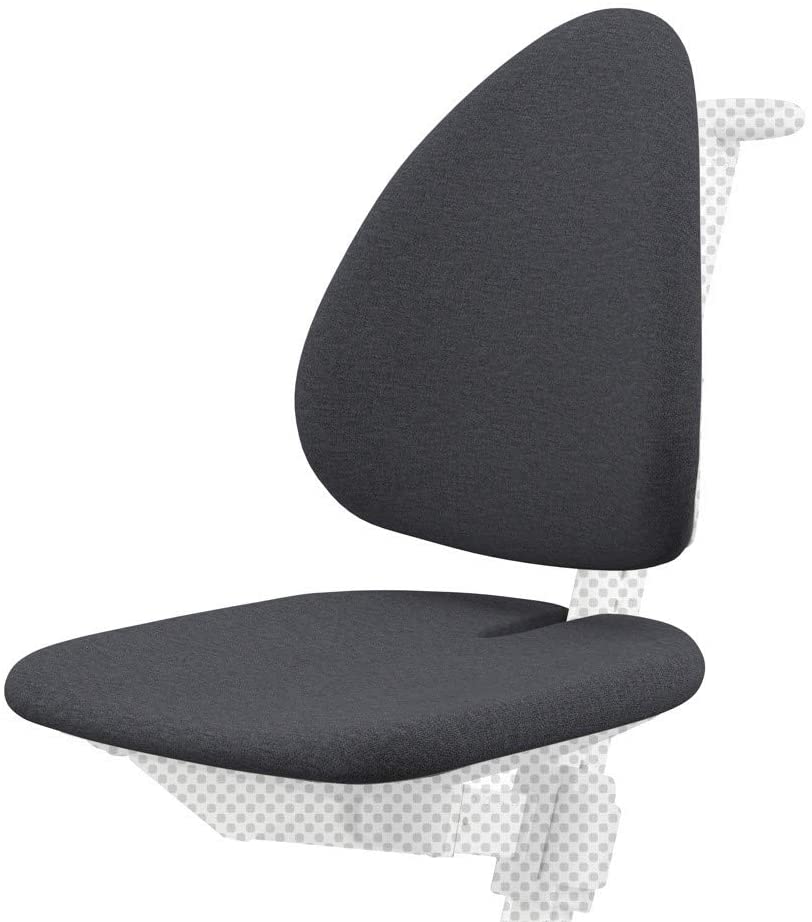
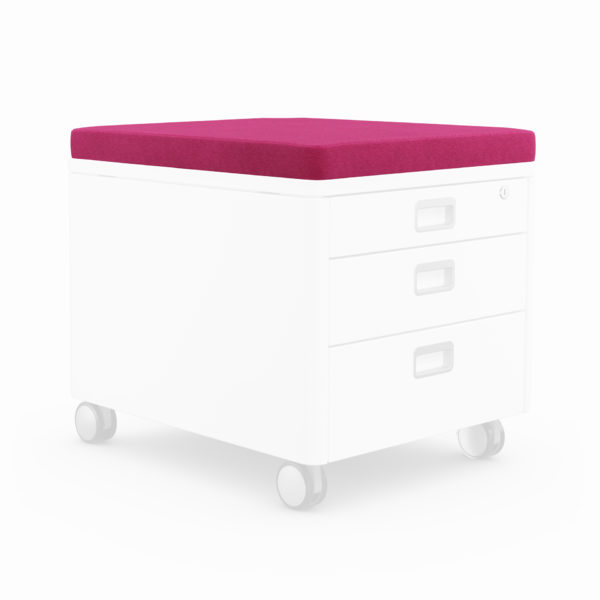
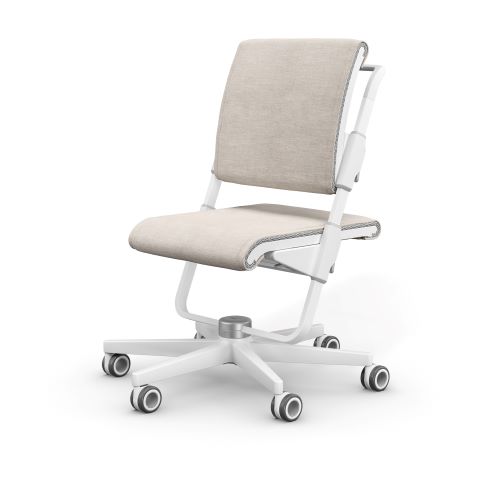
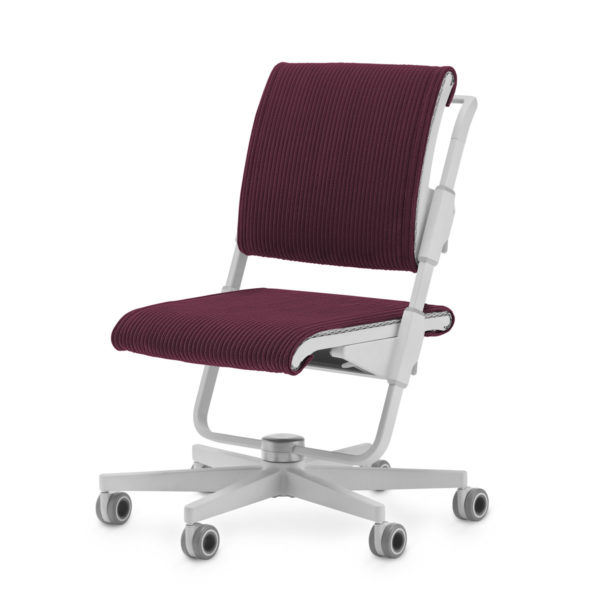
Zeitloses Design, verstellbare Abmessungen und austauschbare Elemente ermöglichen es, die Möbel je nach Modell an veränderte Bedürfnisse und Vorlieben anzupassen. Die jeweiligen Funktionselemente unterstützen eine auf den Nutzer abgestimmte ergonomische Einstellung. Wir fertigen unsere Möbel in Deutschland.

Perfect in detail
Ein bewusster Umgang mit Rohstoffen beginnt für uns beim Einkauf und bei der Verarbeitung. Wir arbeiten dabei mit lokalen Produzenten zusammen und berücksichtigen materialbezogene Gütesiegel. Ob Materialien nach der Nutzung wiederverwendet oder recycelt werden können, hängt vom jeweiligen Bauteil, seiner Zusammensetzung und den verfügbaren Verwertungsverfahren ab.
In unserer Produktion kommen je nach Bauteil unterschiedliche Beschichtungen zum Einsatz, darunter Acryl-, Pulver- und UV-Lacke. Die Auswahl richtet sich nach dem Material und den Anforderungen an die jeweilige Oberfläche. Materialien, deren Herstellung einen hohen Energieaufwand erfordert, setzen wir gezielt und sparsam ein, beispielsweise als gestalterische Akzente an sichtbaren Stellen.
Ausgewählte moll Modelle sind mit dem Blauen Engel ausgezeichnet. Das Umweltzeichen bezieht sich auf die jeweils erfassten Produkte und die dafür geltenden Vergabekriterien. Das GS-Zeichen steht für geprüfte Produktsicherheit. Beide Zeichen haben unterschiedliche Prüfgegenstände und helfen, die jeweiligen Produkteigenschaften einzuordnen. Maßgeblich ist die Auszeichnung des konkreten Modells.
Alle moll Produkte mit Auszeichnung finden sie hier zertifiziert: Blauen Engel, dem FSC Siegel und dem GS-Zeichen.
Life sentence for moll
Ein moll Möbel ist auf eine langfristige Nutzung ausgelegt. Seine Anpassungsmöglichkeiten können dazu beitragen, dass es auch bei veränderten Bedürfnissen weiter genutzt wird. Gut erhaltene Möbel können weitergegeben oder als Second-Hand-Stück genutzt werden. Die tatsächliche Nutzungsdauer und der Wiederverkaufswert hängen unter anderem vom Modell, seinem Zustand, der Beanspruchung und der Pflege ab.