Tidiness in the children's room: this makes tidying up child's play!

Parents are the most important role models for their children when it comes to tidiness. Children learn early on by observing and imitating. If parents regularly tidy up themselves and put things back in their place, children often adopt this behavior automatically. Exemplary behavior shows them that keeping things tidy is part of everyday life and is not a chore.
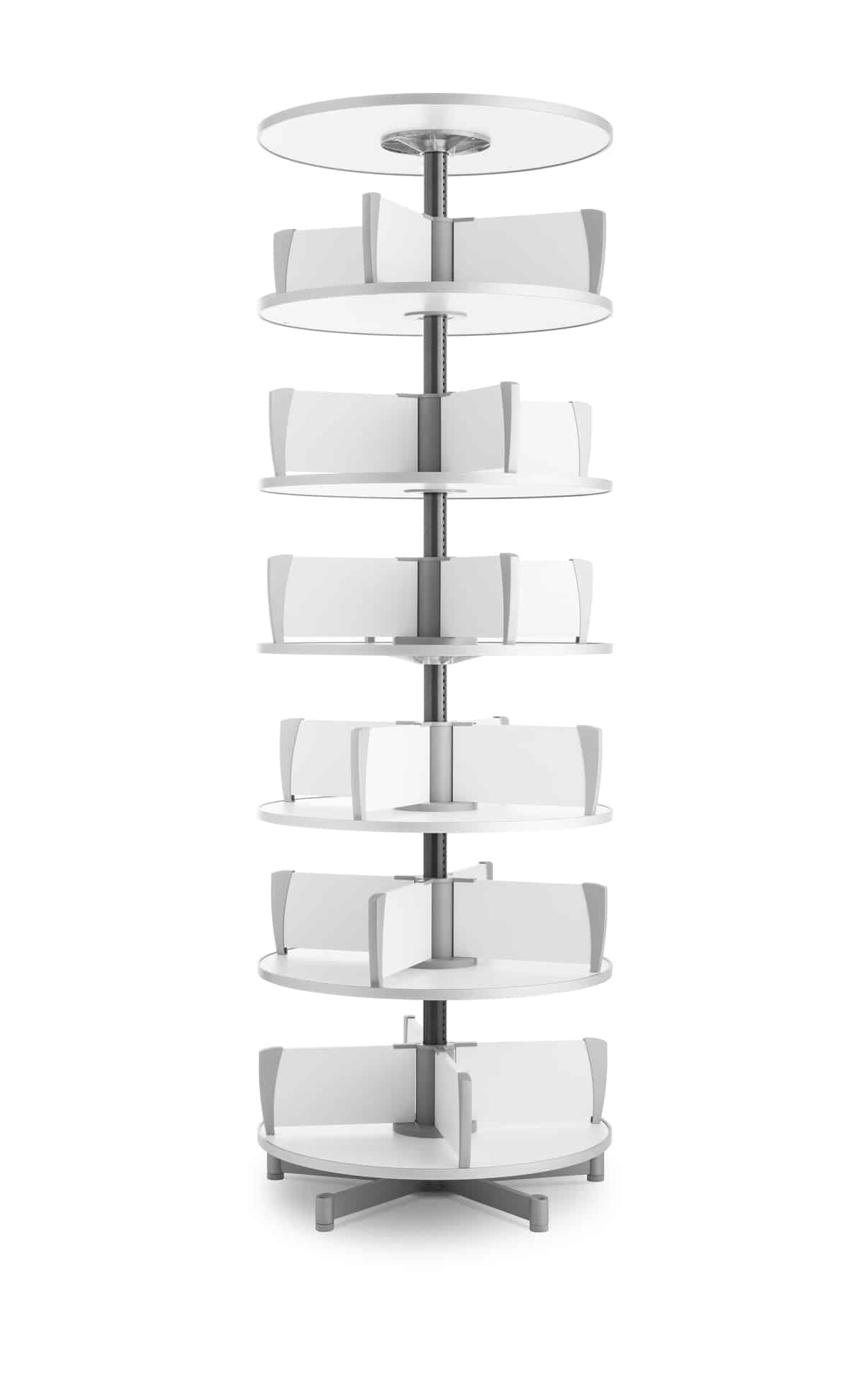
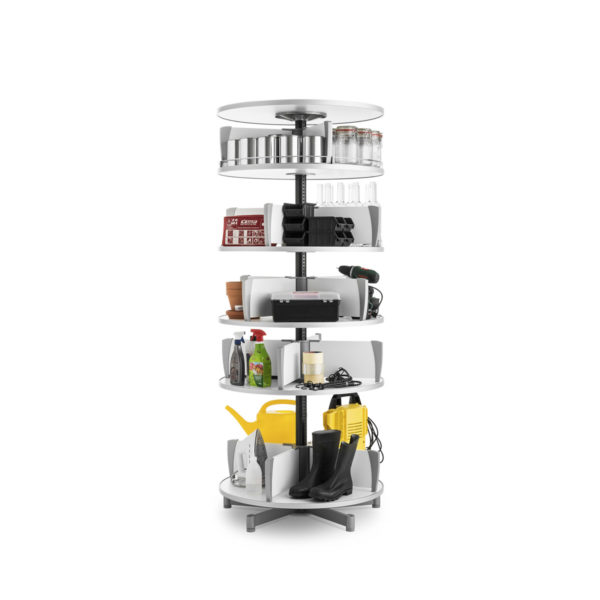
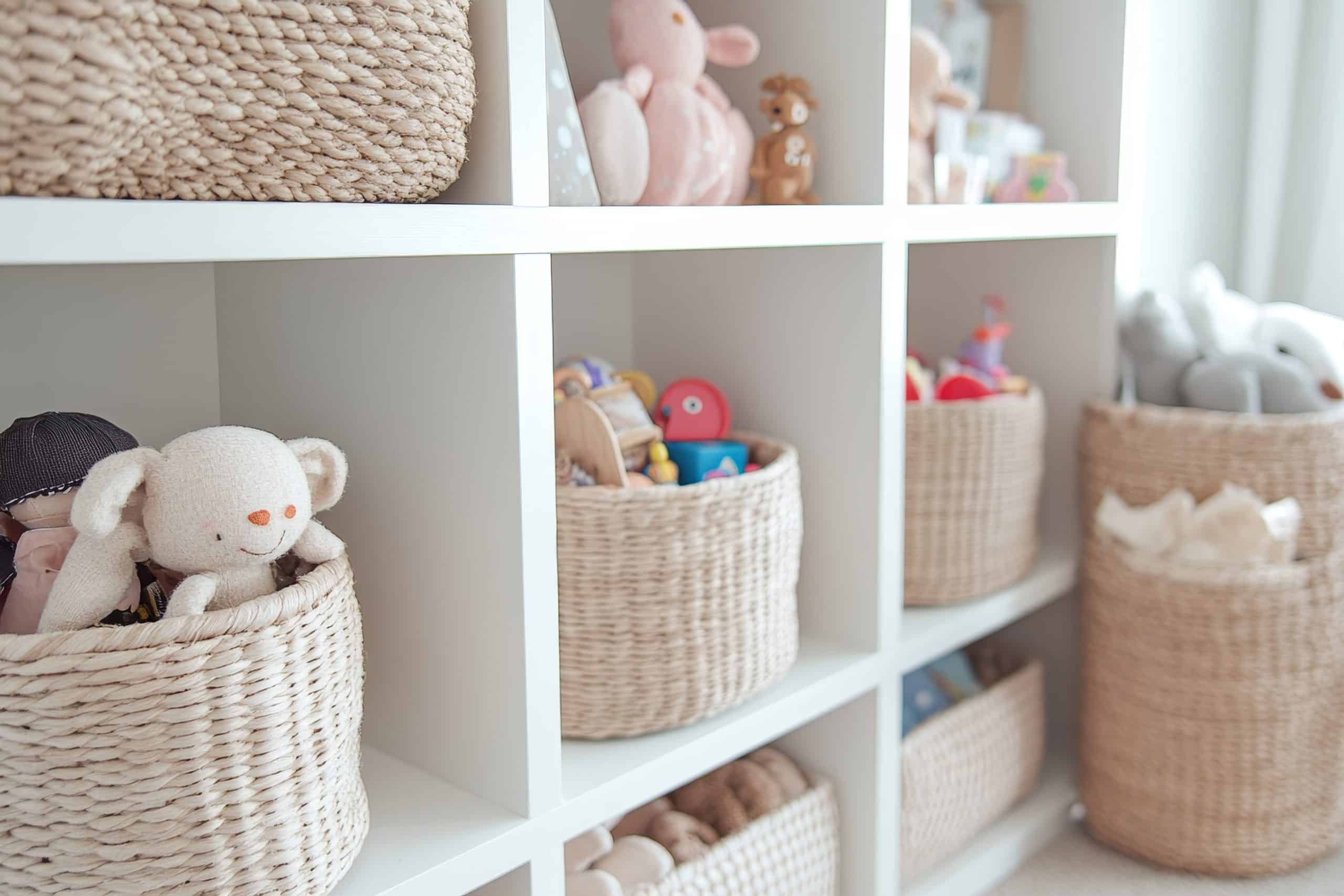
However, there is often a different perception of order in the children's room: toys lie all over the floor, pillows and blankets are piled up - for many children this means "everything is in perfect order". Parents, on the other hand, usually want more structure. They can make tidying up easier with the right furniture. Clear shelves, desks with drawers, clever organization systems and sufficient storage space create the basis for a tidy children's room. If children can tidy up on their own, they often find it less of a chore. By the age of five or six, many children are already able to keep their room tidy on their own, provided the conditions are right.
When furnishing a child's room, parents should look for child-friendly solutions. Shelves and hook rails should be placed at an accessible height and the furniture must be stable and secure. Health and quality aspects also play a decisive role when choosing furniture. A relaxed approach to occasional "creative chaos moments" - such as Lego bricks lying around or small piles of clothes - takes the pressure off and ensures that children enjoy organizing their surroundings. This teaches them that tidiness is not just a duty, but also a personal responsibility that can be fun.
How can tidying up be learned?
Who hasn't wished that children were naturally tidy? "That remains a pipe dream," says tidiness expert Ursula Kittner from Düsseldorf. "Nobody is born tidy. Everyone develops their own tidiness system over the course of their lives - and it can differ from others as long as it works." Parents should therefore motivate children to find their own system instead of forcing their own on them.
Here are a few tips on how to make tidying up fun:
-
- Guiding instead of just watching: Children need support and guidance. Instead of saying "Tidy up your room", it's better to tidy up together and explain why and how to do it. For example: "Can you help me put the building blocks in the box?
-
- Let them do it themselves: Children love to do things on their own. Even if it takes longer at first - with patience it becomes quicker and more effective.
-
- Use creative aids: Boxes with pictures or colored markings help to keep an overview. A cheerful tidying-up song can make it easier to get started.
-
- Set rules: The next game only starts when the previous one has been cleared away. This keeps everything manageable.
-
- Remain consistent: Parents should remain firm if the child refuses. If they don't tidy up, there will be no new toys.
-
- Less is more: Less accessible toys create order and make the change more exciting. Children are often happy when they rediscover "new" things.

Why are clarity and a good learning atmosphere so important?
For primary school children and adolescents, a tidy room is crucial in order to be able to concentrate better on homework. A well-designed workstation with sufficient storage space makes it easier to keep things tidy - especially if it is located directly at the desk, where learning and work materials are most frequently used.
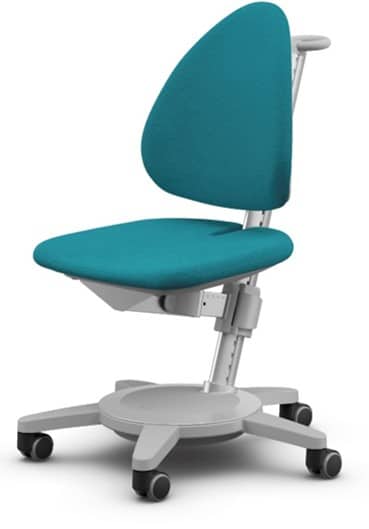
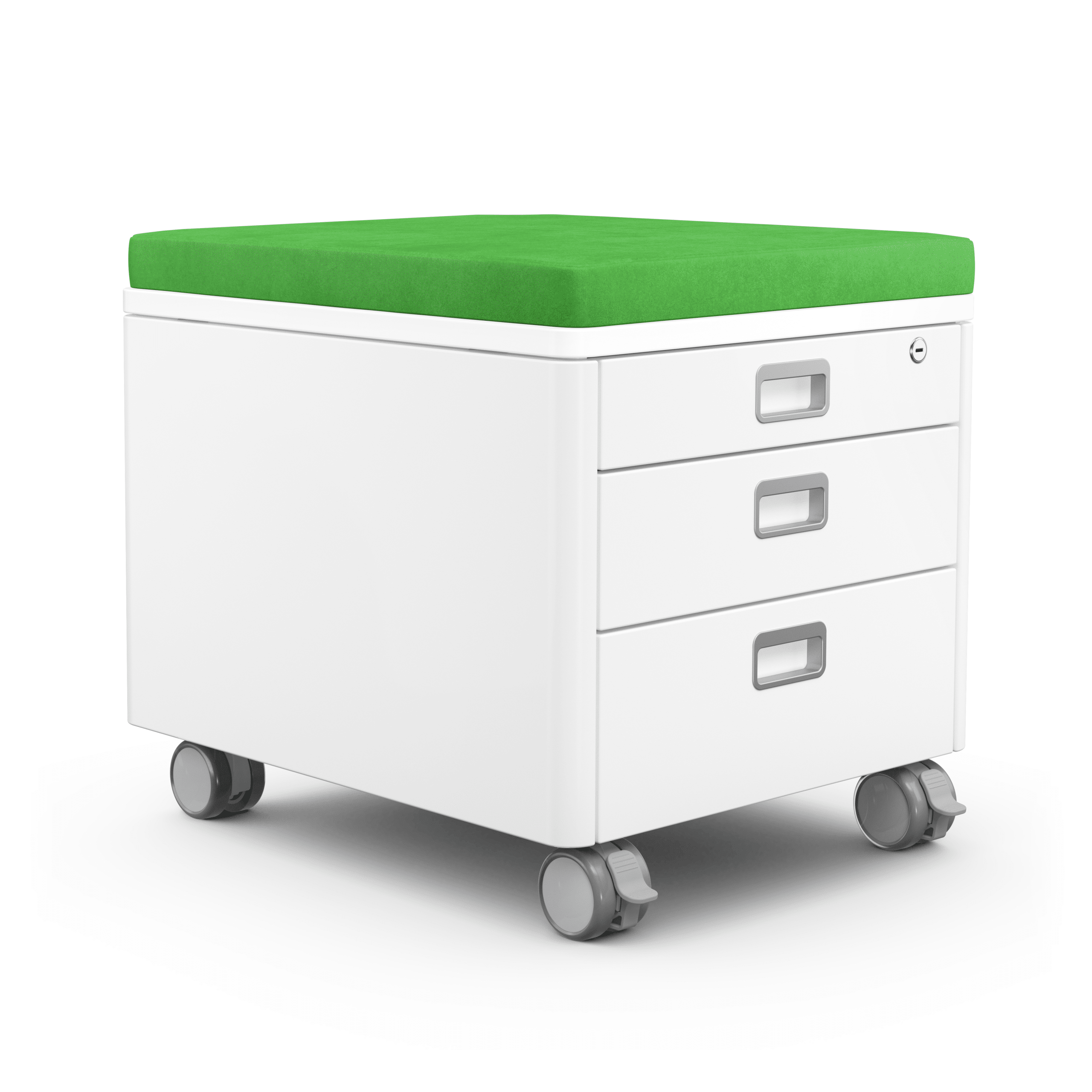
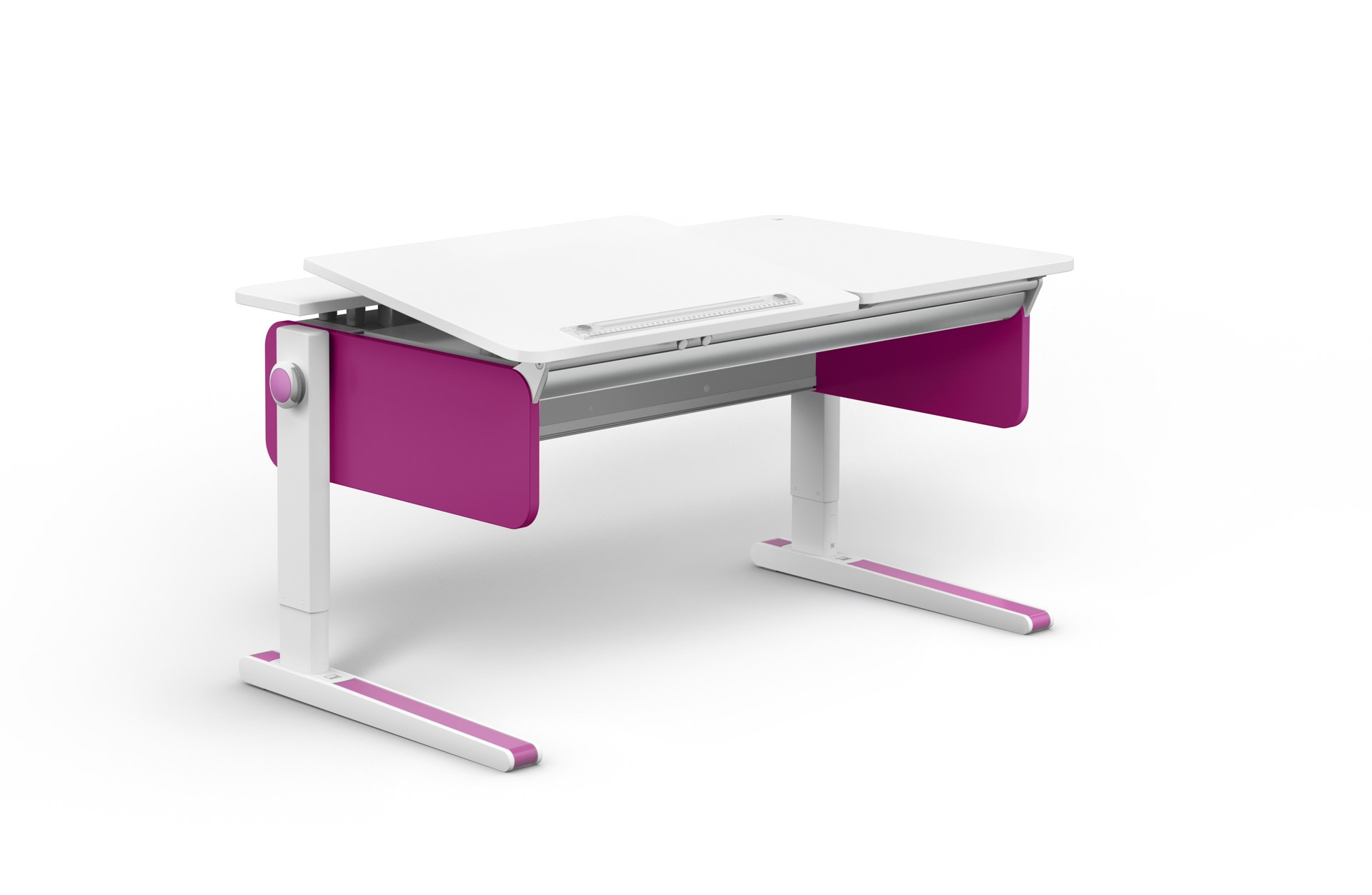
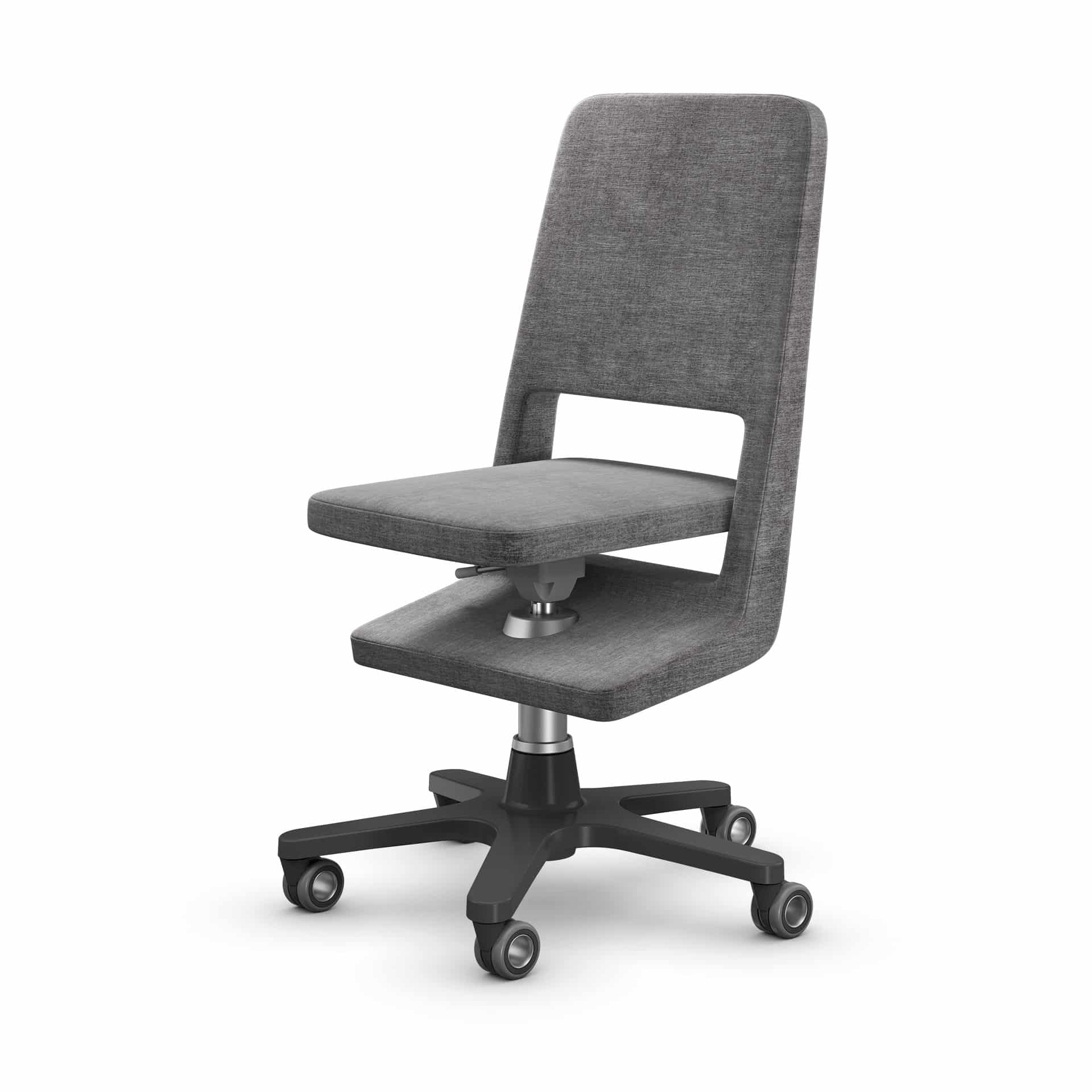
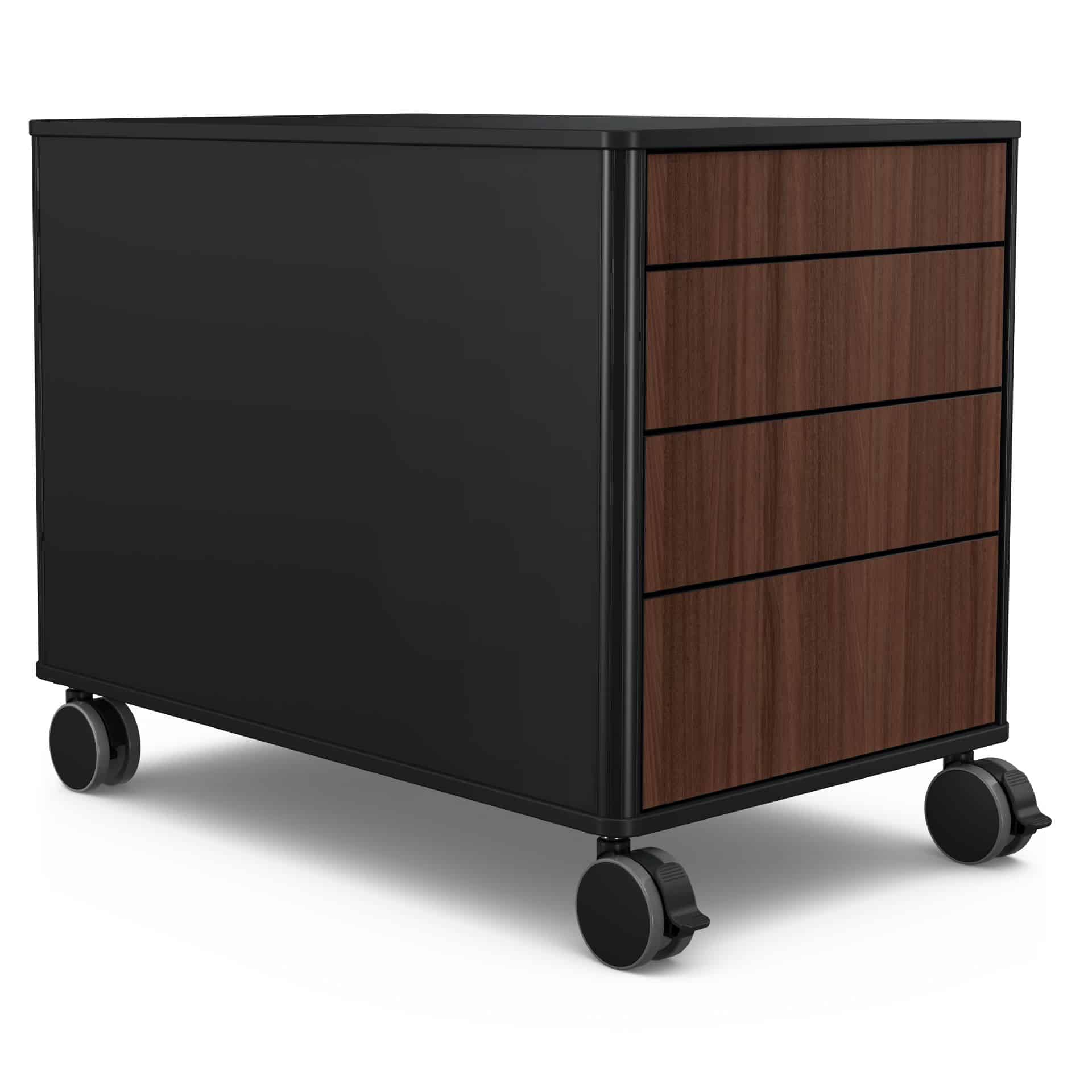
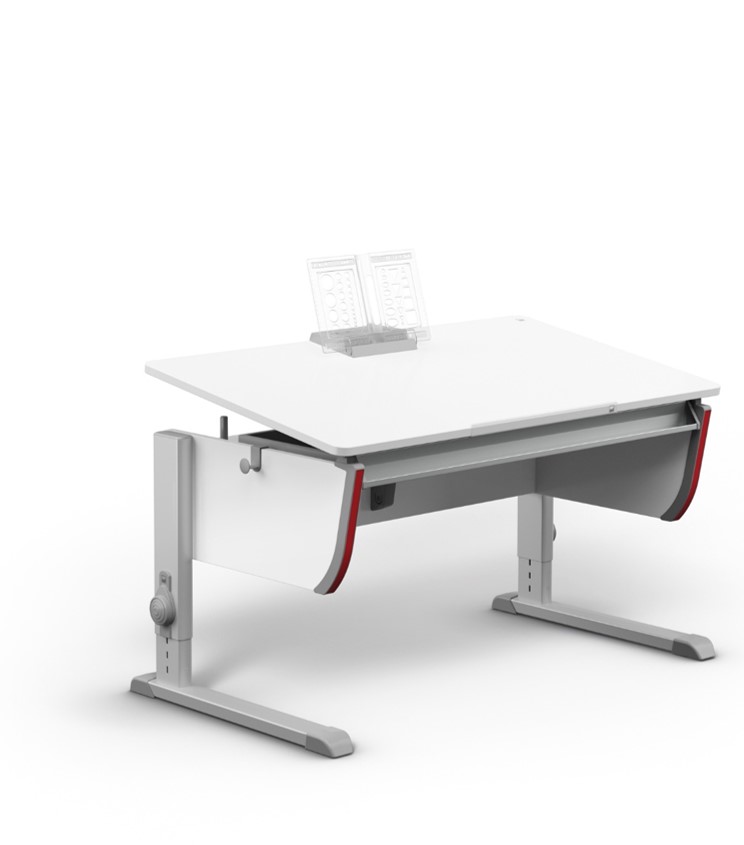
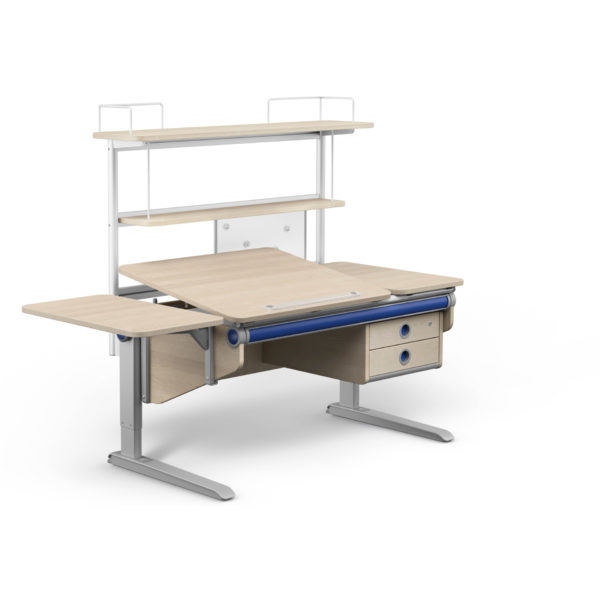
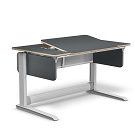
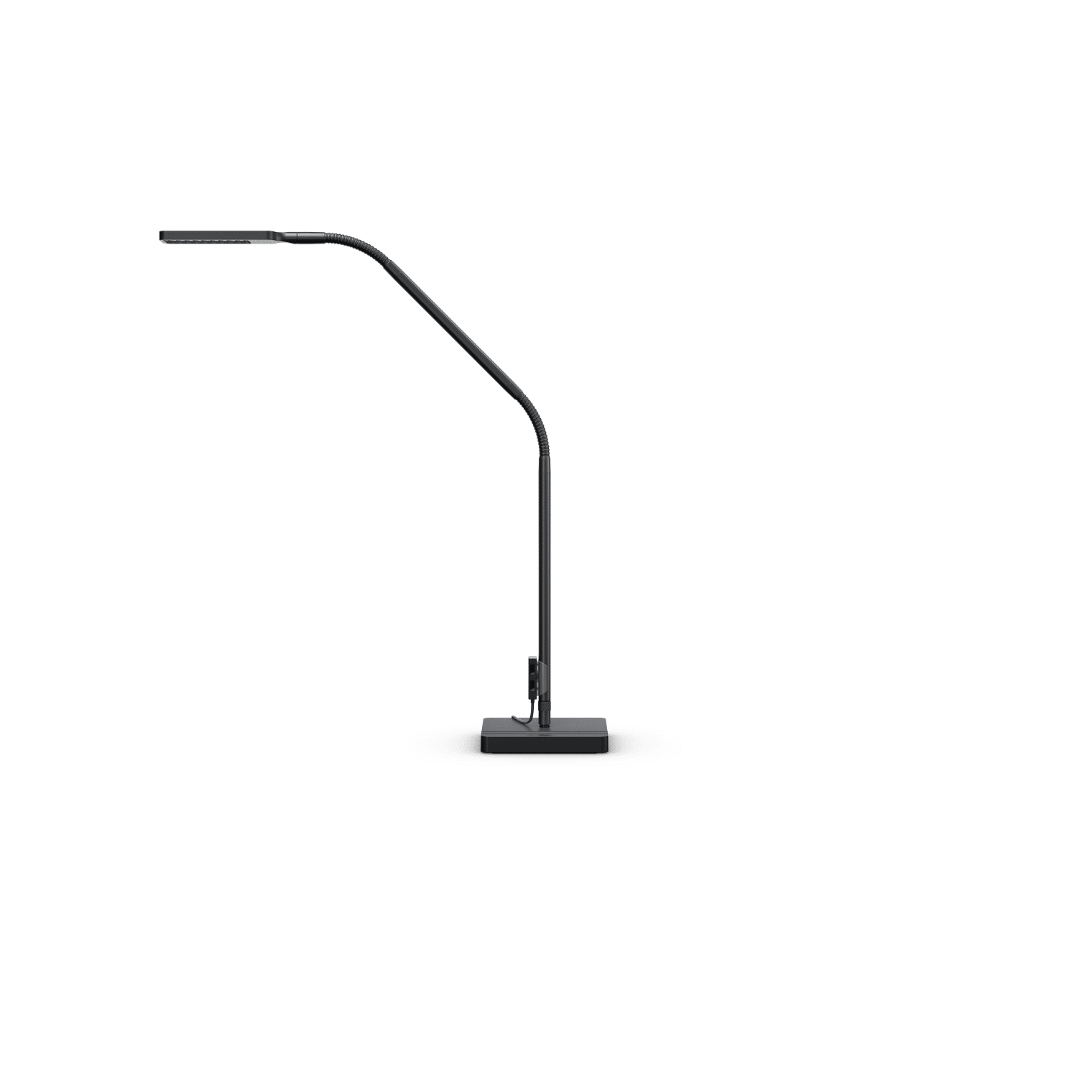
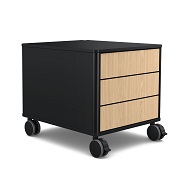
A cluttered desk is distracting and wastes time with tedious searching. This is exactly where moll comes in: with ergonomic desks, clever accessories, and practical add-ons, moll offers solutions that create order and are fun to use. For example, the drawers of moll are not only spacious, but also feature well-designed compartments and the Orgaset, which contains integrated helpers such as pencil sharpeners and tape dispensers. This makes learning more effective—and a tidy workspace becomes a matter of course.


Why is learning at your child's own desk so important?
"Creative chaos" doesn't actually exist, says Ursula Kittner. Most people can't be creative in a mess because they are distracted, constantly looking for something or can't sort their thoughts. Creativity needs space and structure: everything important should be within reach and neatly stowed away. A tidy desk not only motivates you to learn, but also to be creative. If there is not enough space, extensions such as additional table tops, add-on parts or containers can help. It is important that the workstation is well adapted to the child's needs - this promotes healthy and productive learning.
Perfect order at the desk: practical solutions for every schoolchild
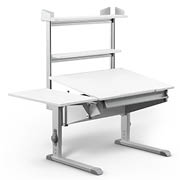
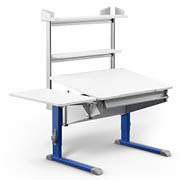
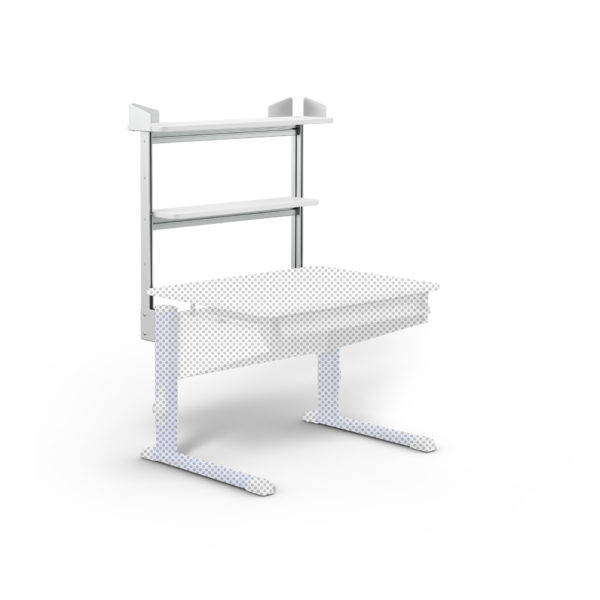
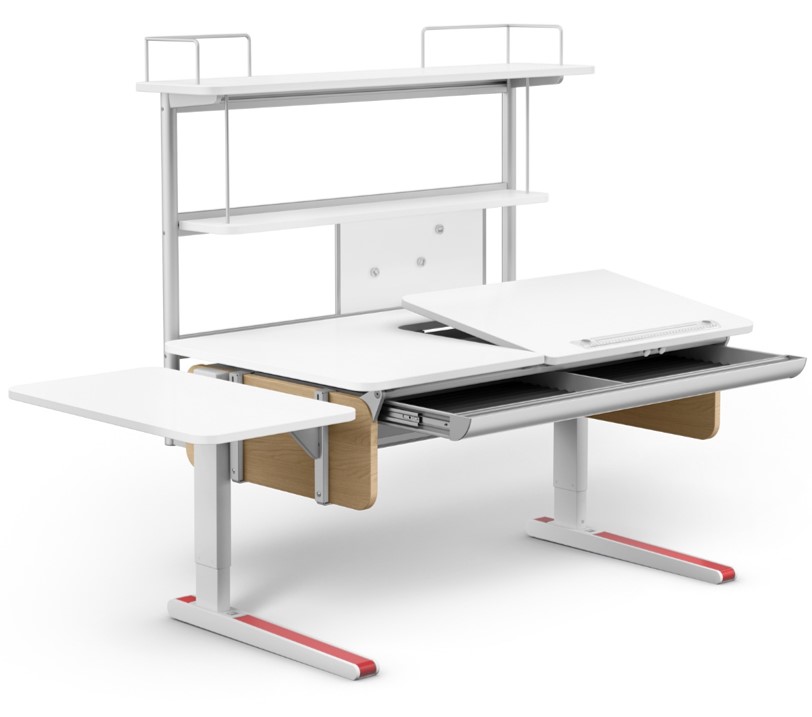
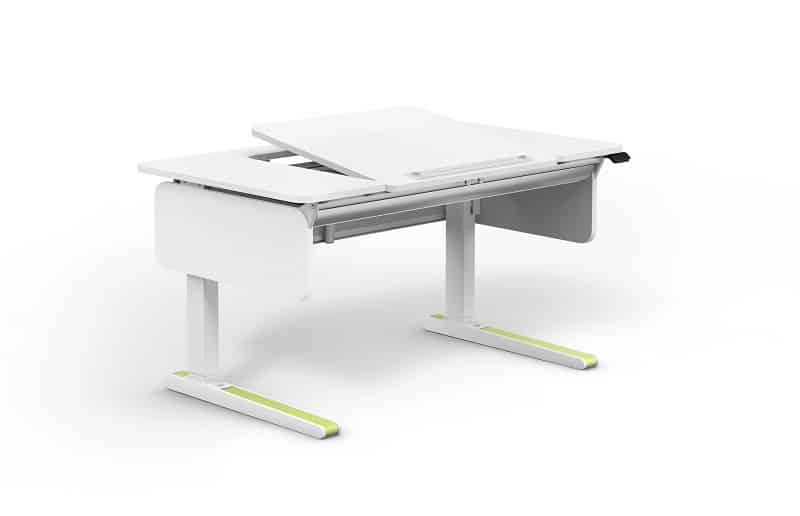
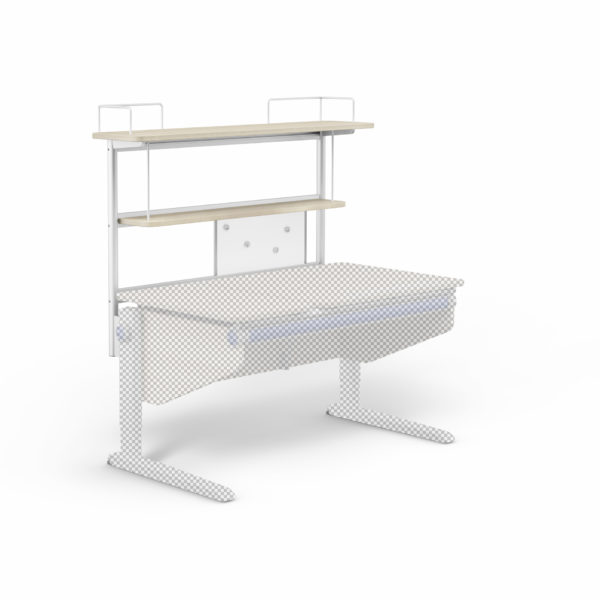
To ensure that school supplies have their own designated place, schoolchildren need sufficient storage space at their desks—ideal for books, notebooks, and learning materials. Desk systems such as those from moll can be flexibly expanded with modules to create exactly the storage space that is needed. Extension panels enlarge the work surface, whether to the left, right, or rear. If you have limited space to the side, you can attach practical storage surfaces with shelf function to the back wall of the table.
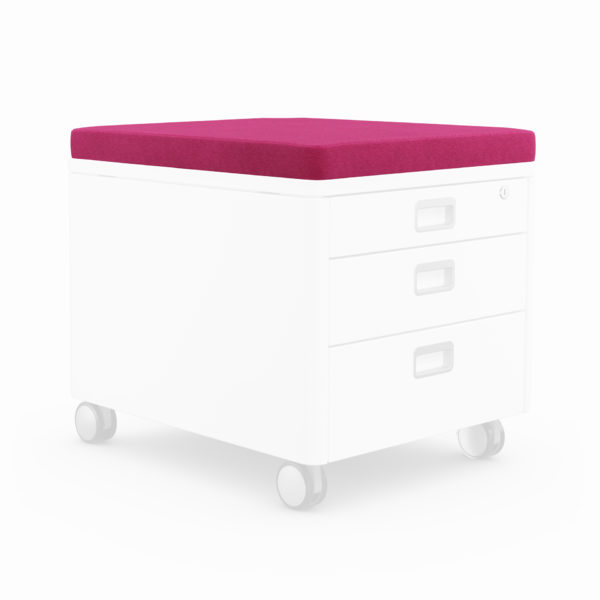
Containers or drawers with clever partitions provide more order: they separate folders, pens, drawing pads and small items from each other. An additional container not only creates mobile storage space, but also provides a better overview, as the interior is perfectly adapted to different materials.
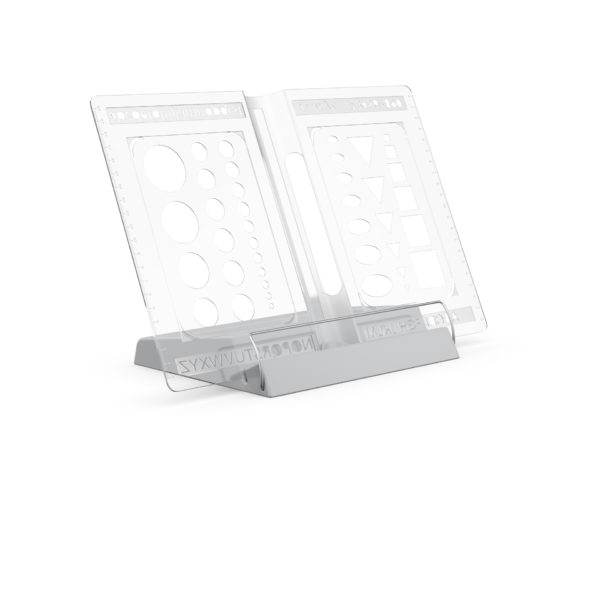
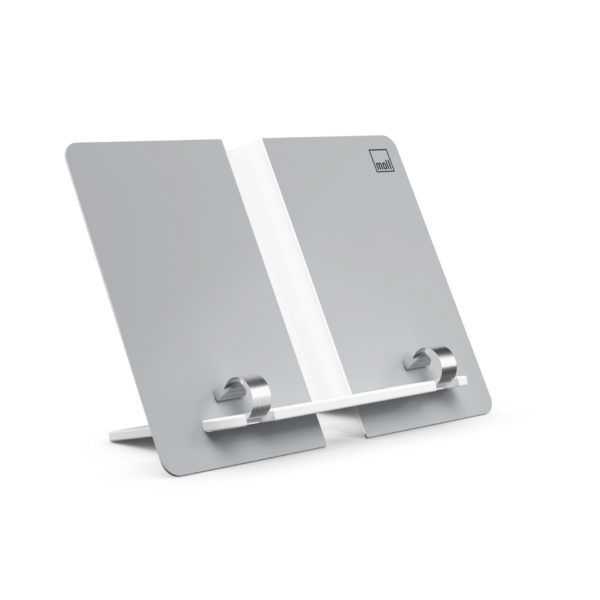
Useful accessories such as bookends, pen holders, and hooks for school bags make the workspace even more practical. Integrated cable ducts prevent cable clutter and tripping hazards—especially important for PC users. With the well-designed extras from moll , your desk will always be tidy and organized, perfect for every stage of learning!