Starting school for first graders - an exciting step into the new phase of life
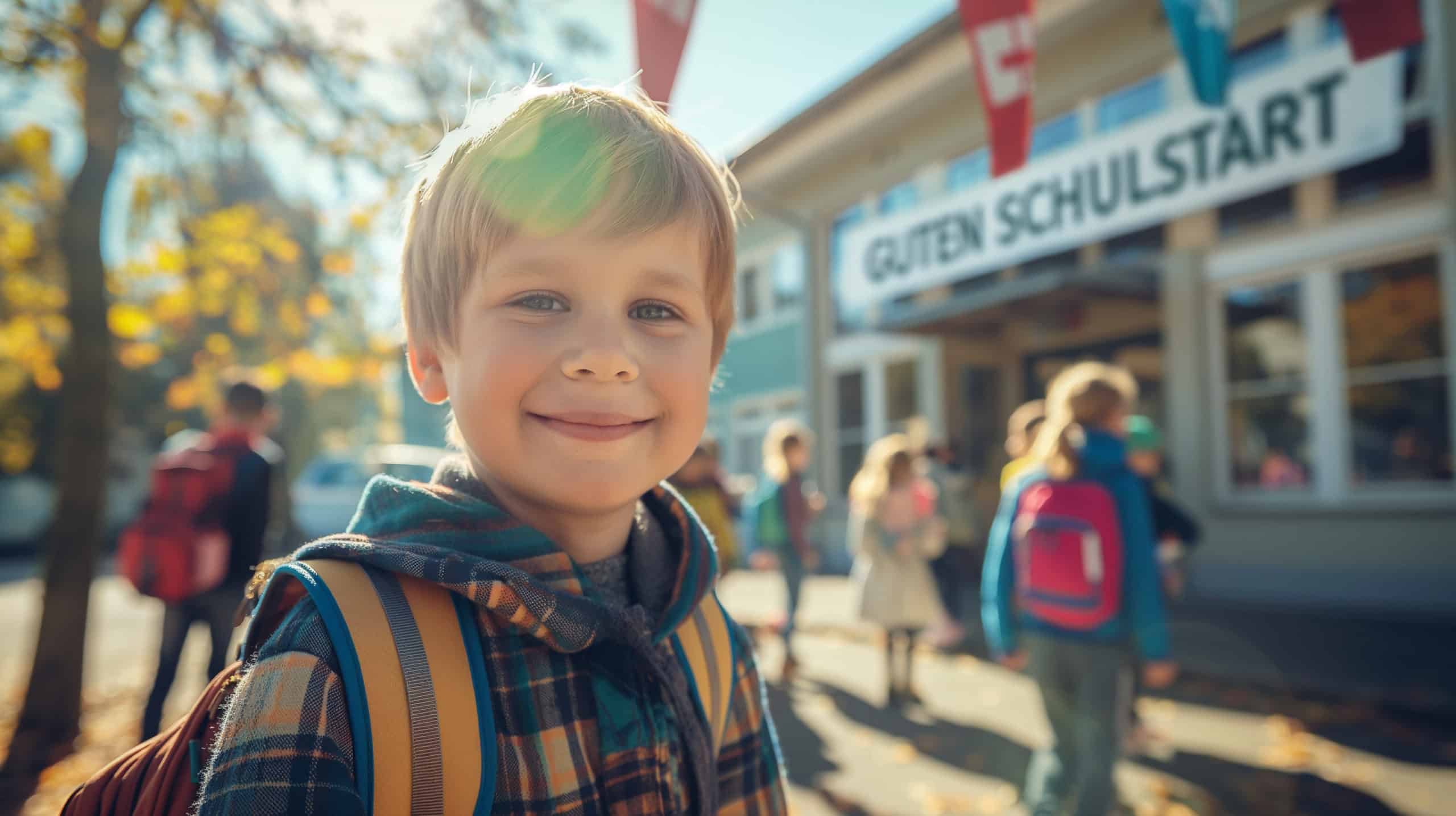
How to cope with the challenges of the first day of school
Preparing for the big day: Even before they start school, parents can do a lot to make the start easier for their children. In addition to support from nursery school teachers, they themselves play a key role. With sensitive preparation and joint discussions, the transition can be made smoother.
Practicing the way to school
The journey to school often brings new challenges, such as crossing major intersections or longer distances than usual. Parents should start practicing the route with their child at an early stage. It is important to point out potential dangers, make the child aware of risks and practice the correct behavior. With sufficient preparation, the child can master the journey to school safely and independently from the first day.
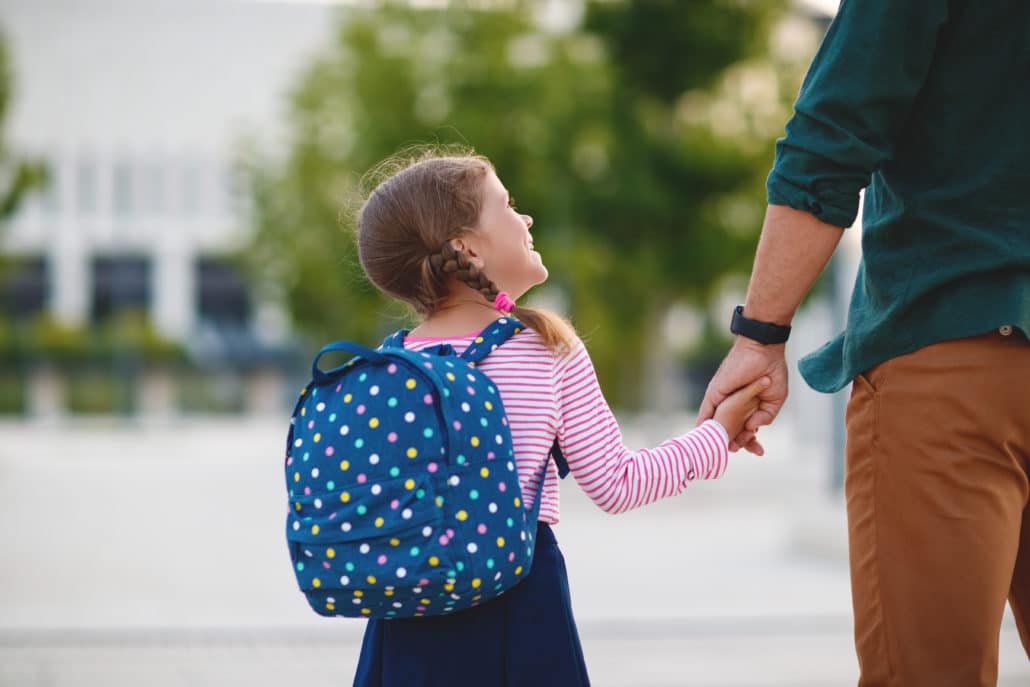
Parents should bear these points in mind when practicing:
- Practicing the way to school again and again until starting school, 1-2 times is not enough
- Select the school route that contains as few sources of danger as possible
- Children are not yet able to see what is happening on the road due to their small size and limited field of vision
- Children are easily overlooked by other road users
- Clearly communicated rules help the child to move as safely as possible in road traffic
- Discuss unexpected situations on the way to school, such as discovering classmates on the other side of the road or a ball rolling into the street
Tips for the fall/winter season: High-visibility clothing for the way to school
- Conspicuous clothing (reflective stripes, bright/colored clothing or high-visibility vests) in the fall and winter months so that the child can be seen by other road users in fog and darkness
- The school bag should also be equipped with reflectors and an orange or yellow warning surface
moll children on their way to school – Project Safe Haven
To prevent children from getting lost on their way to school, the Hänsel + Gretel Foundation has created the Notinsel (Safe Island) initiative, which offers children safe places of refuge. At 228 locations across Germany, around 19,000 shops displaying the Notinsel symbol on their doors signal to children that "Where we are, you are safe." The largest child protection project in public spaces in Germany can offer children protection in acute danger situations and encourage people to look and take action. Especially in a society where danger and violence lurk even on the playground, at school, or on the way home, where violence by older children against younger children, discrimination against the weak, cell phone theft, and bullying have become part of everyday life, the Notinsel offers a safe place. Moll this project because the youngest members of our society need to be protected.
School route planner
The "School route planner" offers parents and children a practical way of planning the safest route to school or leisure routes. The function can be used to create individual routes on a map, marking emergency islands along the way. These emergency islands serve as contact points in emergencies. Parents or teachers can mark and define the routes with colored pens together with the children to provide additional orientation and safety.
New everyday life for parents and child - creating a positive attitude
To make the start of the school day easier, parents can tell their child in advance what a typical school day is like and what to expect there. As children in kindergarten are usually still used to a lot of movement and free organization of their day, it is helpful to practice staying seated, listening and adhering to rules in a playful way. It is also important to explain to the child why they are not allowed to simply call into the classroom or run around.
The change means getting used to new procedures such as the timetable and completing tasks in a targeted manner. The teachers - initially the class teacher and later also subject teachers - become the new point of contact for the children. Parents can let their child know that they can approach the teachers at any time with questions or problems.
Parents can share happy or funny memories of their own school days so that the child has a positive experience of starting school. Such stories create anticipation and boost motivation. Joint preparations such as practicing basic skills make the transition easier.
What should a child already know when they start school? The child should...
-
-
- be able to write his name
- know the numbers up to ten
- know the address, telephone number and birthday
- Dress and undress independently (especially important in sports lessons!)
- can go to the toilet alone
- can cut out and glue pictures with scissors
- paint
- be able to tie their shoes
- Recognize your own things and keep them in order
-
What can parents practise until the child starts school?
-
-
- Assign small tasks around the house so that homework can be practiced
- practise speaking loudly and clearly
- tell in sentences, retell little stories
- Count to 20 (forwards and backwards)
-
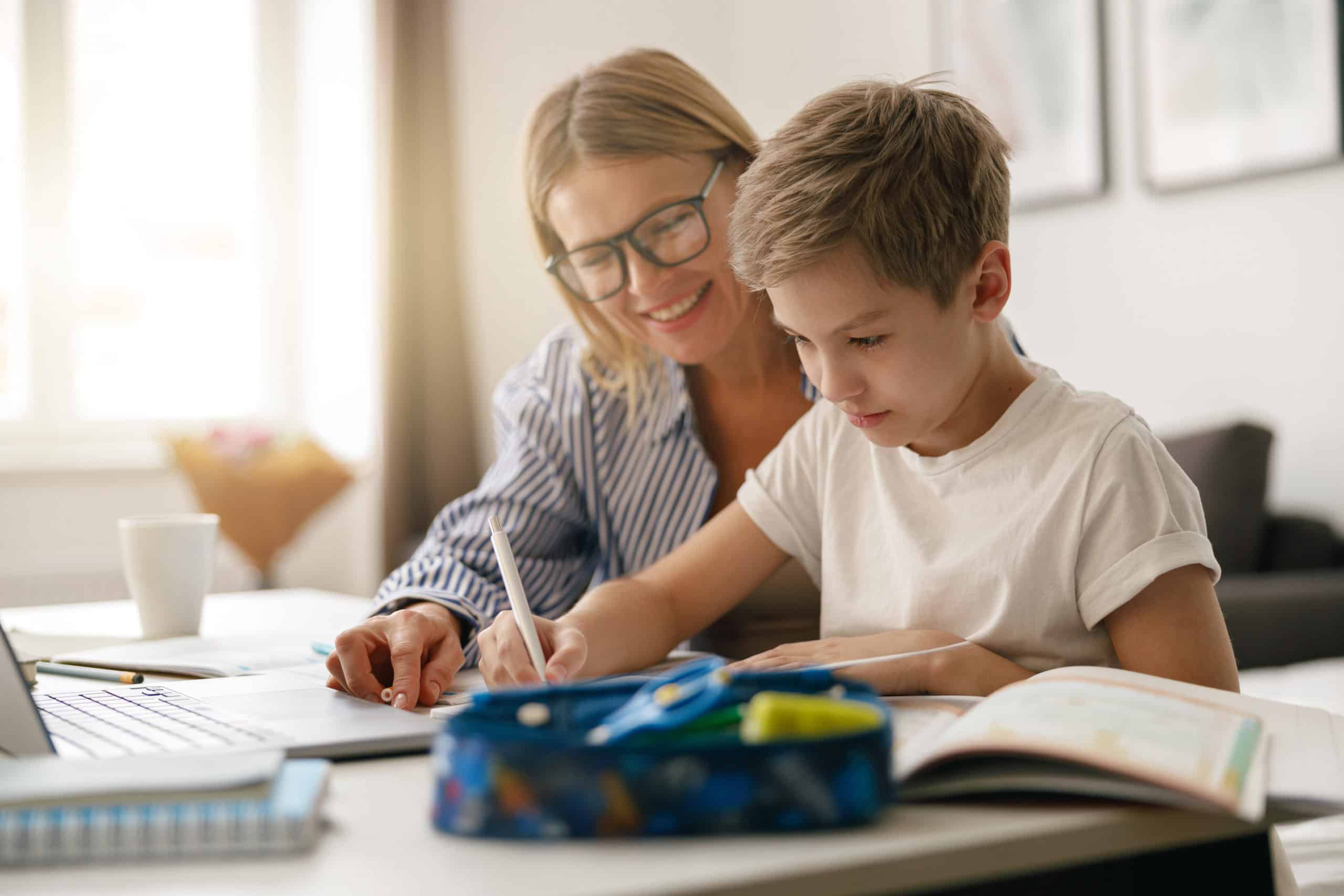
Equipment for first graders
What belongs in the school bag?
-
- Pencil case with soft pencils, an eraser, a sharpener, colored pencils, felt-tip pens, a ruler
- Textbooks
- Notebooks and folders
- Notebook for homework
- Gym bag or sports bag
- Materials for art lessons: glue, scissors, drawing pad, paint box, brushes, wax crayons, sponges, rags
- Lunch box with snack
- Drinking bottle
How can the first day of school be organized?
The schedule for the first day of school varies depending on the federal state and school. While in some regions the school enrolment ceremony takes place on the weekend before the start of school, in other federal states it is organized individually by the schools during the first week of school. Parents can find detailed information on school enrolment in the respective federal states online.
The big day often starts with a church service, followed by an official welcome in the assembly hall or a forum. Older pupils often put on a short program, for example with songs or plays, to welcome the new first graders. Afterwards, the children go to their classrooms - sometimes accompanied by their parents, sometimes only with the teachers, while the parents wait in the schoolyard or in the assembly hall.
After a short lesson, usually around 45 minutes, the parents pick up their new schoolchildren. Many families then celebrate the special day with relatives and friends at home or in a restaurant.