Children's desk chairs from moll
What should a good swivel chair for children be able to do?

The importance of ergonomically correct sitting
Parents are often faced with a jungle of terms when it comes to sitting correctly: dynamic sitting, healthy sitting, ergonomic seating or avoiding back pain. These meaningful buzzwords usually raise more questions than they provide answers.
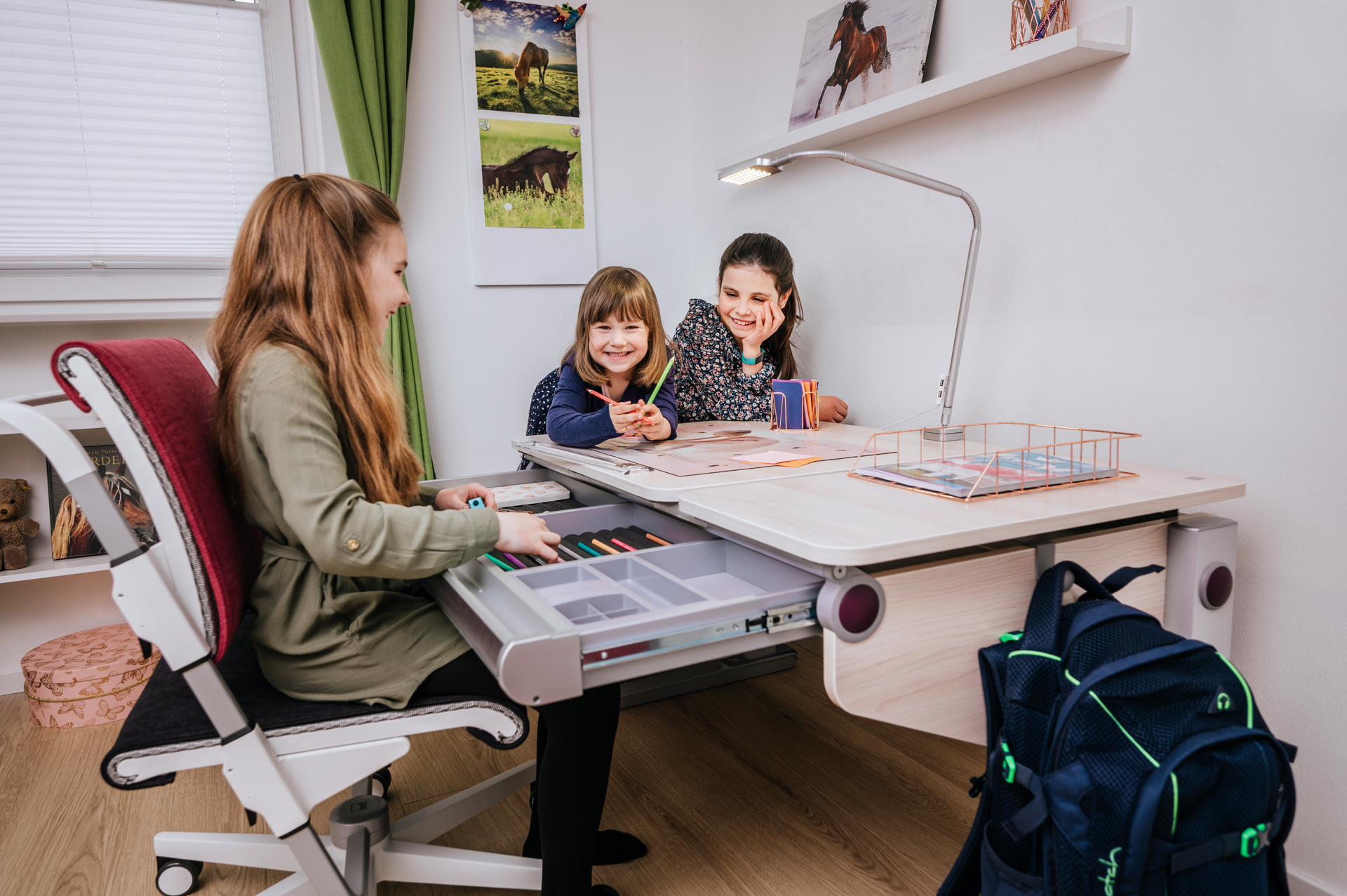
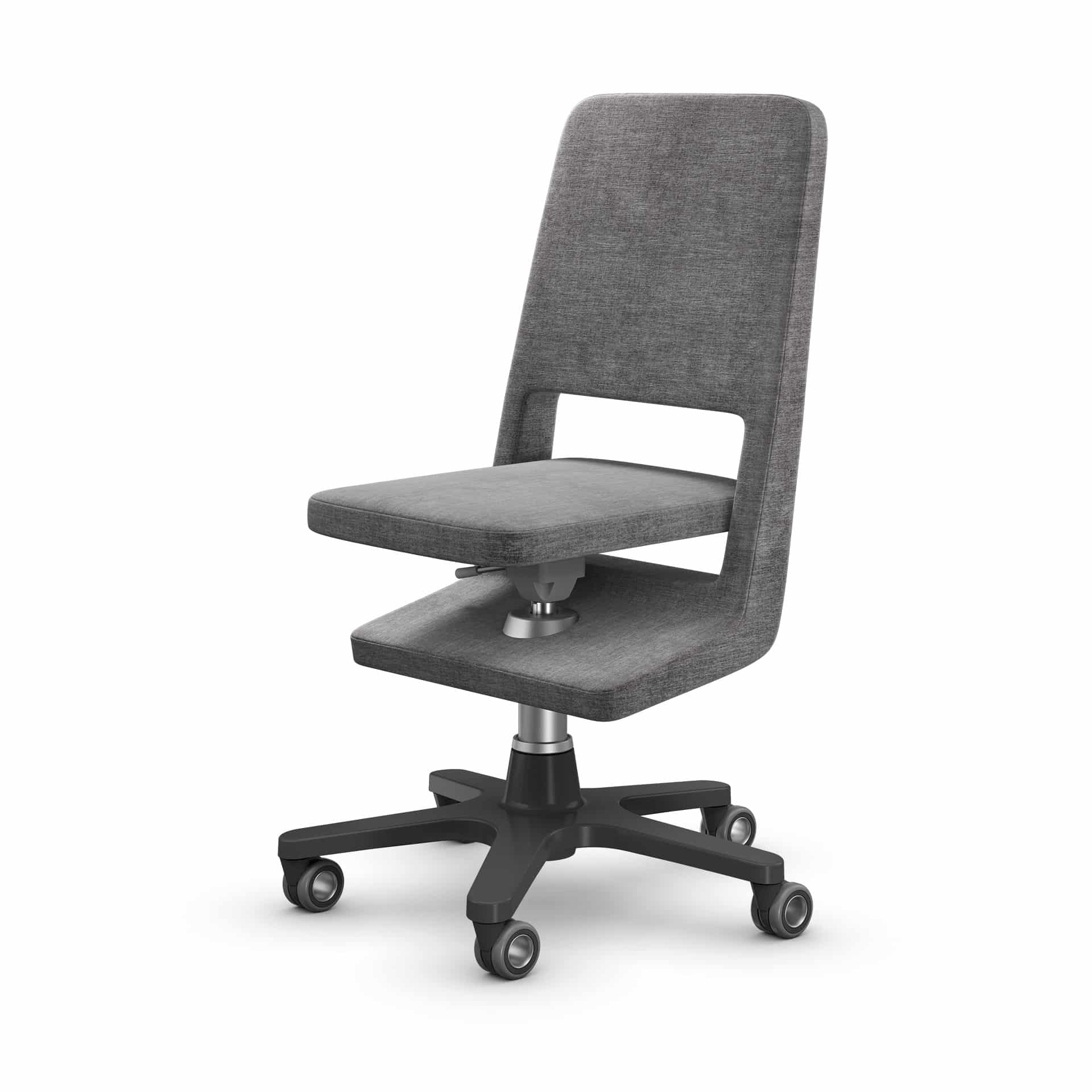
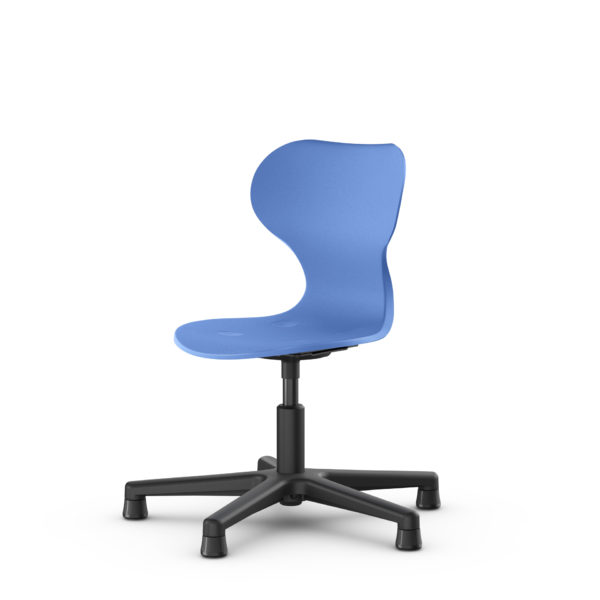
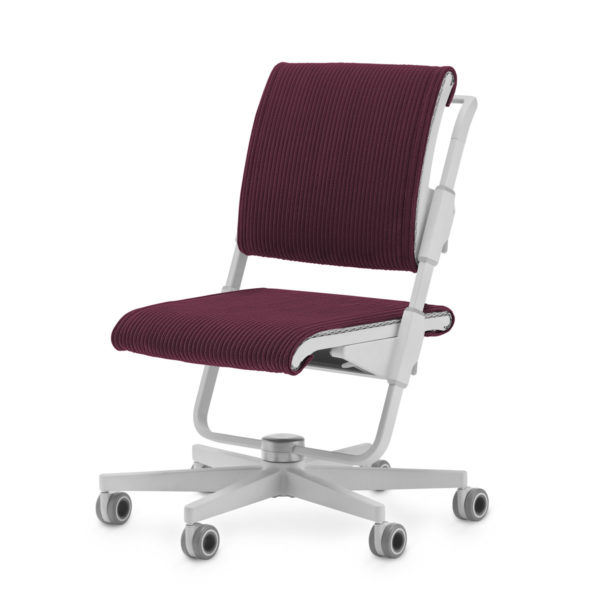
In addition to the right children's desk, moll offers the right swivel chair, which creates the ideal basis for ergonomic and efficient learning and playing. The moll adapts to your child's needs and promotes a wide range of developmental opportunities. Why is this so important? Experts agree that children today sit too much – at school and at home: while learning, playing, or doing crafts.
A high-quality children's swivel chair from moll dynamic sitting and grows with the child in all dimensions, so that it always adapts optimally to changing requirements.
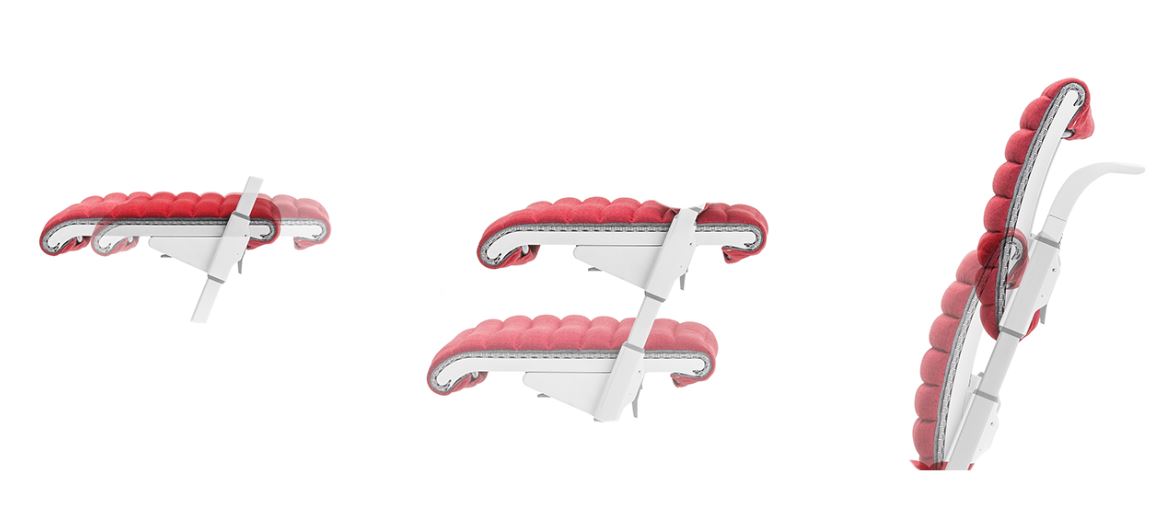
How do desk chairs grow?
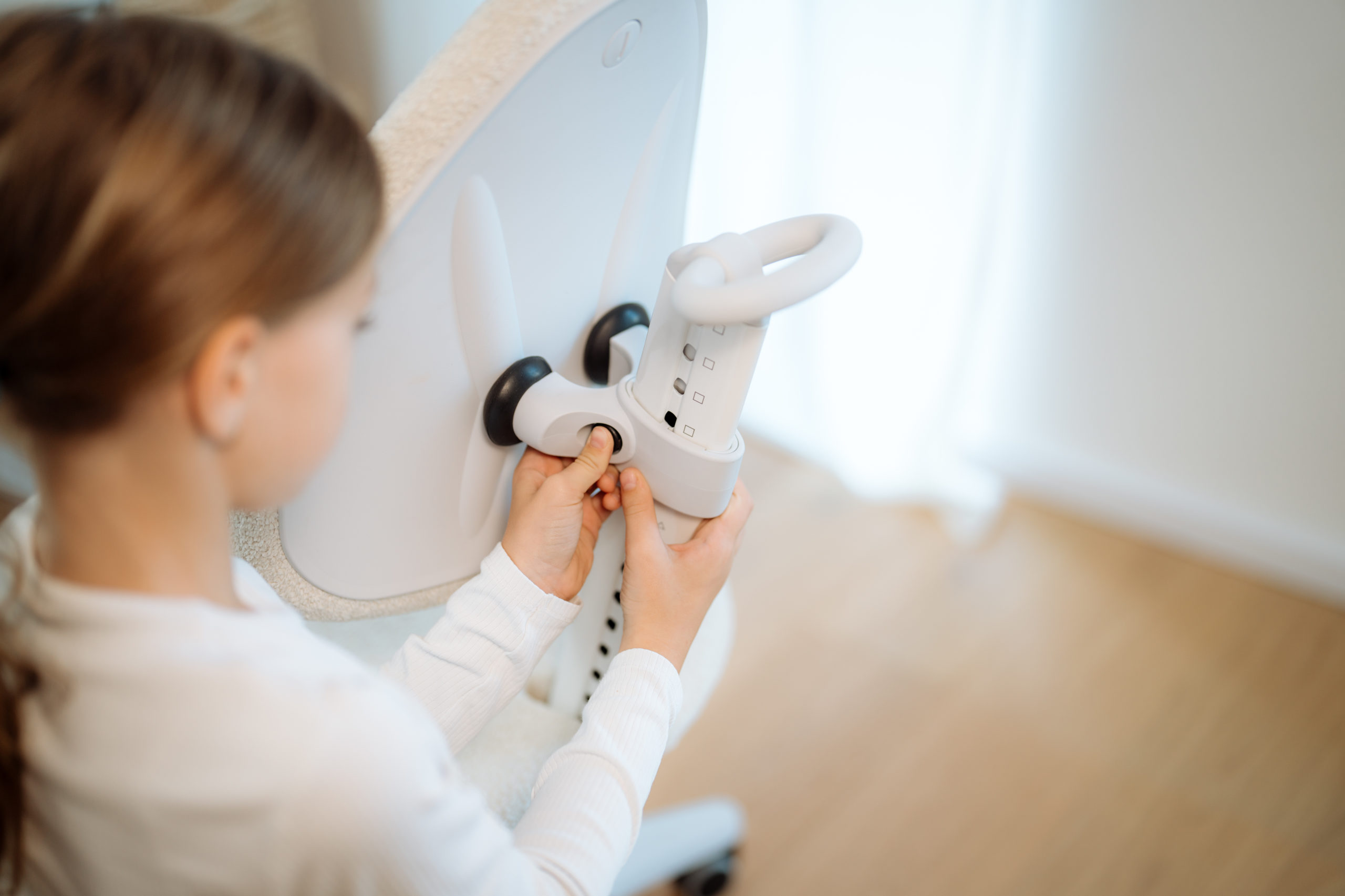
The moll can be adjusted to perfectly fit your child's body proportions. Here is a brief guide on how to adjust the seat height and backrest to the optimal position:
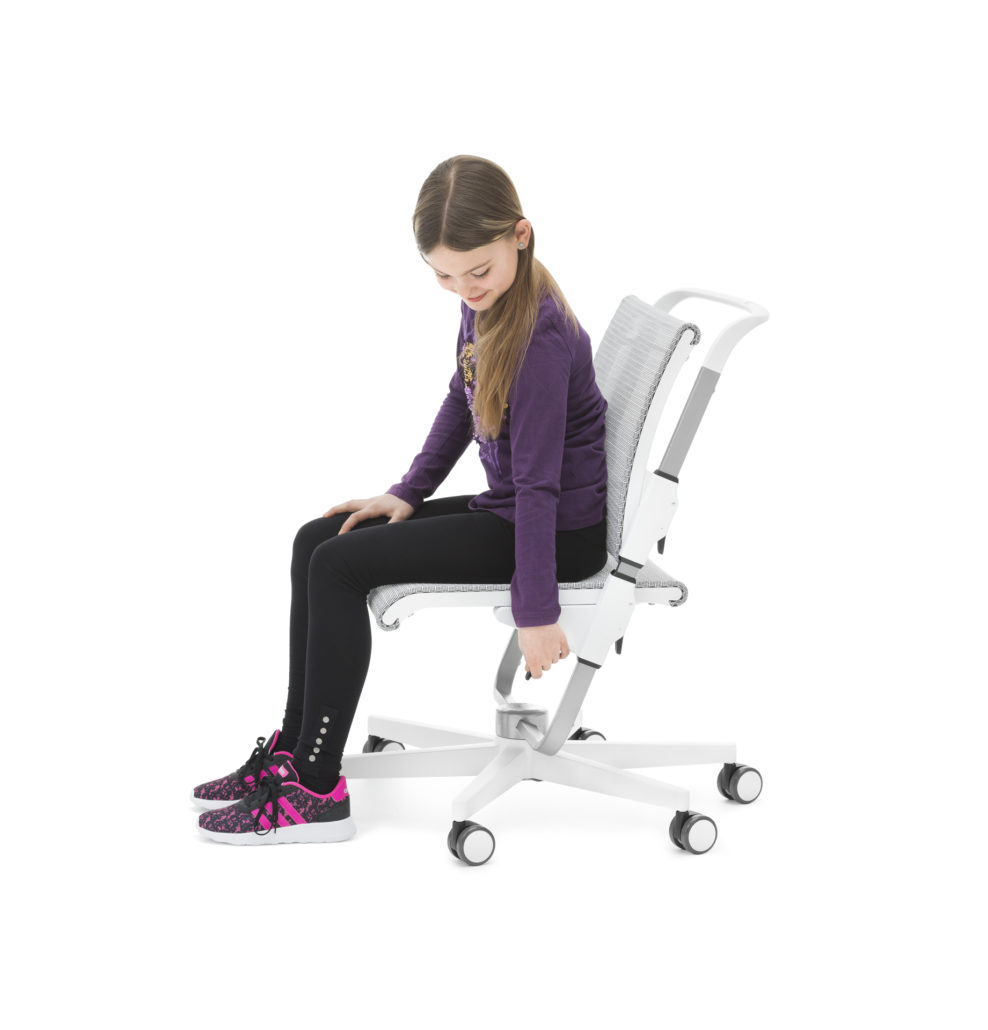
Front edge of the seat and thighs: The front edge of the seat must not pinch and the thighs should lie flat. The ideal distance between the lower legs and the front edge of the seat is around four finger widths. This distance is important to ensure good, continuous blood circulation in the legs.
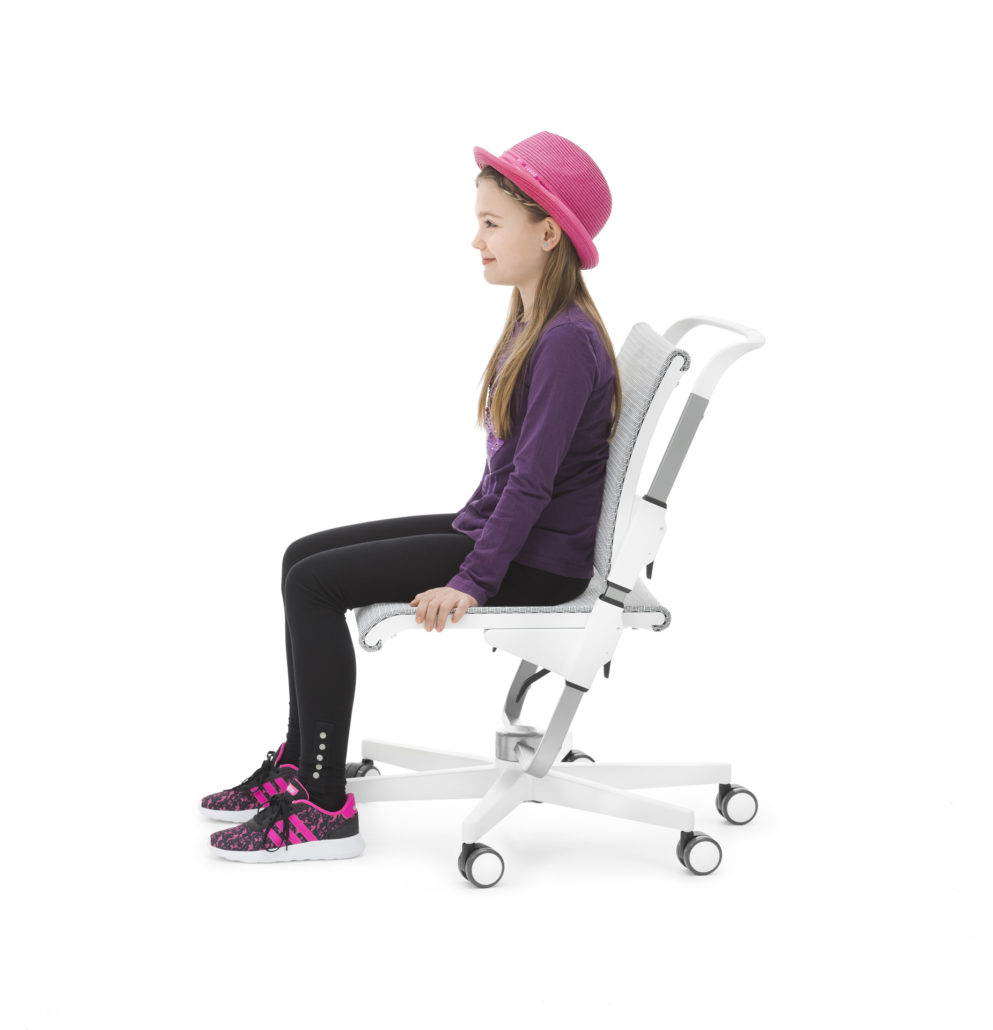
Seat height: Start with the correct seat height. The front edge of the chair should be in the area of your child's lower kneecap. Once your child is seated, the angle between the upper body and thighs should be slightly greater than 90°. The feet should be flat on the floor so that the legs have stable contact with the floor.
Backrest: Adjust the backrest so that it supports your child's upper body up to the shoulder blades. This relieves pressure on the back and provides stable support when the child leans back.
Safety first - even with children's desks
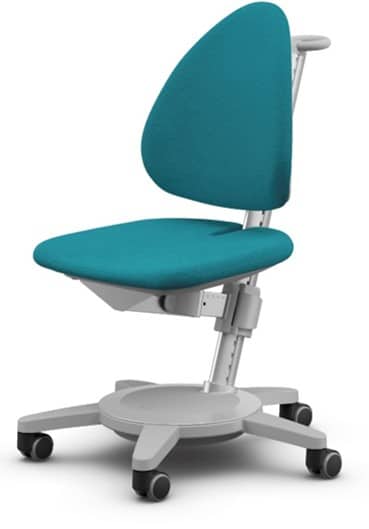
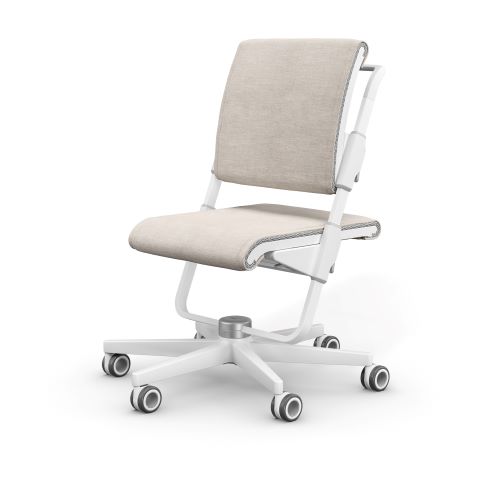
Ergonomics alone is not enough – safety must never be neglected when it comes to children's swivel chairs. The risk of tipping is a particularly important factor for office chairs. You can test this very easily: take a look at the chair from above. If all the casters are clearly visible, the base is sufficiently large, and the chair is relatively stable. A good example is the "Maximo" from moll, which was awarded a "very good" rating by Öko-Test. This rating confirms that the chair meets all the requirements for a healthy children's swivel chair.
The "Maximo" is specially designed to meet the long-term needs of children and adolescents: it accompanies young users from the age of five into their teens and grows with them from a height of 110 cm to 200 cm. The adjustable children's swivel chairs from moll therefore ideal for all ages – from elementary school age to adulthood.
How do you adjust a children's swivel chair correctly? Three steps to success
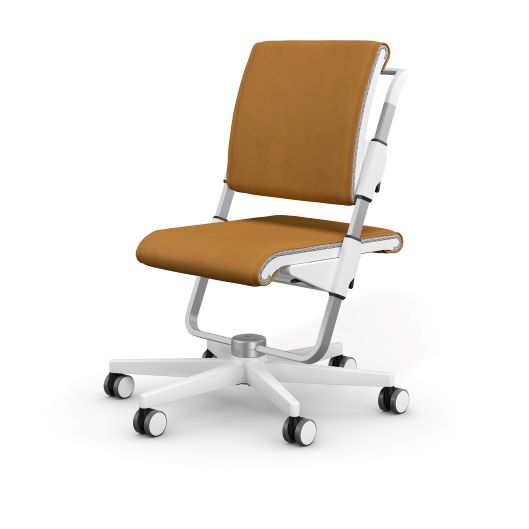
The foundation of a well-equipped study area is always the chair. With the Maximo or Scooter moll easily adjust it to fit the user perfectly in just three simple steps.
Chair height
Adjust the height of the chair so that the front edge of the seat is approximately level with the lower kneecap. The angle between the thigh and torso should be slightly open - i.e. slightly more than 90°. This ensures that the feet are flat on the floor and have full contact with the ground.
Seat depth
The seat depth is adjusted so that the thighs are fully supported and the front edge of the seat does not pinch. The distance between the front edge of the chair and the lower legs should be about four fingers wide. This ensures good circulation in the legs.
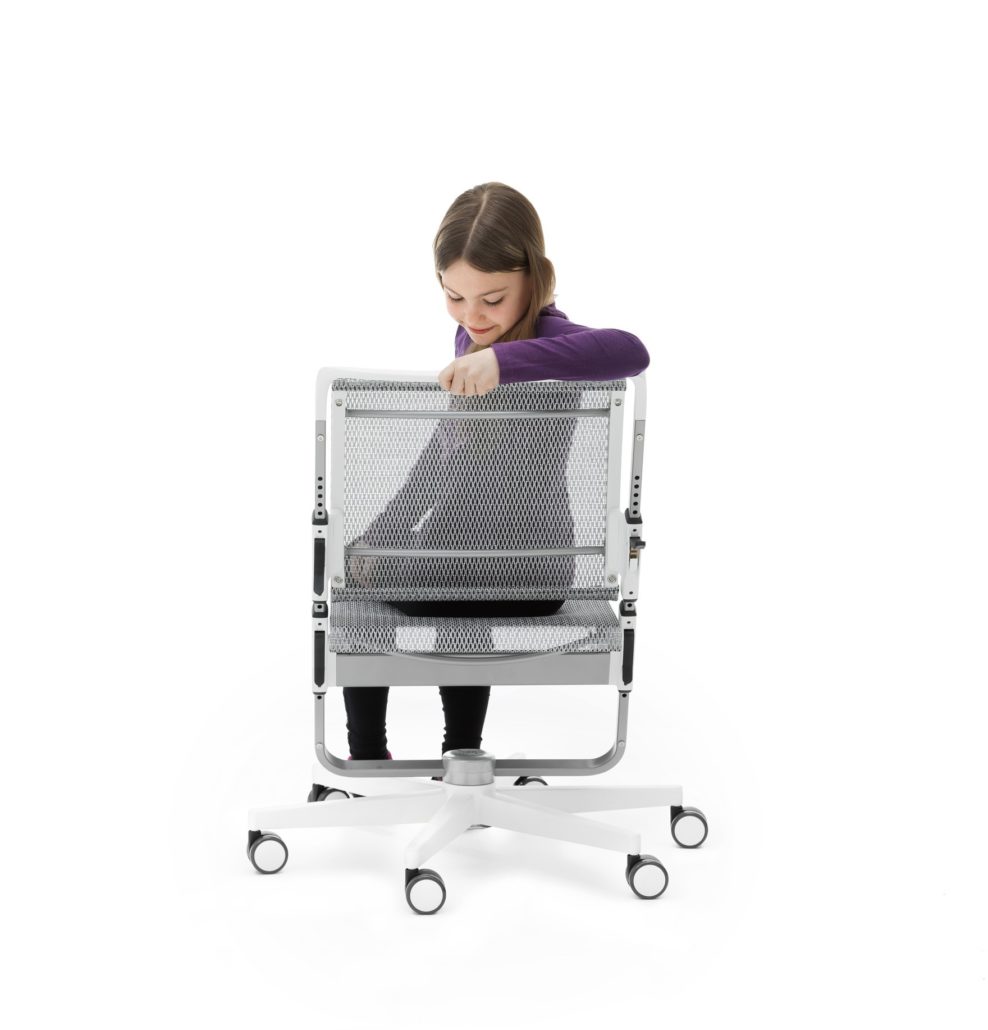
Backrest height
The third step is to adjust the height of the backrest. This should be selected so that it supports the body up to just below the shoulder blades. This relieves the back and ensures that it has sufficient support along its entire length when leaning back.
What else you should look out for in a swivel chair for children
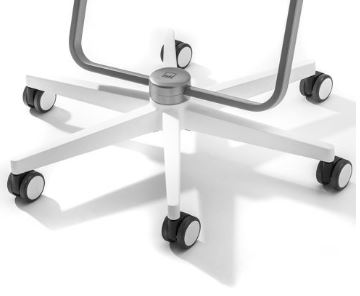
Base
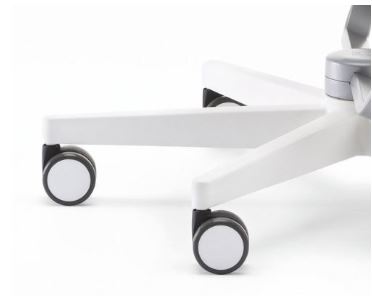
Rolling resistance
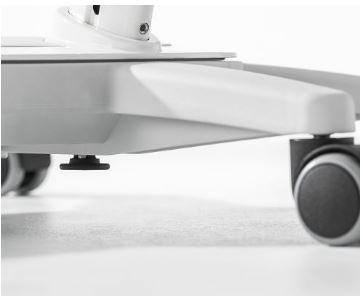
Turnstop