How do I motivate my child to start school?
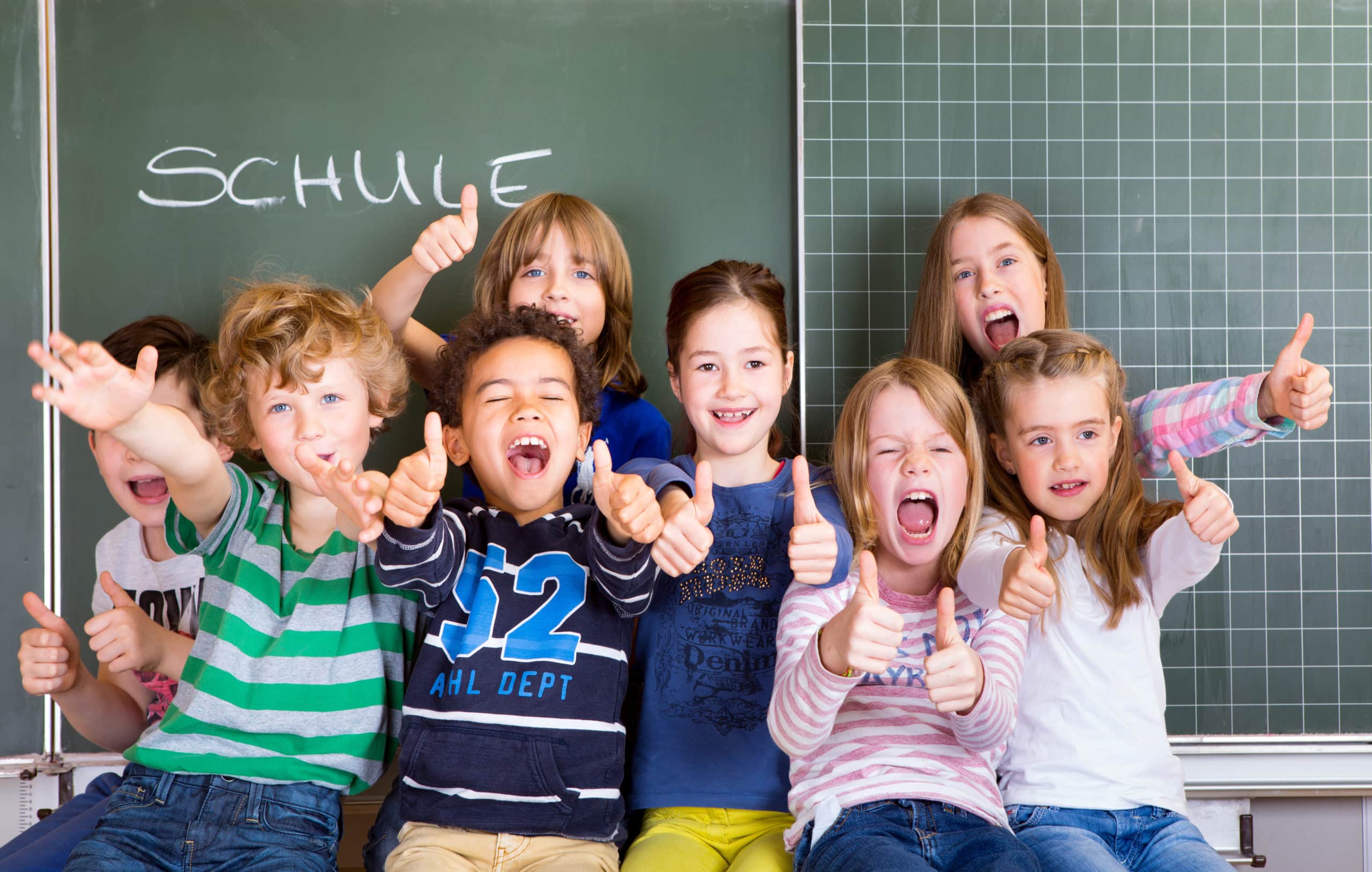
Starting school marks the beginning of a new phase in your child's life. The first homework and later class tests bring new challenges. The school day is often full of impressions that linger after you get home - and lunch makes you tired. So it's important to take a break to clear your head. 60 to 90 minutes is usually enough to play, paint, run around or even watch a bit of TV. When it comes to homework, it is often difficult to switch over. We have a few tips on how the right motivation can help your child with the transition.
How do you get started with homework?
For first graders, homework is something completely new and it takes time to get used to it. But older children also have to learn to switch from playing to doing homework. A good place to start is with the easier tasks. If the transition is difficult, a little "thinking game" or a concentration exercise can help to make the start easier. It is important that these exercises are fun and enable the child to make a smooth transition from playtime to homework.
One example of this is the "Clever Spielen" cards from Loewe Verlag. These card games offer the right introduction for all ages, promote concentration and memory and are fun at the same time. Even pre-school children can practise their concentration and memory skills in a playful way. The cards have fun pictures and are easy to handle, which motivates the children and makes the transition to homework easier.
How do I motivate my child?
When playing, a child learns how fulfilling it is to have worked hard for a success. A sweet as a reward for winning a city-country-river game is much more valuable than if the child simply receives a sweet from the shop. The sense of achievement increases the feeling of happiness and will also motivate the child in the future. Without this feeling, there is no incentive to take on new challenges.
The situation is similar with homework and learning. The reward does not always have to be material - motivation through recognition is much more valuable. When a child gets a good grade, it should always be emphasized that the success is the result of their own efforts and preparation. In this way, the child understands that active learning is the key to success. This realization motivates them to continue to do their best. Praise from the teacher for well-done homework is remembered and creates a positive feeling that encourages further success.
Motivation is generally a decisive factor for successful learning. If the child is genuinely interested in something, they will want to learn with pleasure.
How can setbacks be avoided?

The "Top 10 Homework Tips" from moll
Before starting homework: A fortifying lunch and some rest afterwards is good.
Agree on a fixed time: For first graders, schedule no more than 30 minutes.
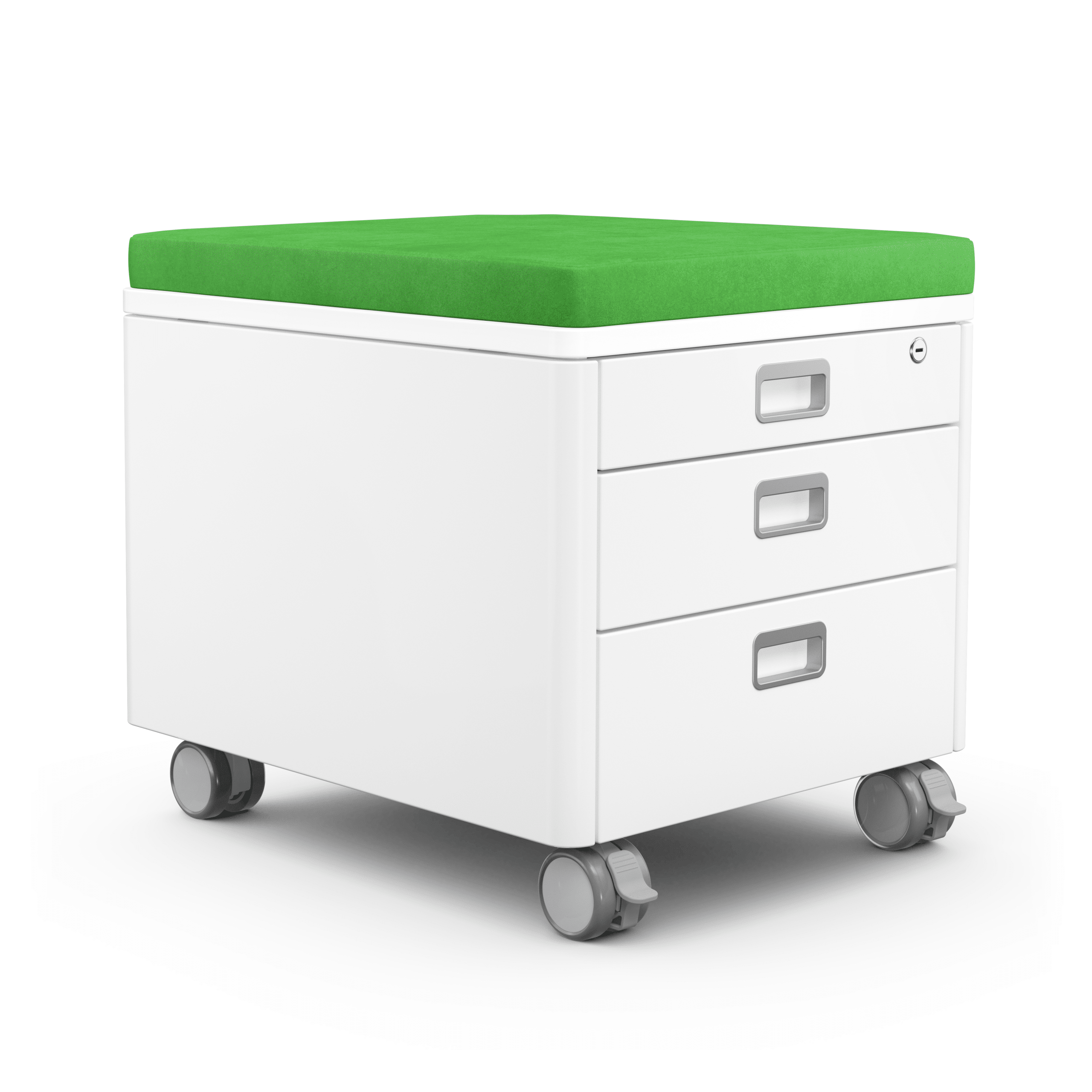
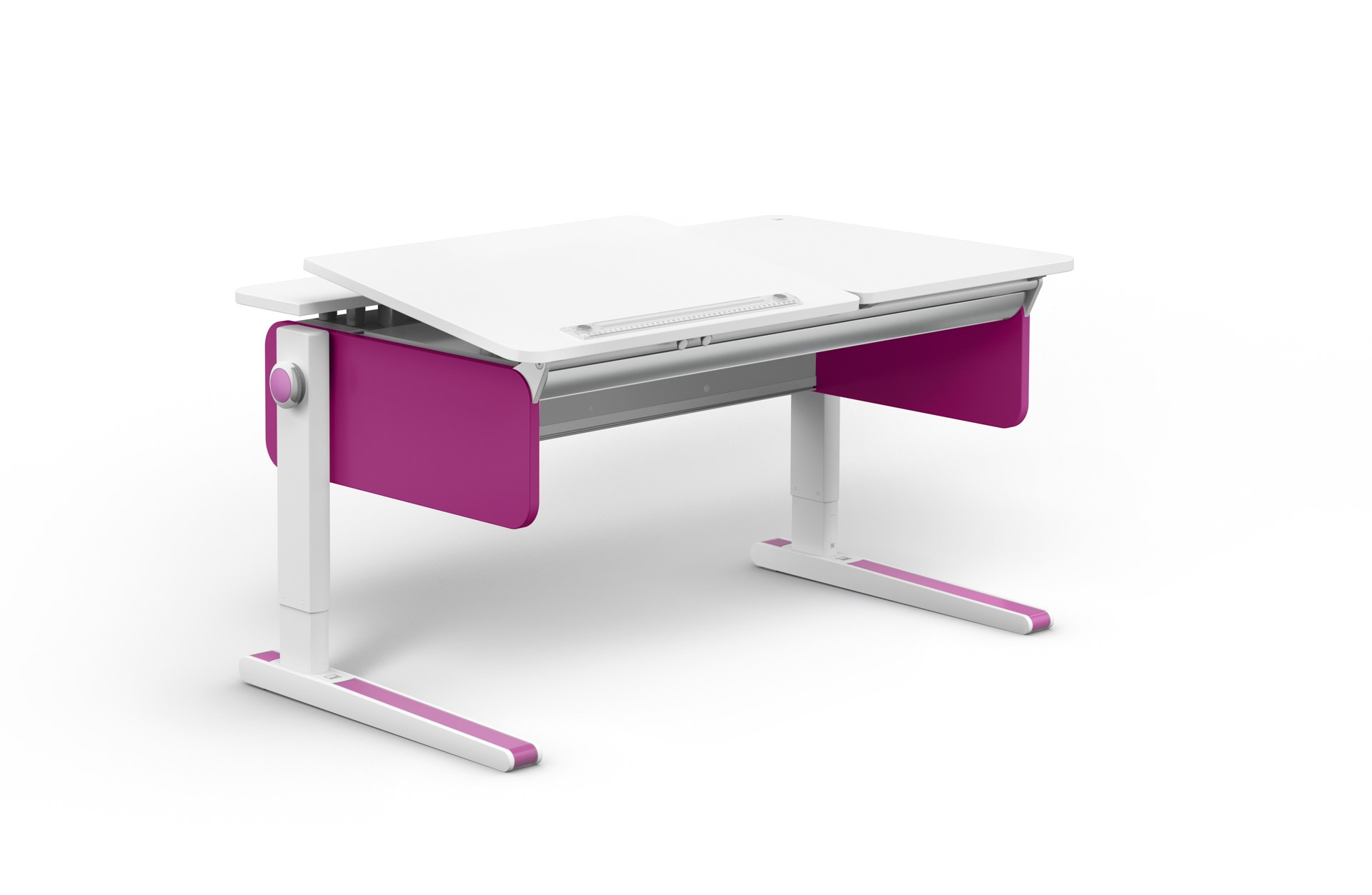
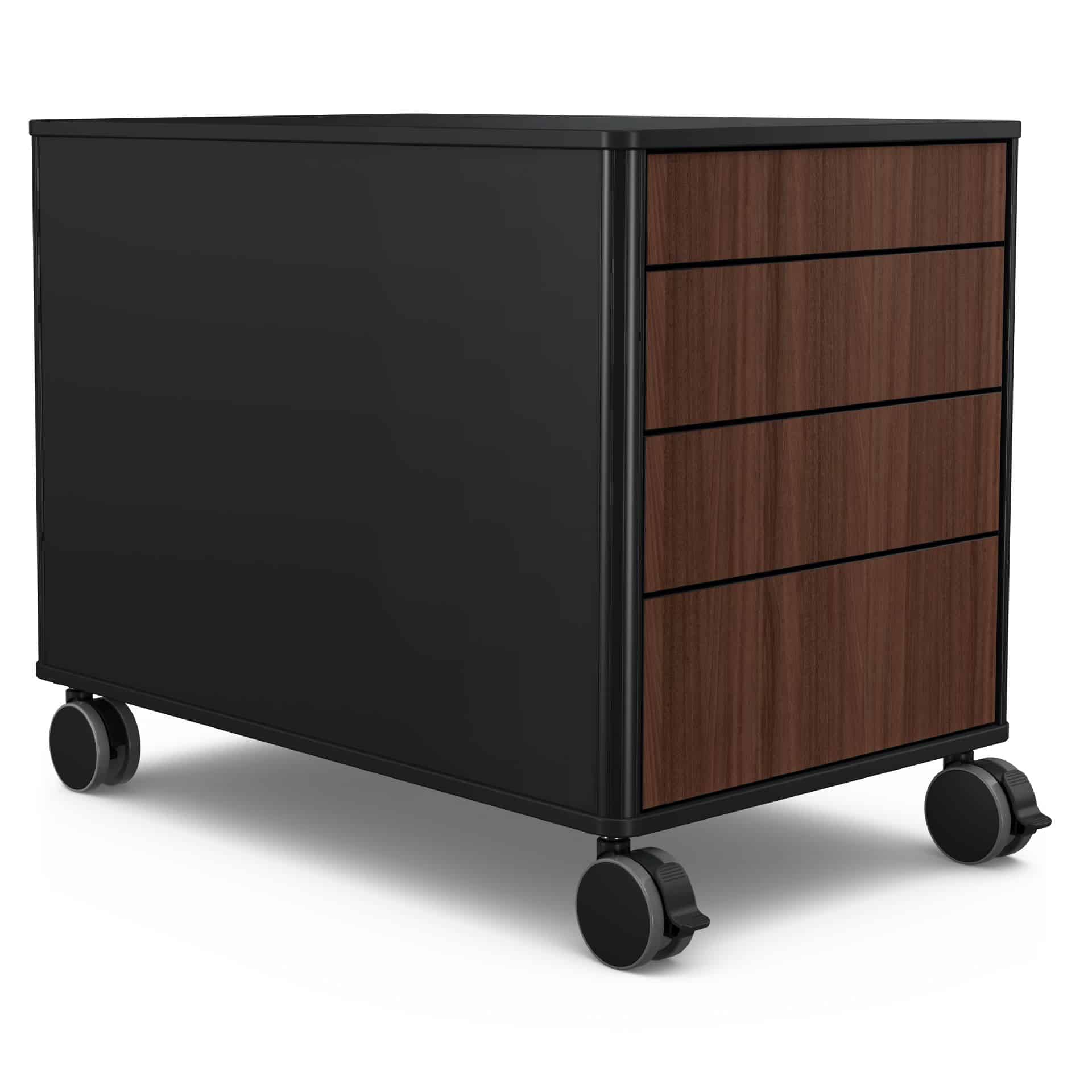
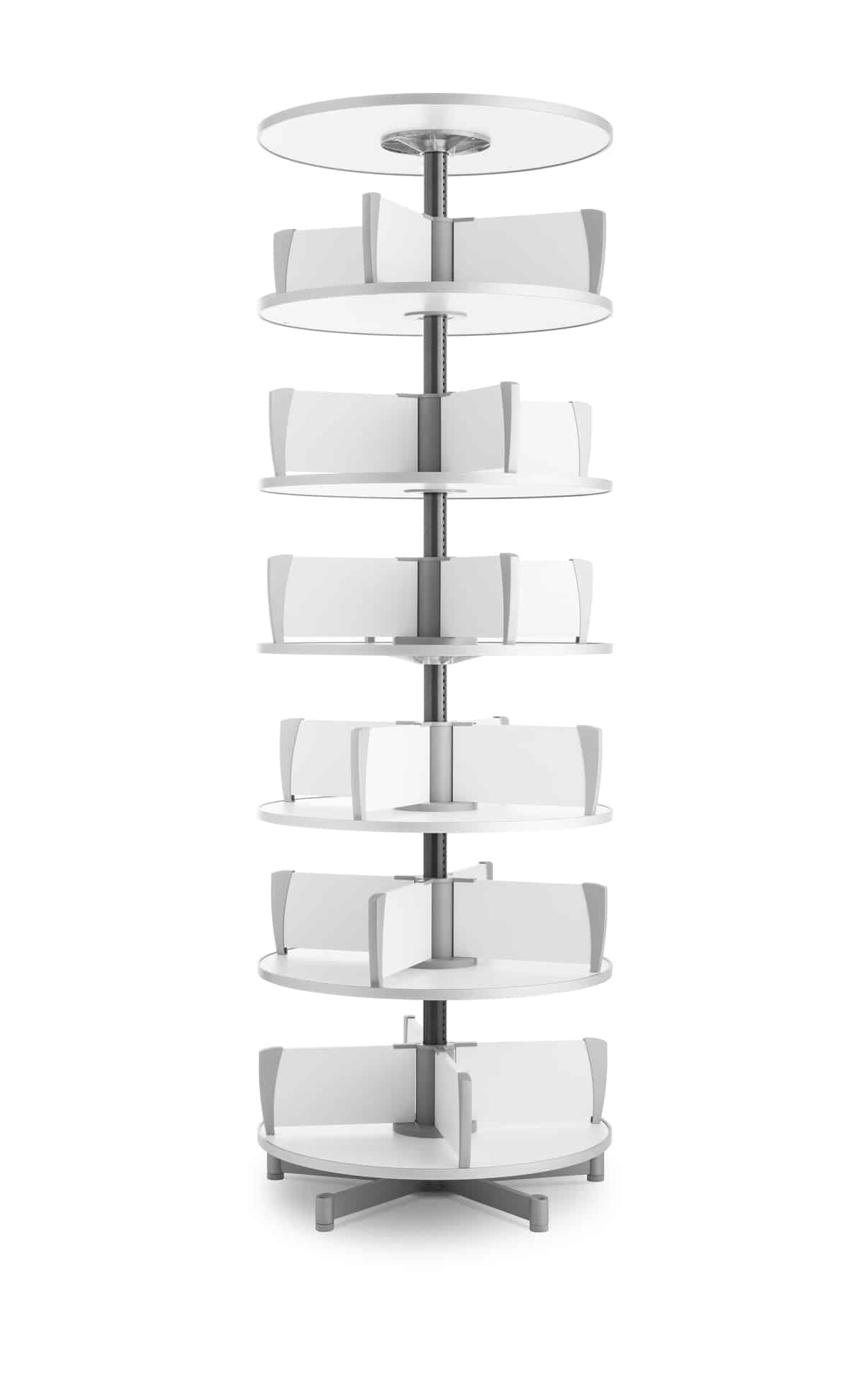
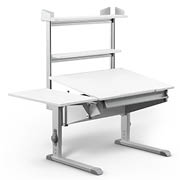
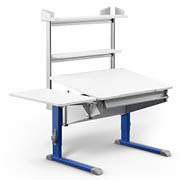
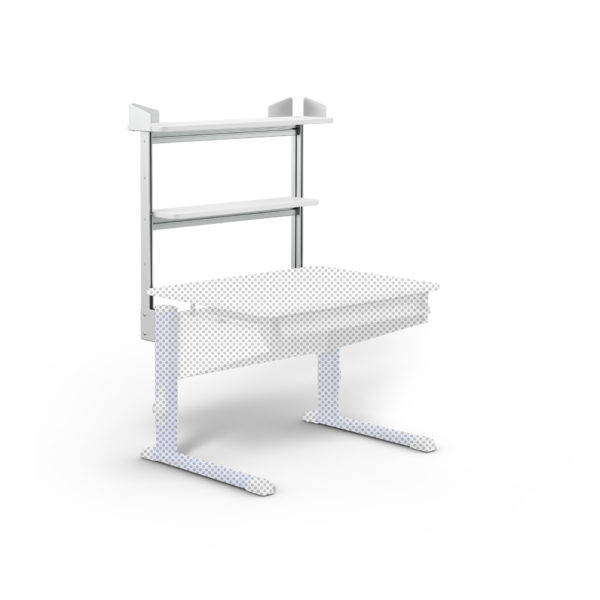
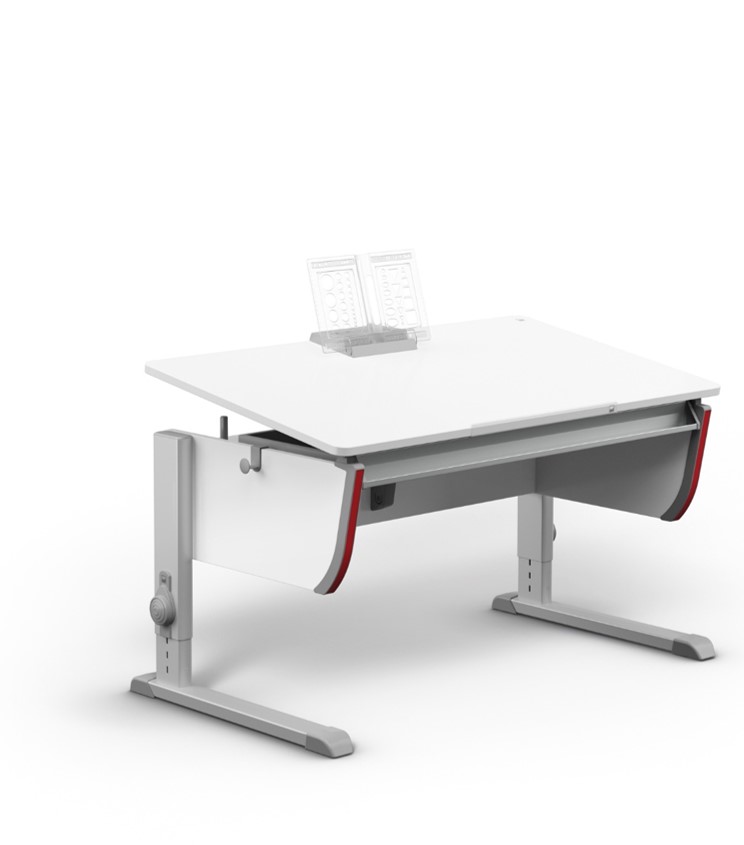
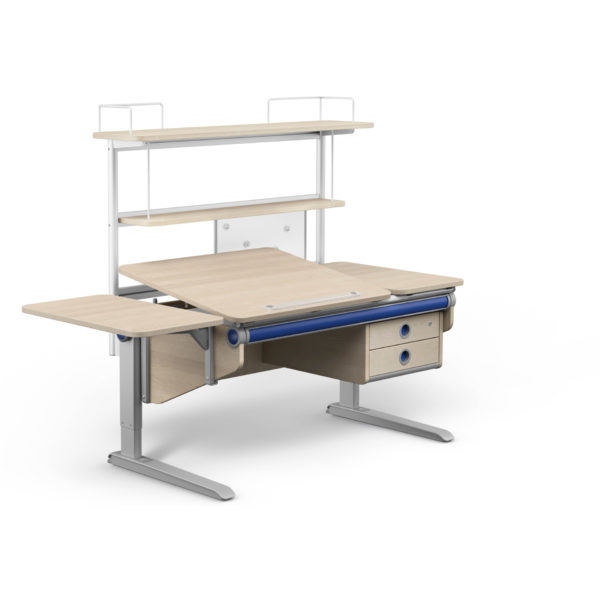
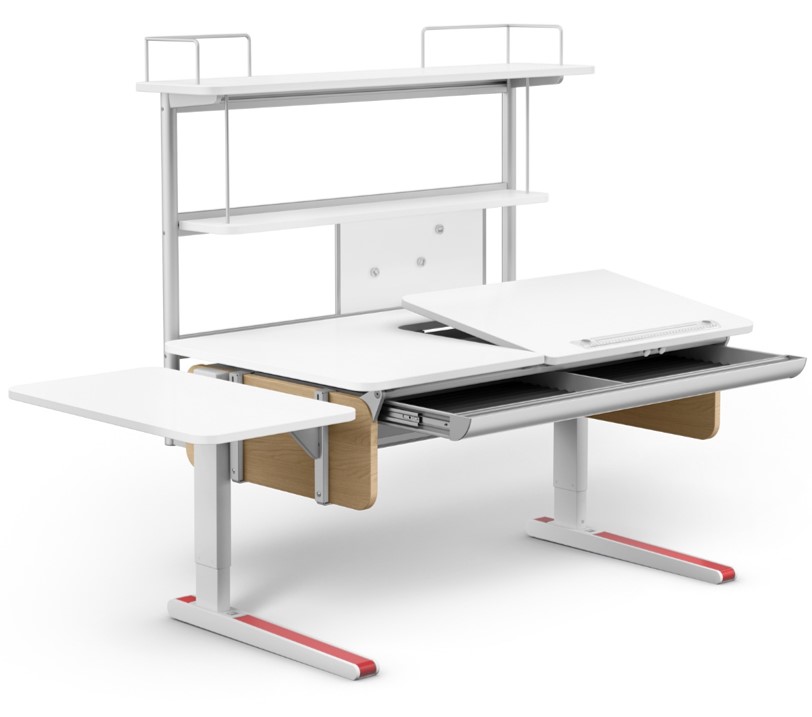
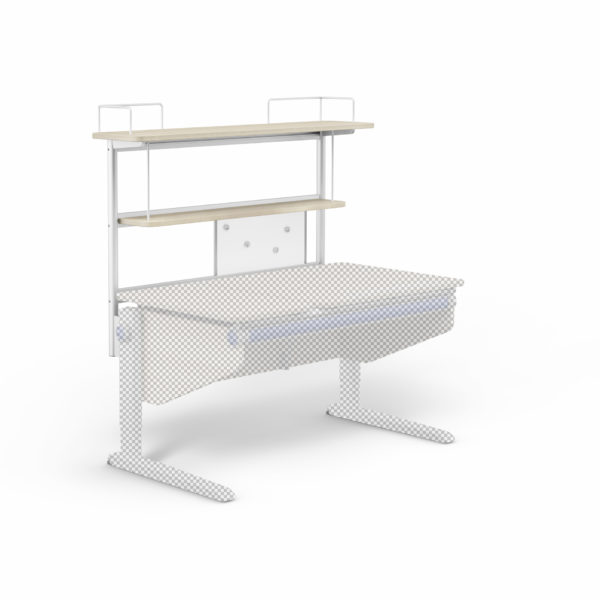
Keep the desk tidy - drawers, containers and add-on elements provide the necessary storage space.
Ensure peace and quiet without distractions: it's easier to learn without siblings playing in the same room and with cell phones, radios and TV turned off.
Encourage independence: First solve the tasks without help from the parents. If the child gets stuck, they can of course ask their parents for help.
Motivation and a sense of achievement: start with the easier tasks.
The task may be difficult to describe. In this case, parents are asked to explain in understandable terms.
Get to the bottom of difficulties together. If the entire learning content is not understood, the teacher should be consulted.
Have similar tasks perhaps been solved before? This gives the child the chance to compare themselves.
Short breaks between homework provide new energy. Take exercise breaks, for example. They help you to wake up, increase your ability to concentrate and relax. Simple and effective movement exercises can be found here.

How can my child be motivated to learn and practise?
Why is the time after learning so important?
Everyday common sense tells us that active learning time is crucial for the long-term memorization of facts and contexts. However, research is increasingly showing that the time after the actual learning is much more important - in other words, the phase in which we are no longer sitting at our desks but doing other things.
So why do we learn after learning? This can be explained as follows: When we learn, we absorb new information into our short-term memory, where it initially only remains for minutes to hours. This information is then stored at the synaptic level and later transferred to long-term memory. This process requires consolidation, i.e. the consolidation of what has been learned. This consolidation can be supported by rest, sleep or relaxation exercises, as they help the brain to stabilize and integrate the information.
Why does the brain need rest?
For children, this means that computers, cell phones and televisions should not be used for a while after learning so as not to overload the brain with additional stimuli. This is exactly what happens with media consumption. It is crucial for the long-term storage of new knowledge that the brain is not immediately flooded with new impressions. Instead, the child could take a short nap, because during sleep the brain processes the information it has absorbed and consolidates it. Meditation and relaxation exercises are also helpful to support the brain in learning. If the child has a strong urge to move, yoga exercises or a walk in the fresh air, for example to the nearest playground, can also promote learning and help to consolidate what has been learned.
Reading tip:
Der Spiegel has also written extensively on the subject of children's room furniture, children's desks and children's swivel chairs.