Do first graders need a real desk?

Children learn their first things such as drawing, numbers and letters as early as kindergarten, which is why a children's desk makes sense at this stage. Having their own desk is an important developmental step for many children and boosts their self-confidence.
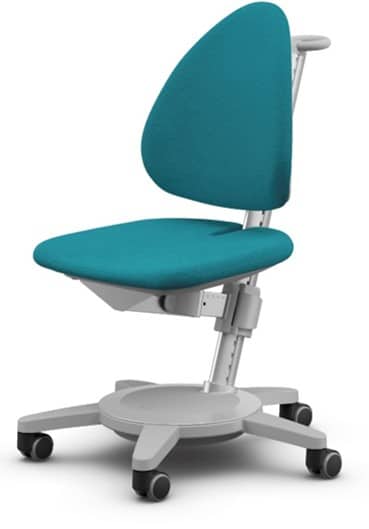
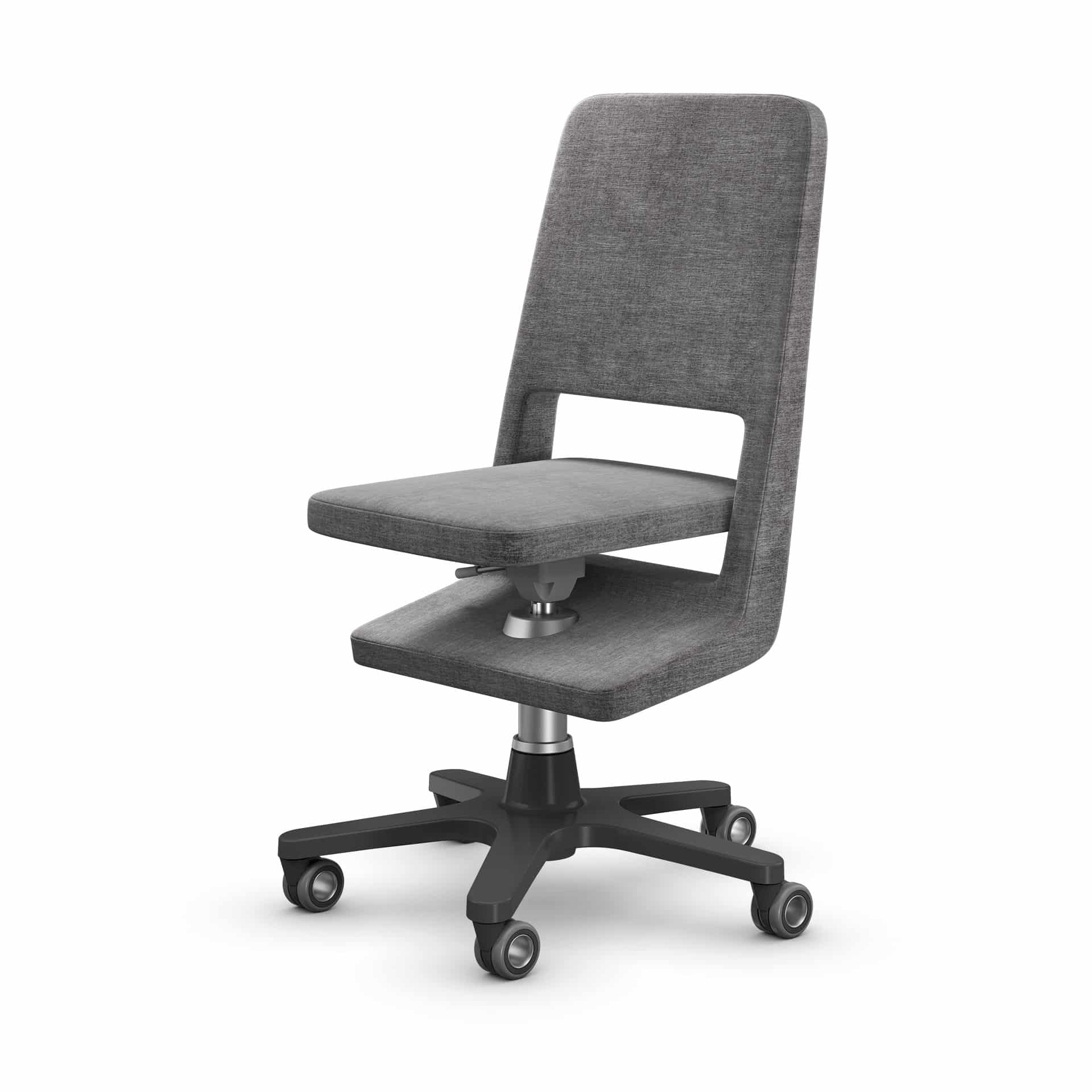
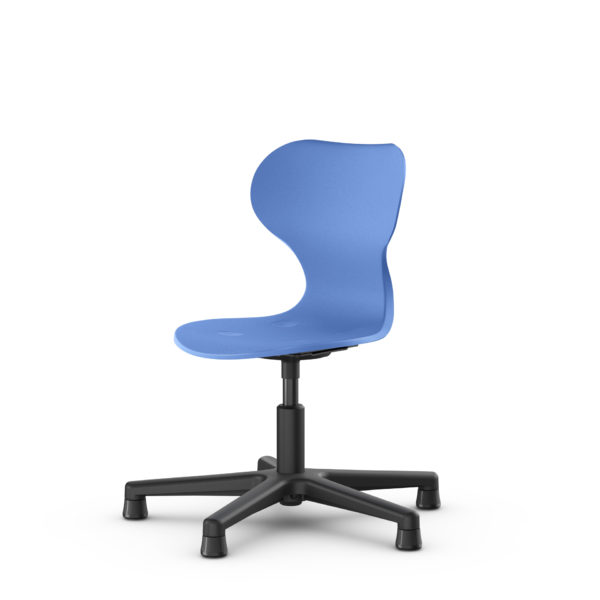
When buying a desk, parents should think long term in order to protect both the environment and their wallet. A height-adjustable table and chair are important, as children grow an average of about seven centimeters pro . An incorrect sitting position can lead to poor learning conditions.
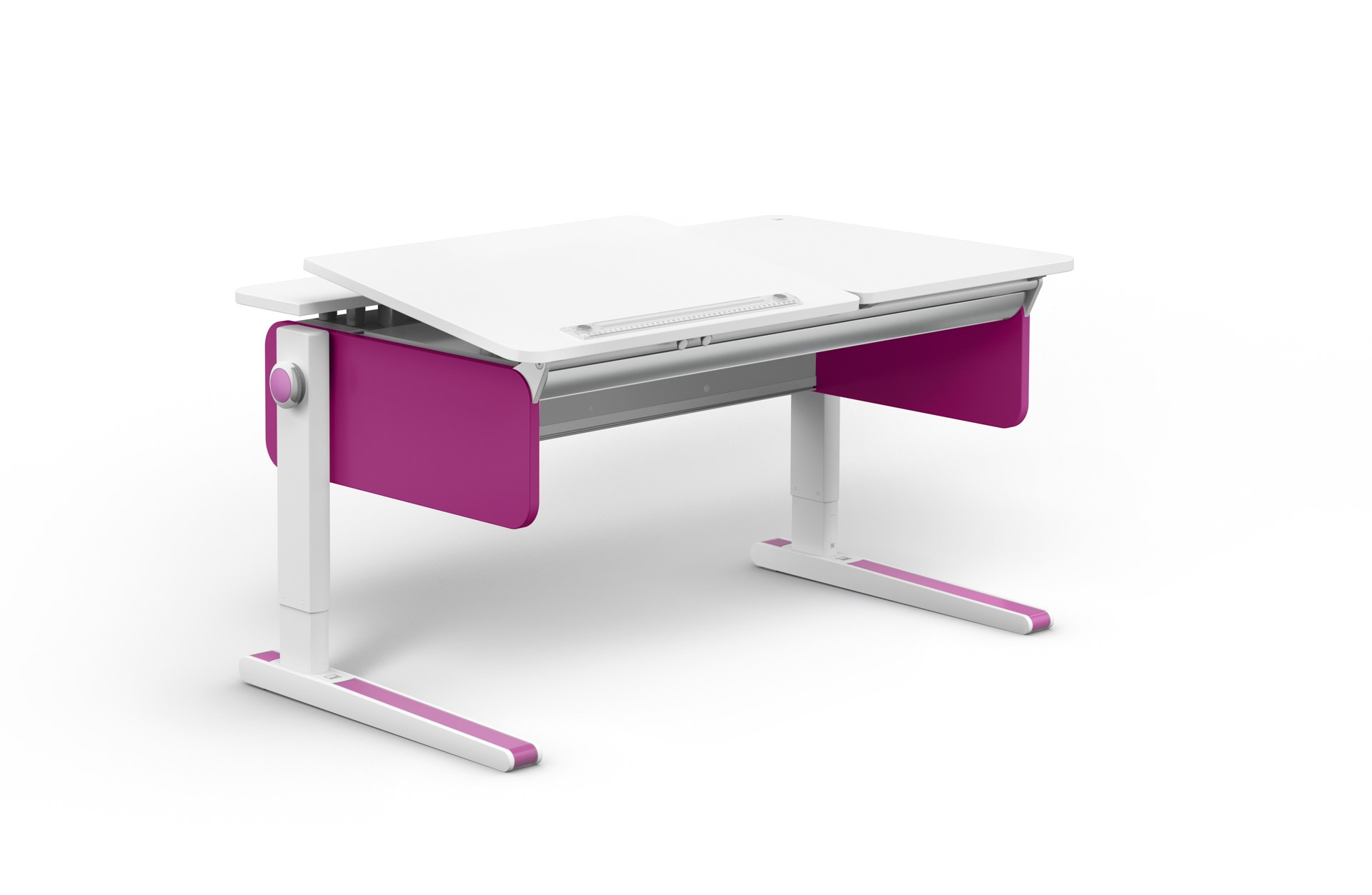
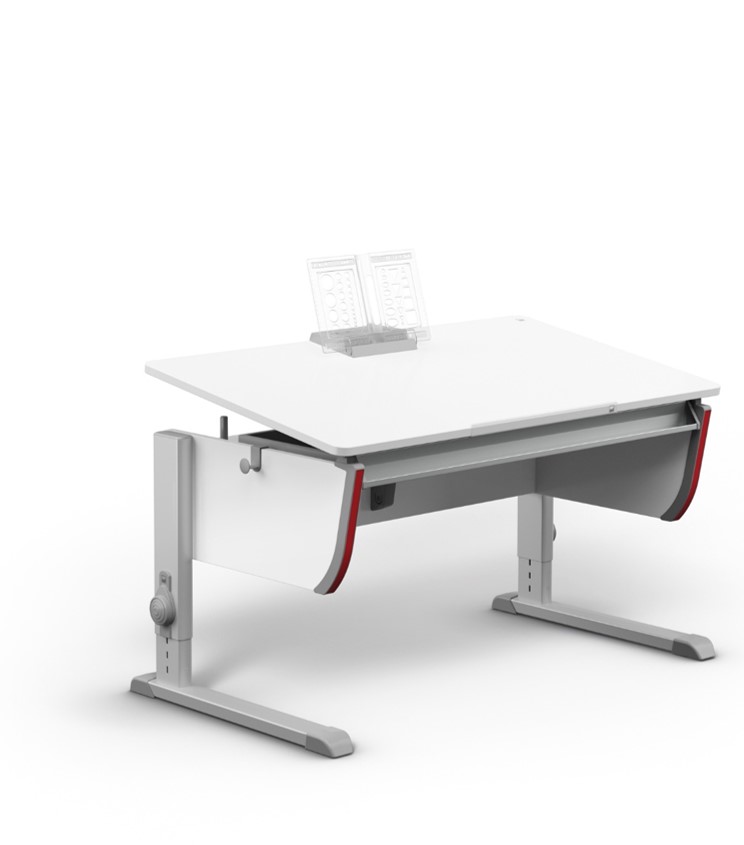
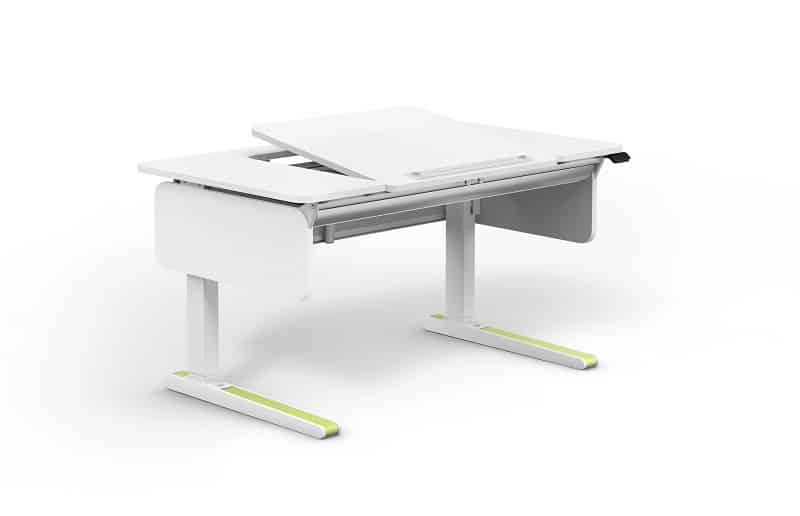
Doctors and psychologists recommend regularly changing your sitting position - sometimes upright, sometimes leaning back or bent forward - to avoid tension and headaches. Modern desks and chairs support this dynamic sitting, while rigid furniture is unhealthy. A desk top that can be tilted is essential to prevent back problems.
Height-adjustable children's desks grow with the child and are therefore particularly sustainable. They offer a healthy sitting posture and save costs in the long term. To avoid making the wrong purchase, it is advisable to find out about current tests and recommendations from independent test laboratories before buying.

Which children's desk is the best?
Independent product tests, such as those carried out by Stiftung Warentest, TÜV or Ökotest, put children's desks through their paces. They test functions, flexibility, harmful substances and stability.
Children's desks differ in terms of material, size and construction - it is therefore important to take a close look at which models are compared in the test. These comparisons offer good orientation, but cannot completely replace personal advice from a specialist retailer.
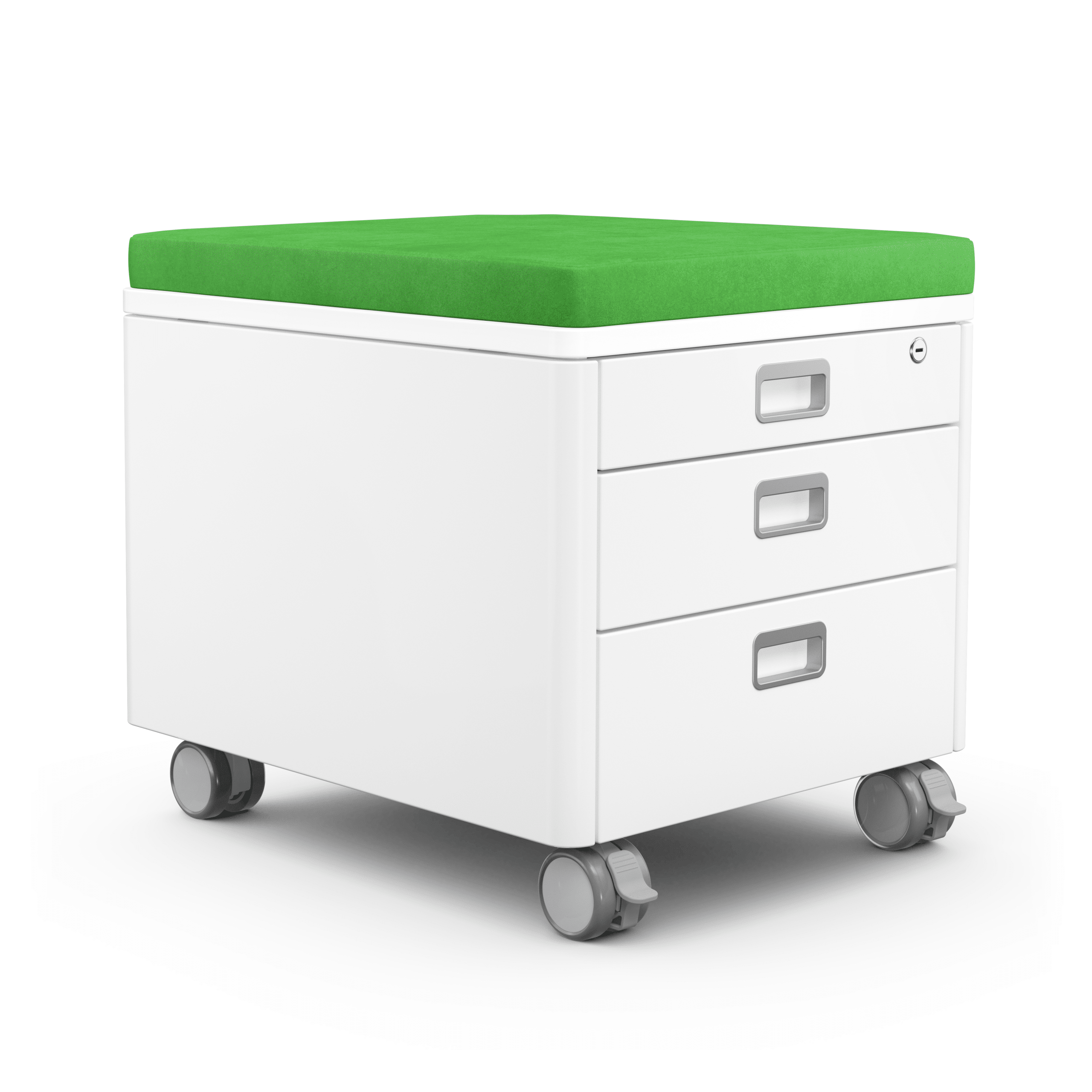
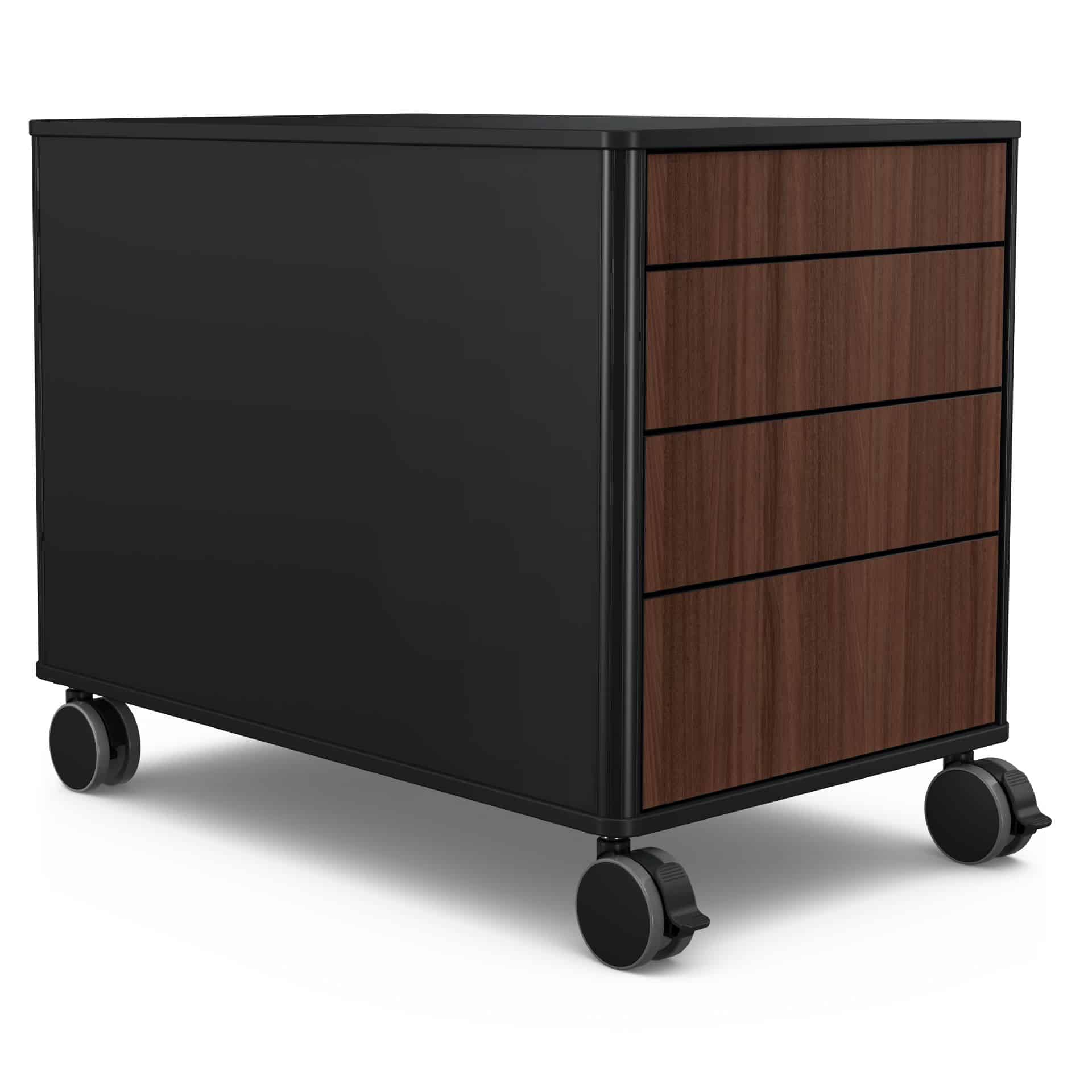
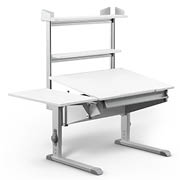
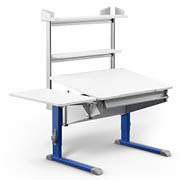
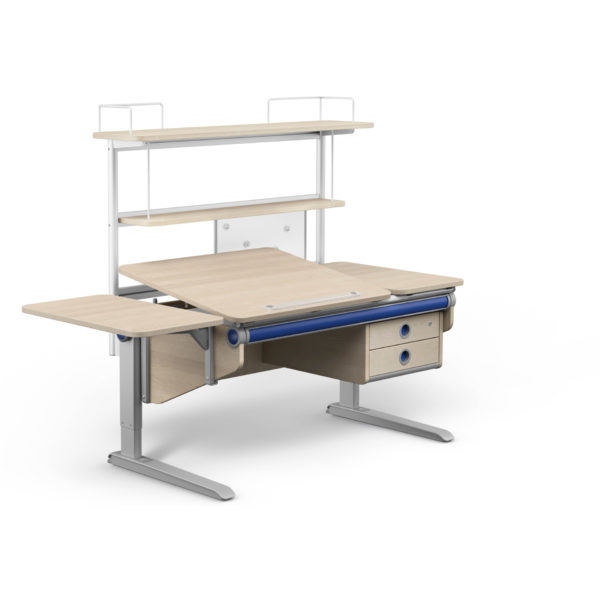
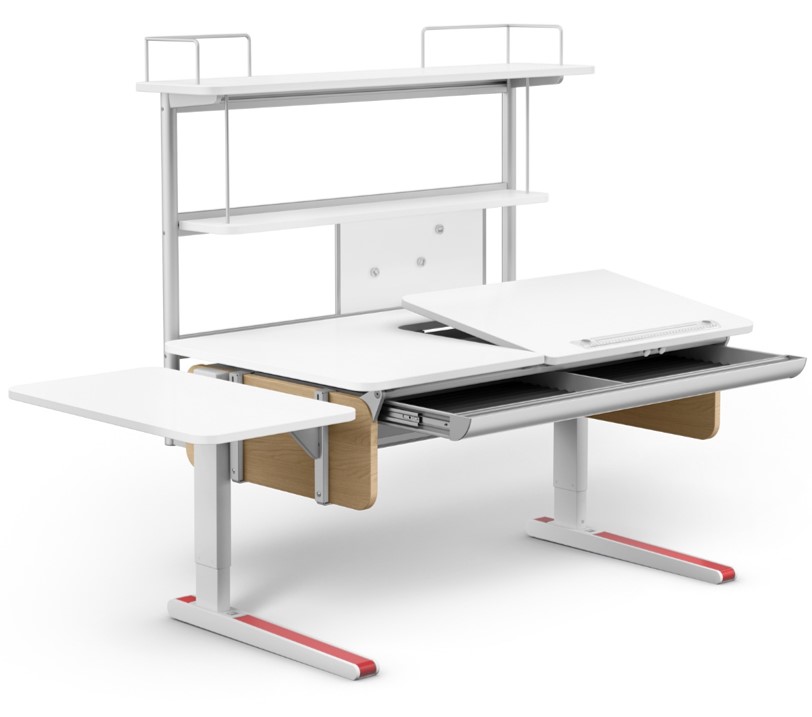
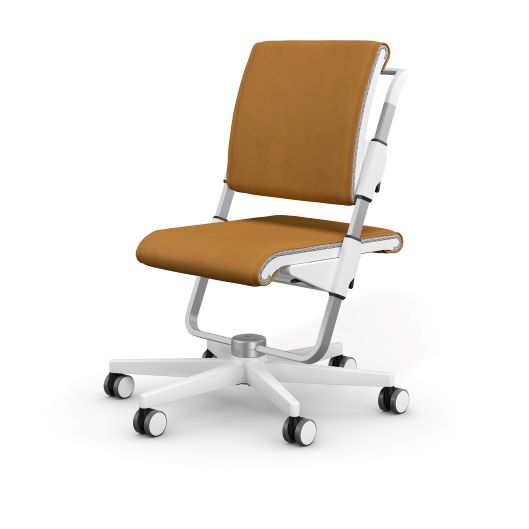
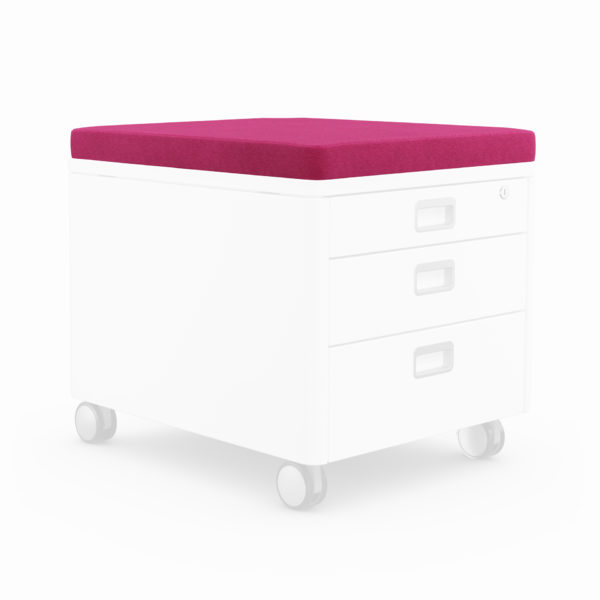
Height-adjustable desks are essential for schoolchildren. The adjustment should be finely graduated, as children often have to change their sitting height as they grow. Tiltable table tops are practical as long as they can be operated safely. Workmanship, durability and stability also count. Drawers, mobile pedestals and pull-outs create order and make the desk suitable for computers.
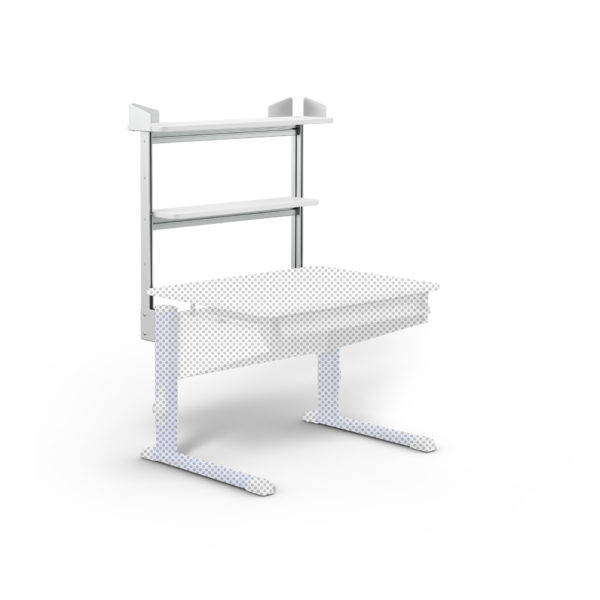
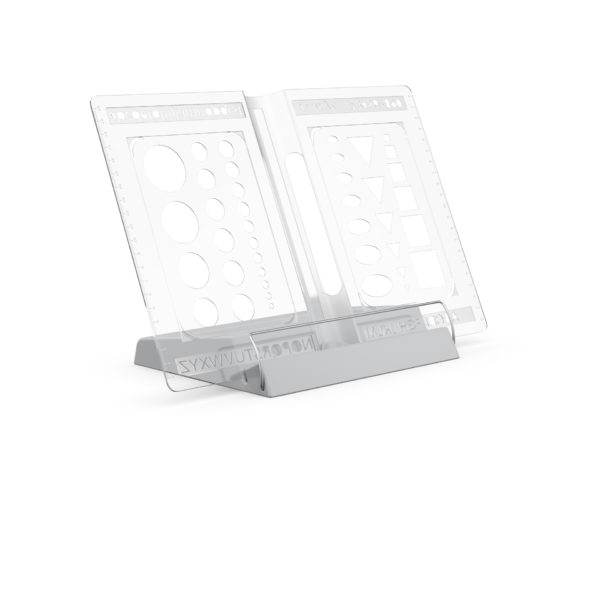
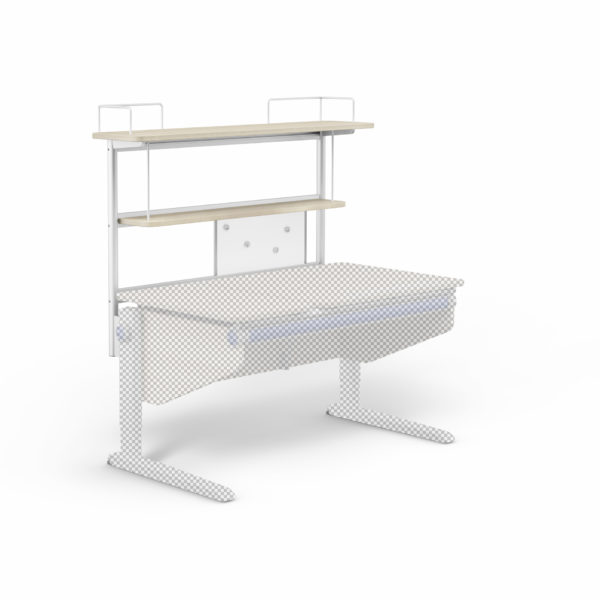
Expandability and extras such as bag hooks, bookends or anti-slip bars increase functionality. Stability is also crucial: Can the table top withstand heavy loads? Do the drawers run smoothly? A stable base, ideally with castors, makes it easier to move around.
A decisive factor when choosing a children's desk is the level of harmful substances in the material. In Germany, manufacturers must certify this by means of quality seals and test procedures. Harmful substances such as formaldehyde, which could be released into the room air, have no place here. Test marks such as the CE seal and the ISO standard are important. The GS seal ("tested safety"), which has been testing products for conformity to standards and technical safety since 1977, is particularly well known.
In the latest independent test conducted by Ökotest (2013 Yearbook for Toddlers), a children's desk from moll was named moll test winner. Back in 2006, the Winner received a score of 1.7 from Stiftung Warentest.
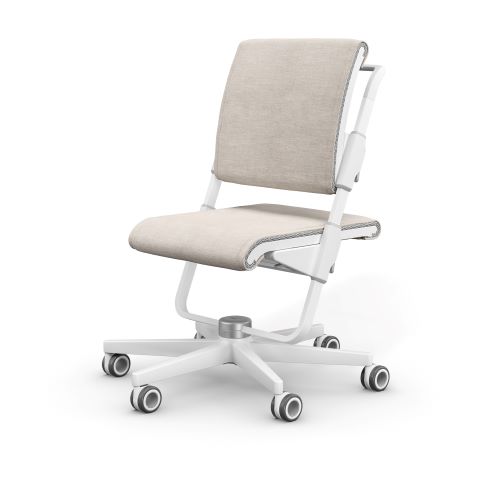
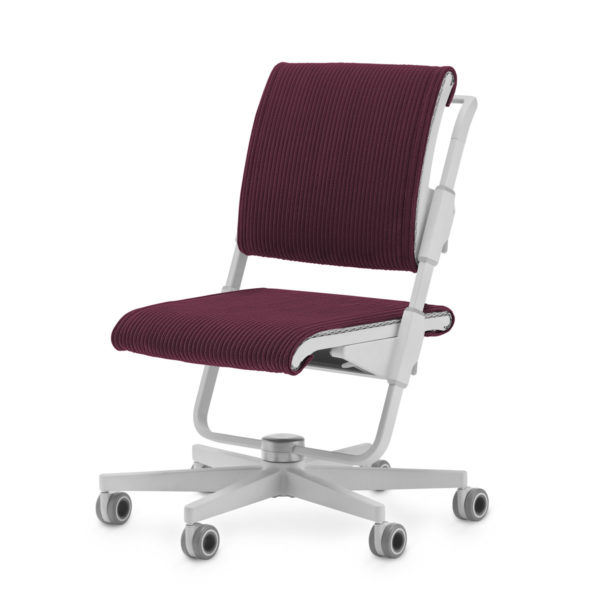
moll furniture moll the requirements of independent testing institutions such as TÜV Rheinland, Stiftung Warentest, and Ökotest. These include ergonomics, grow-with-me functionality, tiltable table tops, rounded edges, scratch-resistant surfaces, and criteria such as durability, safety, freedom from harmful substances, and ease of assembly. moll carry the GS mark and the Blue Angel label and come with long-term warranties and the option to purchase replacement accessories.