What is the right workplace in the children's room?

Starting school brings new challenges for children: Timetables, homework and grades structure everyday life and restrict freedom. This makes it all the more important for children to retain their curiosity, creativity and joy of discovery - because in a rapidly changing world, agility and the ability to constantly learn new things count. Instead of simply "instilling" knowledge in children, the aim should be to promote their natural learning instinct and encourage them to learn independently and actively.
A well-designed workplace can help with this. After all, learning doesn't just take place at school - the workplace at home is increasingly becoming a living space. An ergonomic environment is crucial for healthy learning, especially for sedentary work.
Various factors play a role in choosing the right workstation for children: the size of the room, storage space, lighting conditions - for example a place by the window - as well as the child's individual learning environment. A well-designed workstation provides the basis for concentrated work and supports a healthy learning attitude.

Where should first graders learn? Is the living/dining room suitable as a workplace?
Many primary school children do their homework at the kitchen or dining table - often inspired by their parents, who also work from home or do administrative tasks there. The desire to be close to their parents also plays a role. In addition, not all apartments or houses offer the option of a separate workplace.
A workstation in the living or dining area can work well if it is well thought out. It is important that the work surface offers sufficient space and that disruptive influences such as noise or distractions are minimized. A fixed structure and order help children to concentrate on their tasks, even in a shared space.
A workstation in the living room can work well if it is ergonomically designed. A height-adjustable children's desk and a suitable desk chair ensure healthy sitting. The coffee table or a kitchen chair are unsuitable and lead to back and concentration problems in the long term.
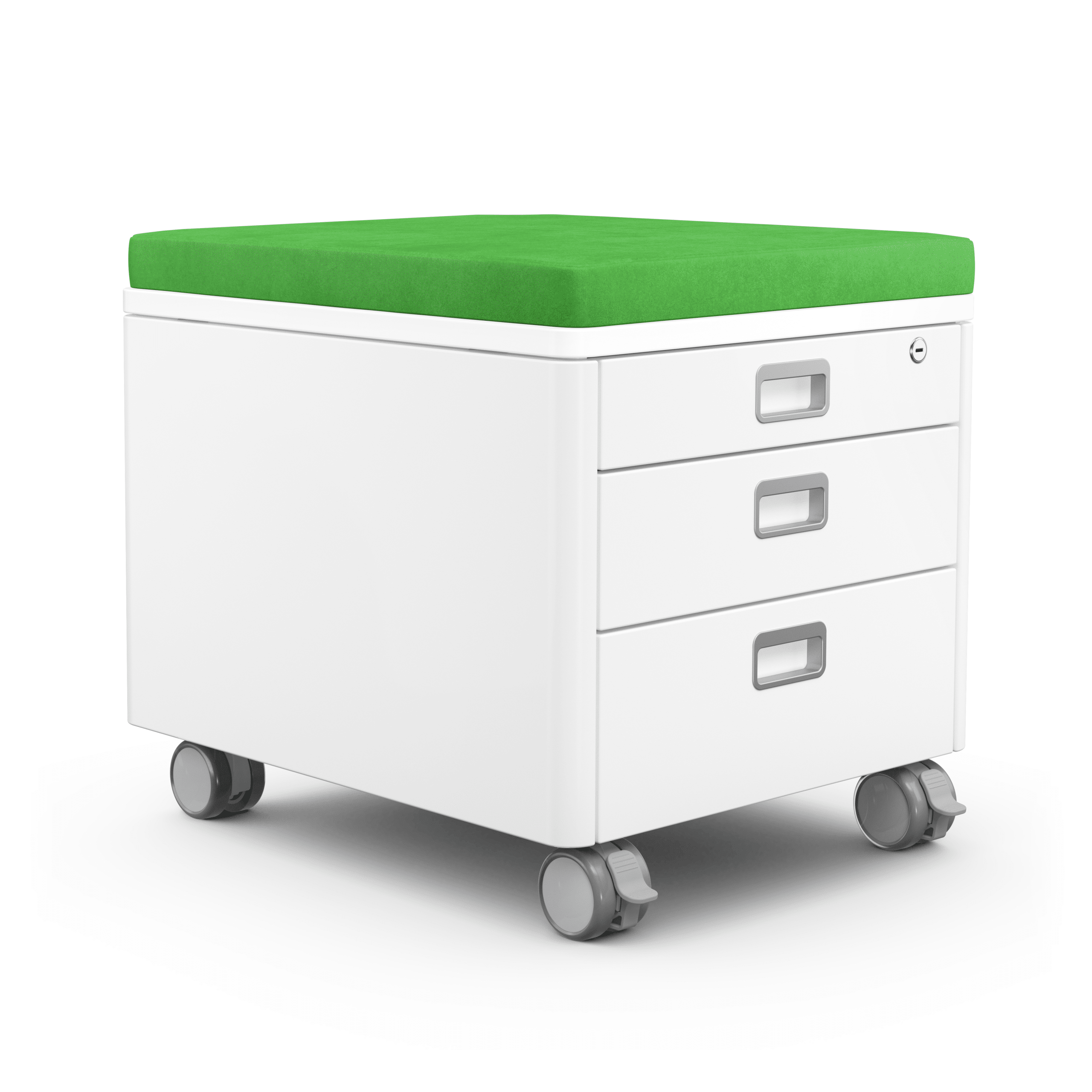
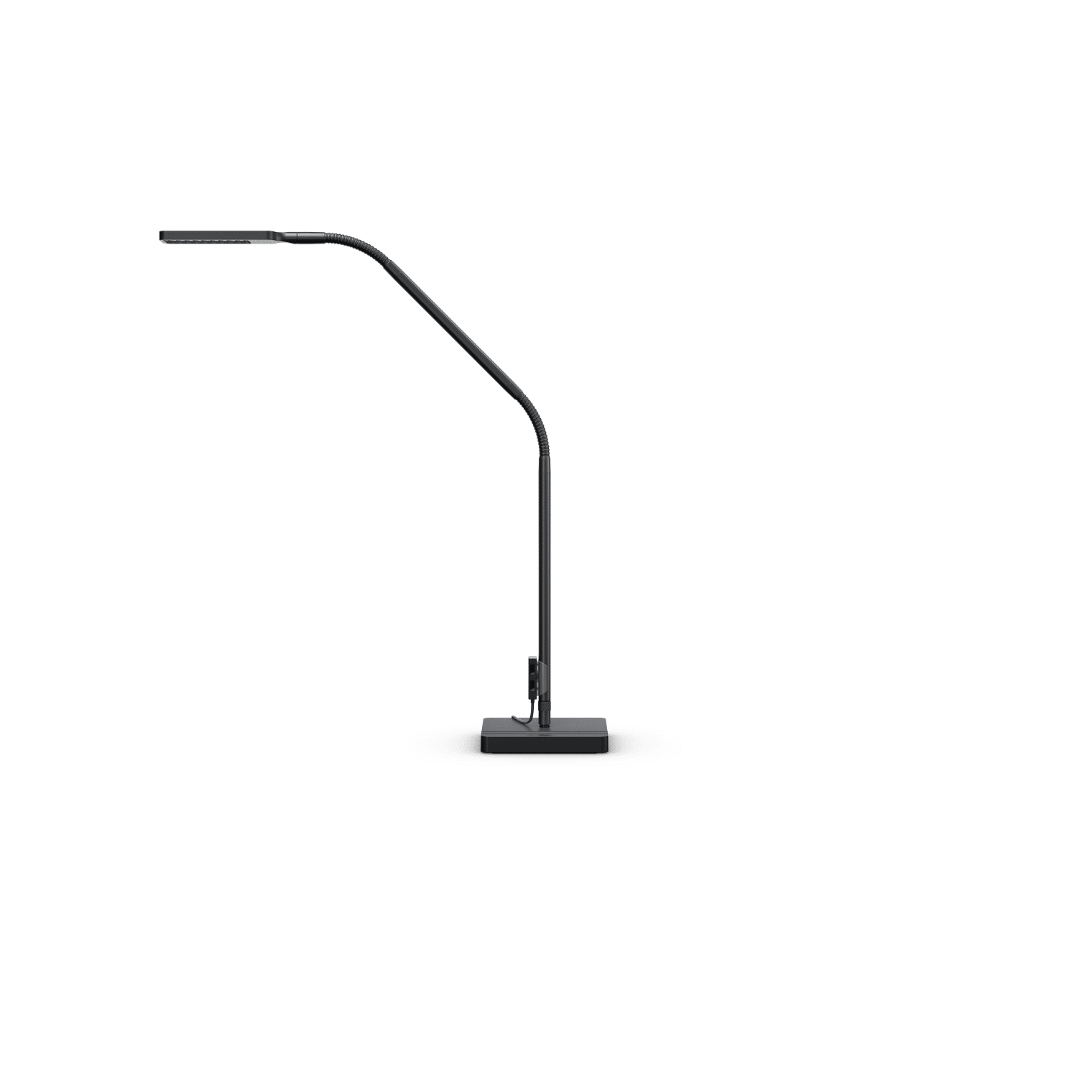
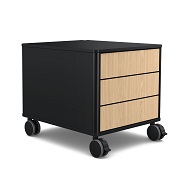
For good lighting, a place by the window or a daylight lamp is suitable, allowing you to work comfortably even on dark days. Shelves or mobile containers create order and keep materials to hand.
A well-designed learning space supports concentration and motivation - an important basis for academic success.
Your own children's desk as a workstation in the children's room
A desk in the children's room is usually the best choice for creating an optimal learning environment. However, not all children like to study in absolute silence - some feel more comfortable if the door is left open or there is soft music playing in the background.
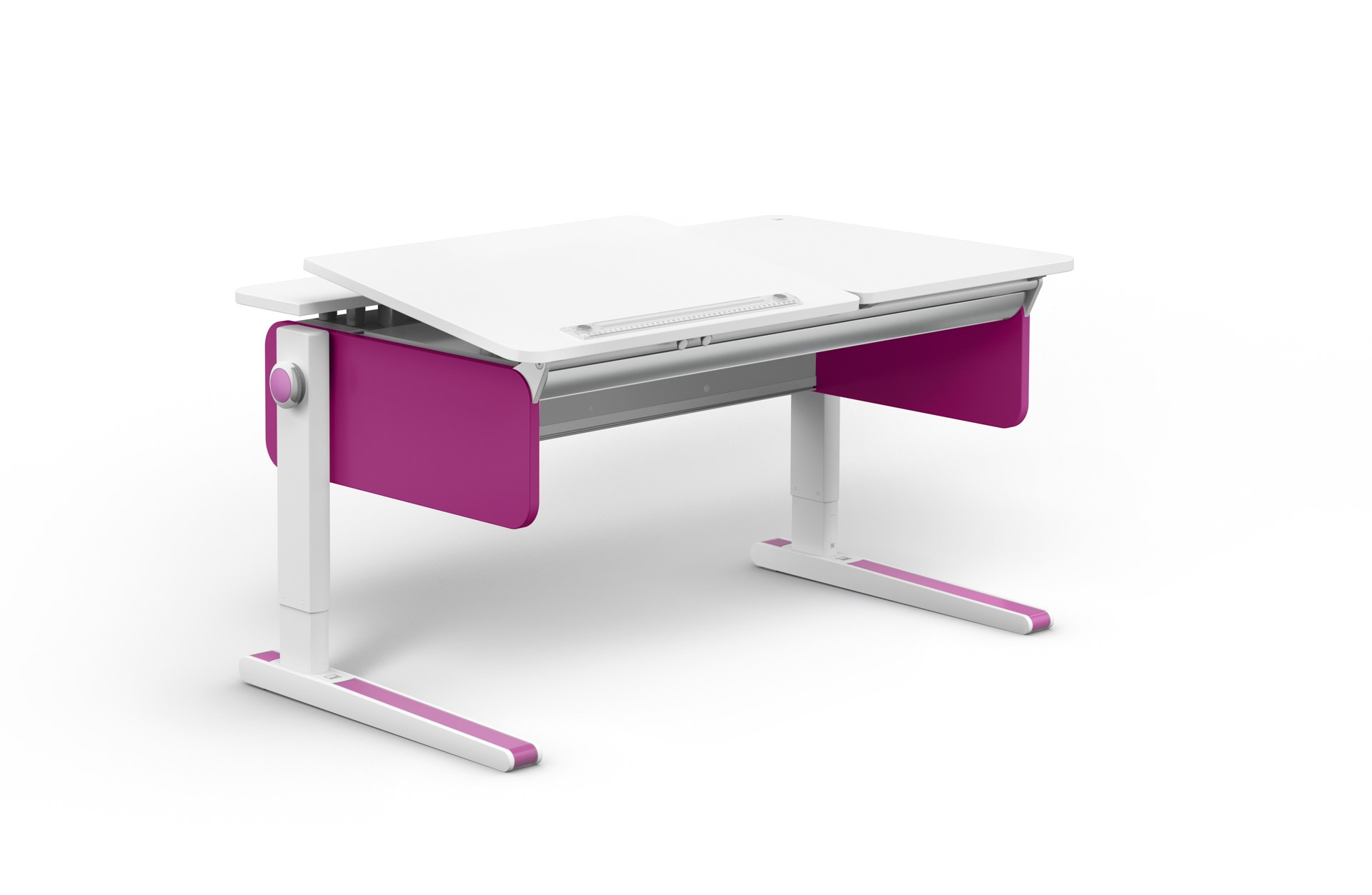
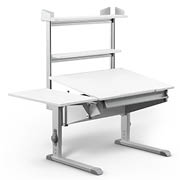
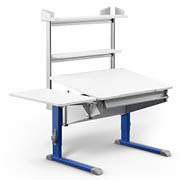
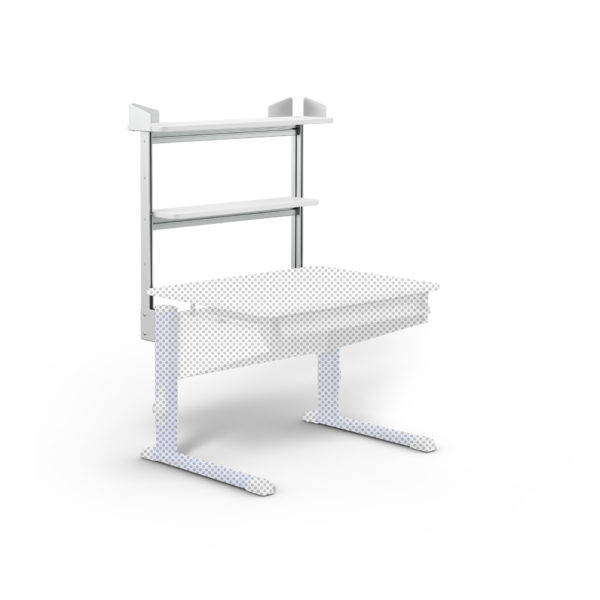
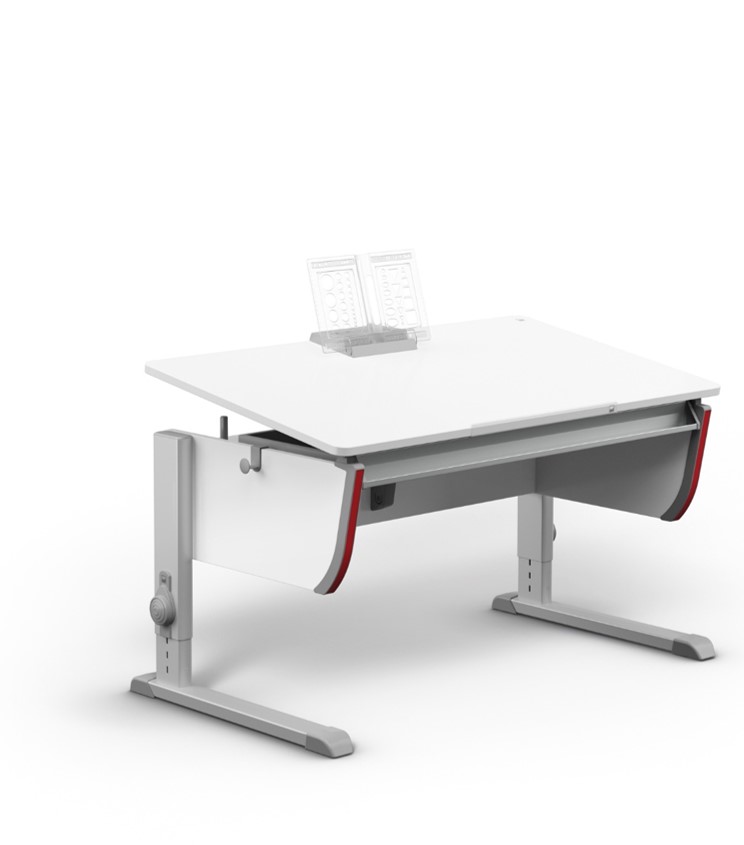
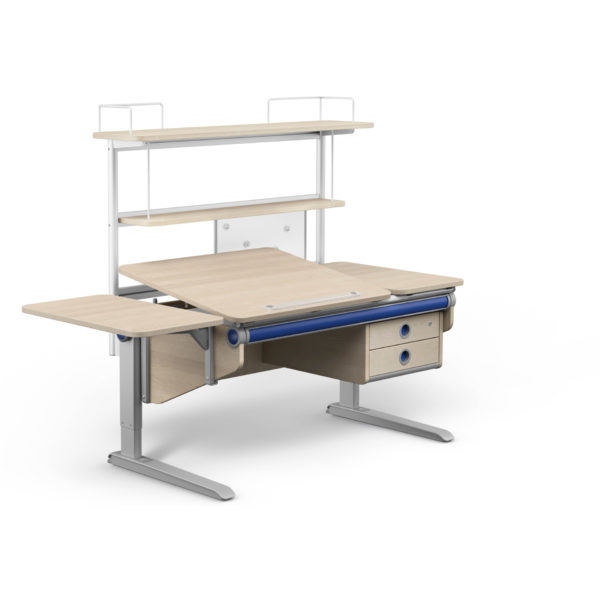
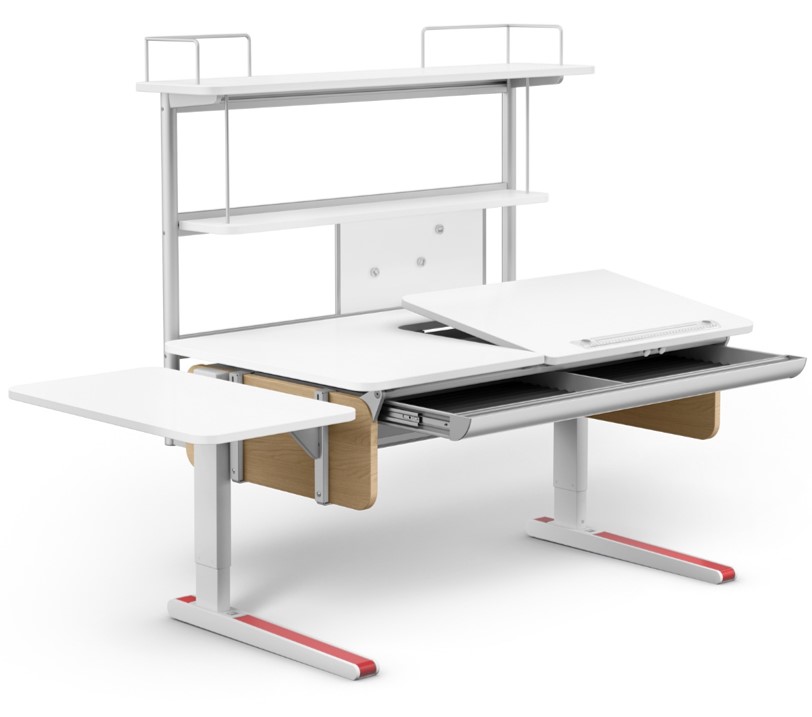
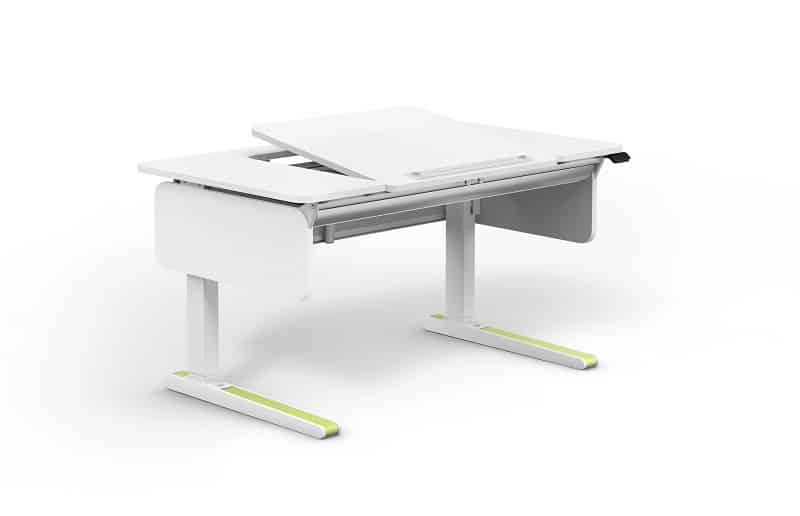
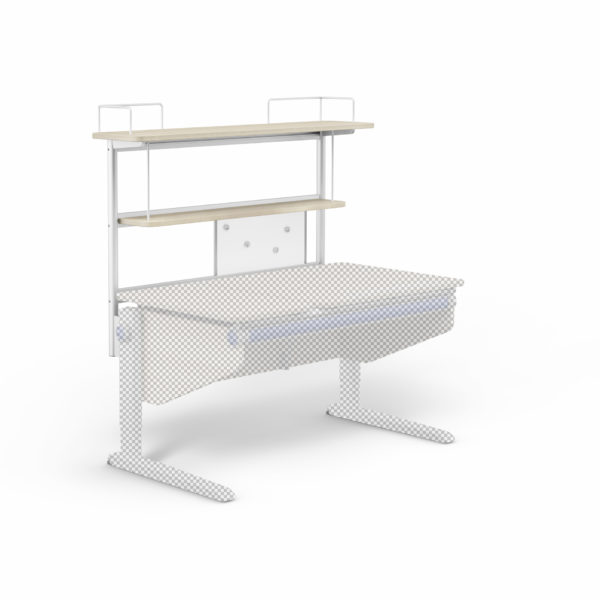
For small children's rooms, moll offers clever solutions. The moll Winner available in two sizes: 121 cm wide for generous work surfaces or as a compact version measuring 91 cm for smaller rooms. Thanks to modular extensions, the table can be customized to optimally support different ways of working. Ergonomic furniture such as desks that grow with the child and swivel chairs are indispensable, especially for children. They promote healthy learning and are sustainable because they can be used for a long time – ideal from the start of school!

What does the right desk look like?
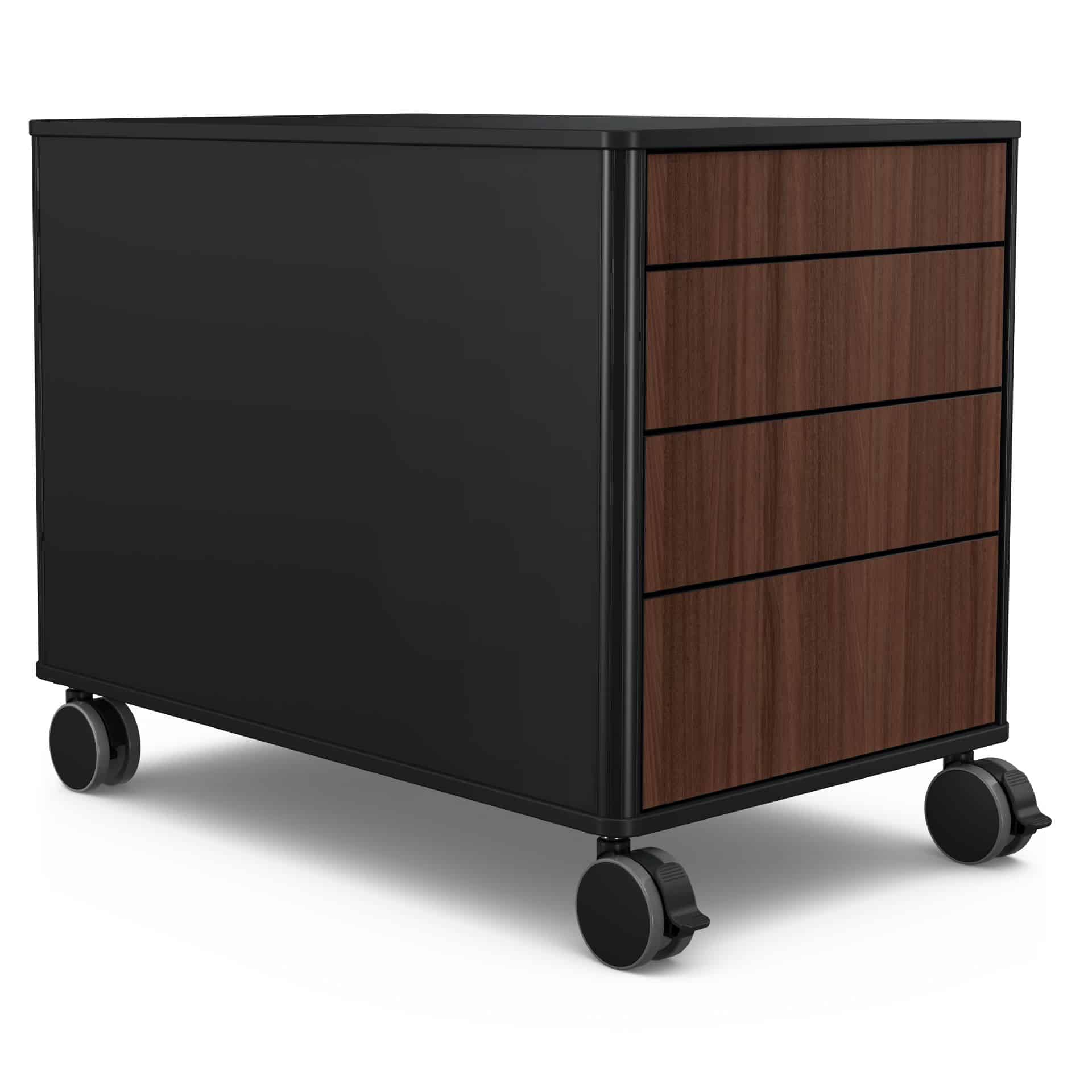
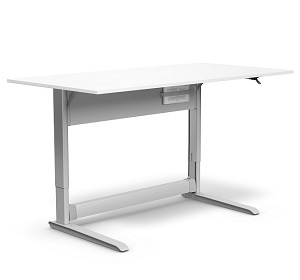
A children's desk should be at least 80 x 120 cm in size, height-adjustable and ideally tiltable - this makes reading easier. Drawers ensure order and easy access to pens and exercise books.
The furniture from moll meets high standards, tested by TÜV Rheinland, Stiftung Warentest, and Ökotest. It offers ergonomics, functions that grow with the child, rounded edges, and scratch-resistant surfaces. The moll Winner awarded a grade of 1.7 by Stiftung Warentest in 2006. In addition, moll offers moll warranties and accessories that can be purchased separately.

What does the right desk chair look like?
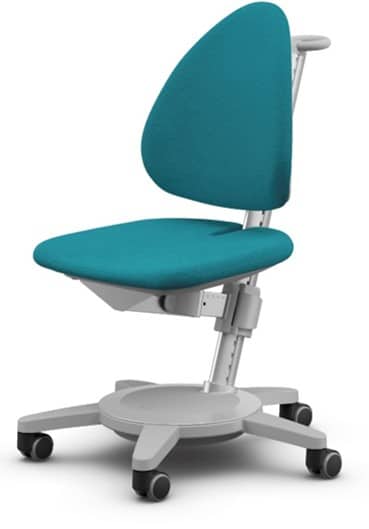
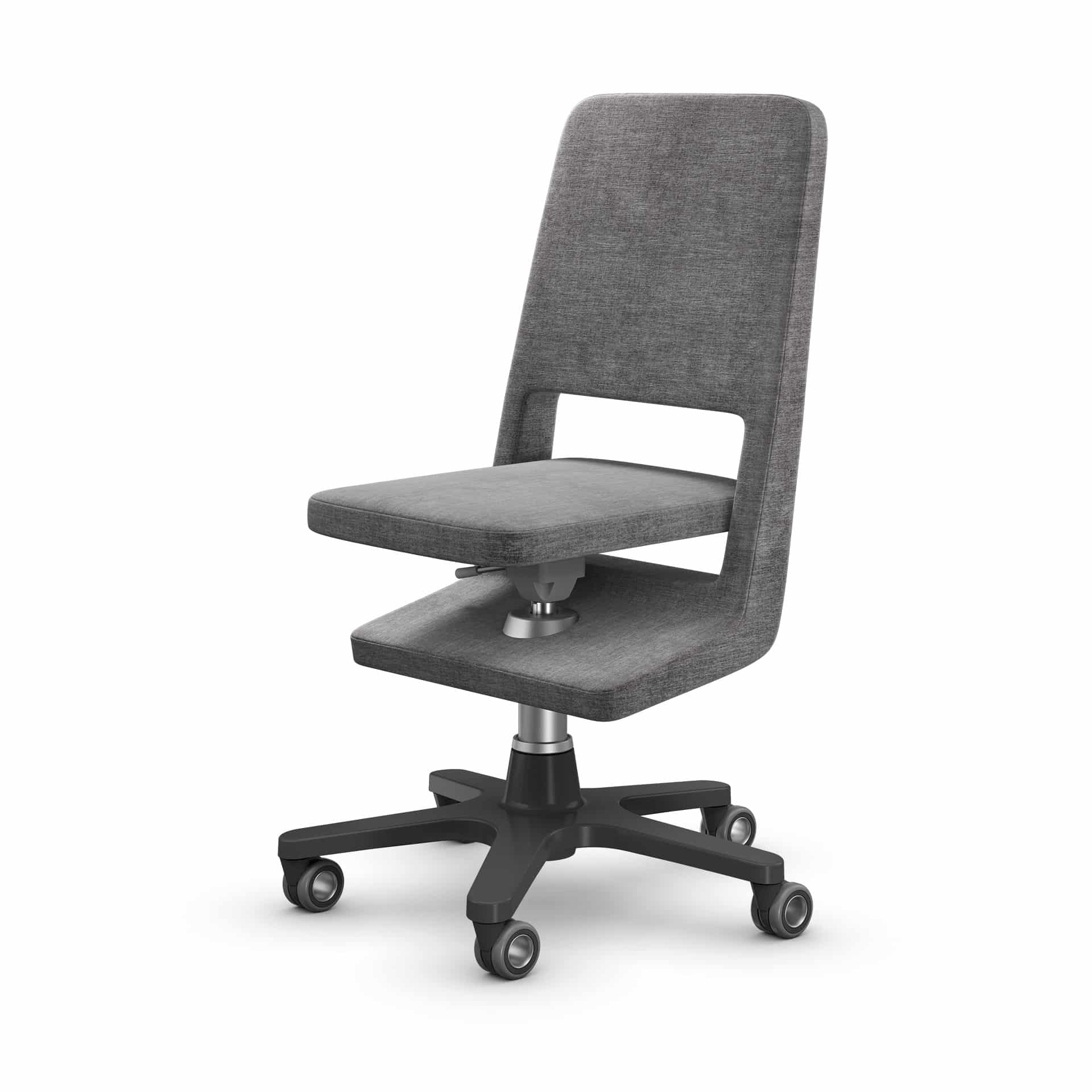
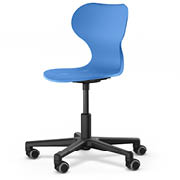
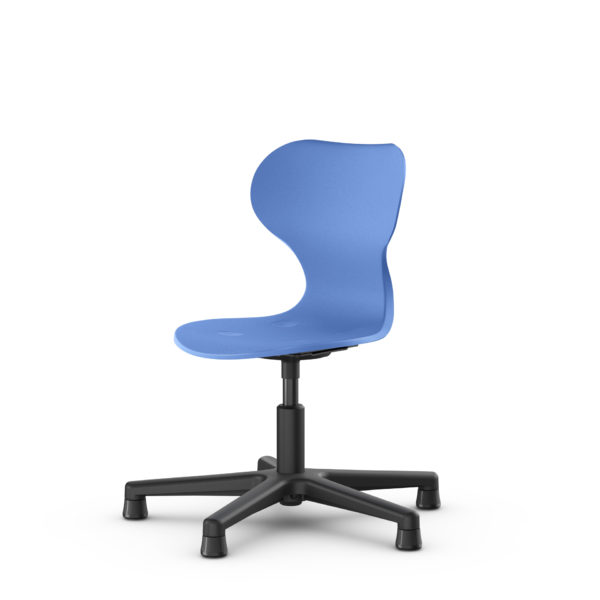
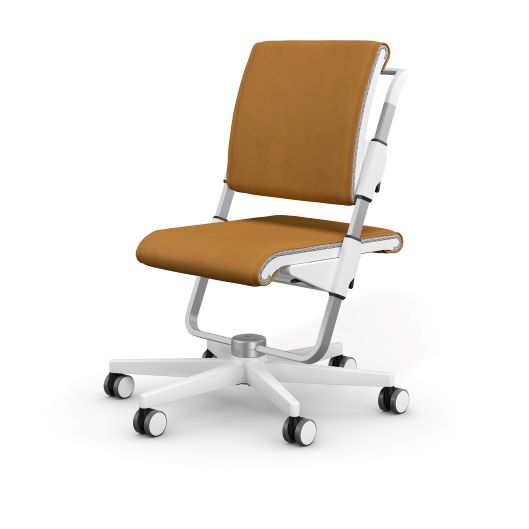
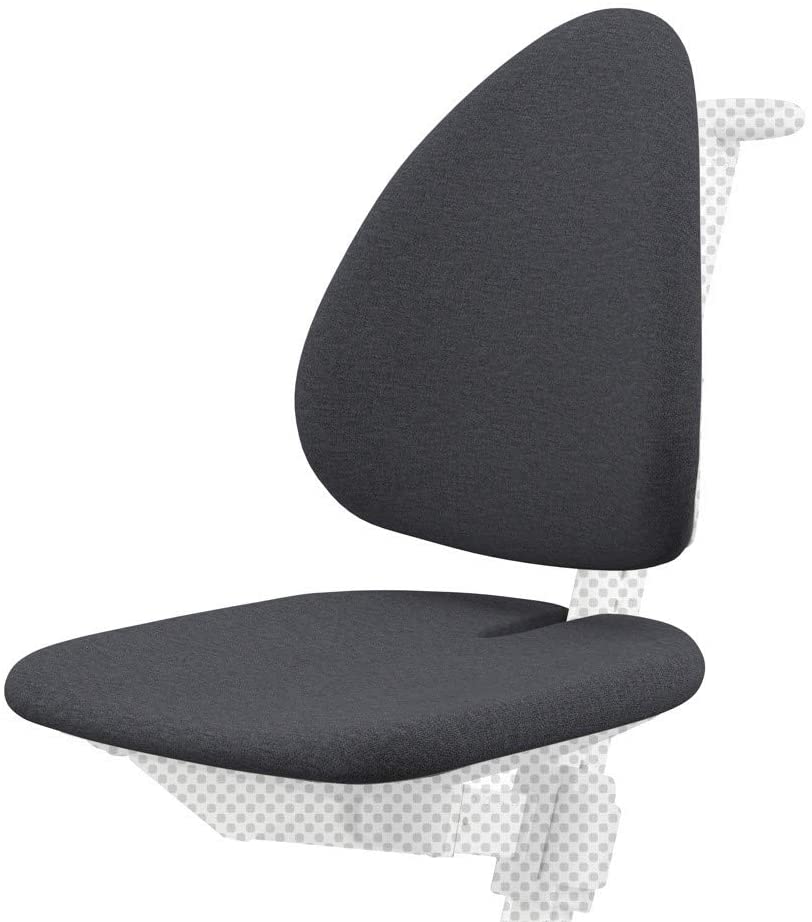
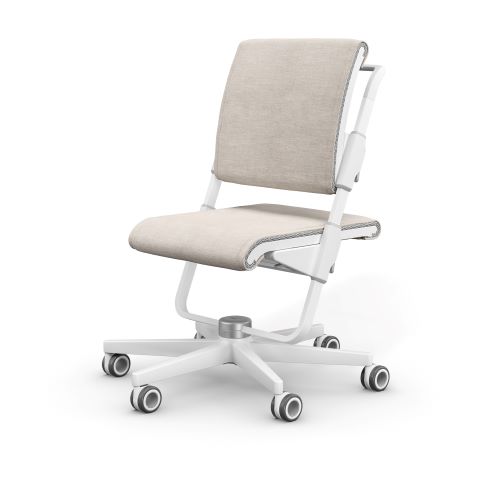
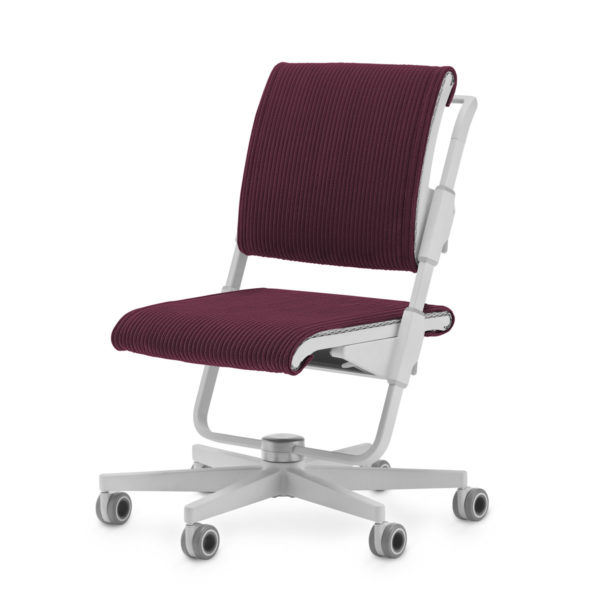
The chair should be adjustable to fit the first grader's body proportions, not only in height but also in seat depth. It should be tilt-proof and stable and have a pleasant cover to promote comfort and learning performance.
In 2015, Öko-Test awarded themoll 15a rating of "very good." It was the only chair in the test that achieved the best result in the practical test. Öko-Test recommends quality products that offer schoolchildren a healthy workplace thanks to good ergonomics and materials.
Order and motivation for better brain performance
Brain performance and emotions are closely linked: The more comfortable you feel, the better your brain functions. It therefore makes sense to design the pupil's workspace with motivating posters, pictures and green plants. Regular routines also make learning easier, for example by putting everything the child needs together at the beginning and tidying up again after learning. This maintains order. If you have to tidy up before learning, you waste energy unnecessarily. Here are some tips on how to make working at the desk easier:
Learning routines for kids
-
- The work surface of the children's desk is always kept clear!
- Anything that has nothing to do with learning is cleared away before learning!
- After studying, the desk is tidied up again.
- A pinboard helps with the planning of class work.
- Hanging up learning posters in the workplace supports learning.
- The workplace is important for success at school and should be treated with care.
- Regular ventilation of the workspace is good for learning.
- Sitting correctly on a swivel chair that grows with the child helps with learning.
- Tidiness at the workplace: everything has its fixed place.
- No radio or loud music while studying